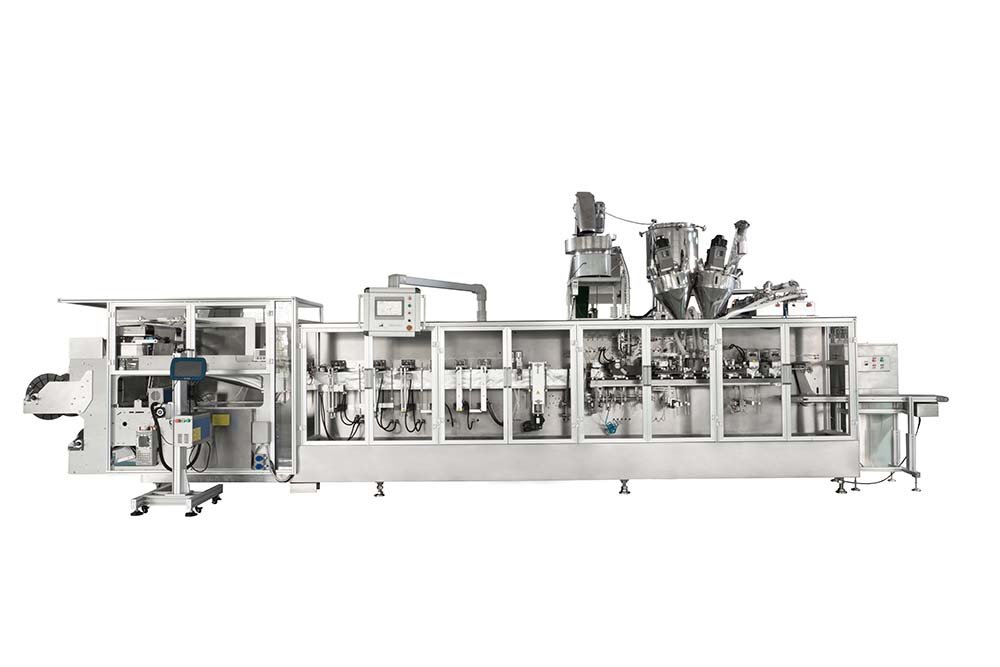
Roll-film doypacks
For doypacks formed, filled and sealed within one HFFS line. Review film, gusset, product settling and top-seal cleanliness together.
Packaging systems configured around your application Defined project scope

Configure dosing and pouch handling for granules and piece-based products. Compare roll-film sachets, stick packs, stand-up pouches and supplied premade bags, then match the system to product flow, target weight and finished-pack requirements.
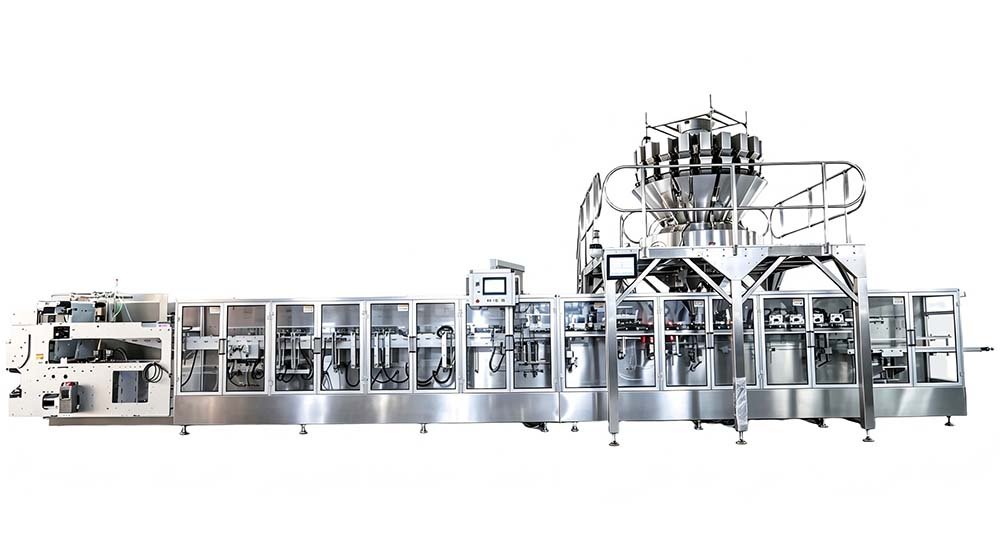
A granule packaging machine can form flat sachets, narrow stick packs or stand-up pouches from roll film, or fill supplied premade pouches. The package route and dosing method are separate decisions that must work as one timed process.
This page covers free-flowing and piece-based products in flexible packaging, including rice, beans, seeds, salt, sugar, candy, nuts, snacks and dry pet food. Individual bar wrapping, bottle filling, open-mouth sacks and bulk bagging are outside this page's scope. For whole kernels, coated pieces and nut mixtures, review the nuts packaging machine configuration before agreeing the product, pouch and acceptance scope.
For small seed packets formed from roll film, review small seed sachet packaging projects with the actual seed, dose basis, film and lot-change requirements.
Selection rule: define product behavior and the finished package first, choose the dosing principle second, then verify the complete system with representative product and packaging material.
Each route below serves a different purchasing requirement. Use the linked product family for model-specific details only after the application route is clear.
For doypacks formed, filled and sealed within one HFFS line. Review film, gusset, product settling and top-seal cleanliness together.
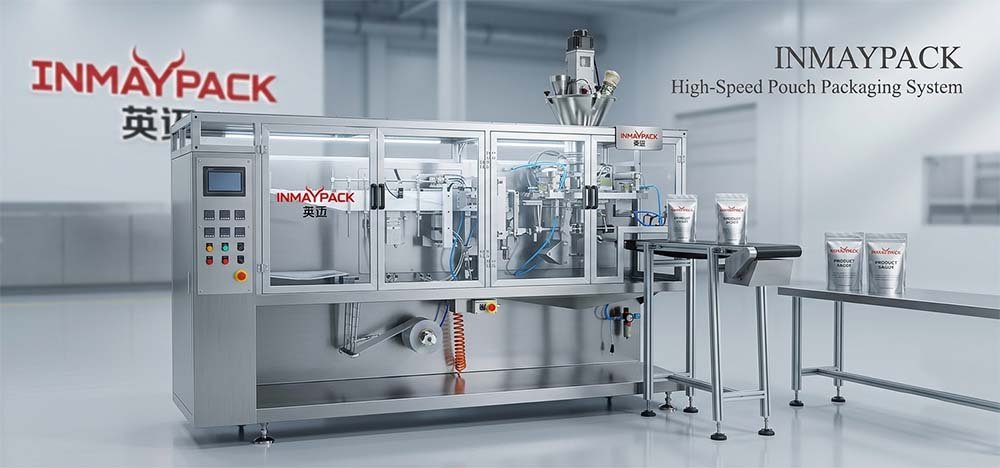
For small 3-side or 4-side seal portions formed from roll film with a project-matched dosing unit.
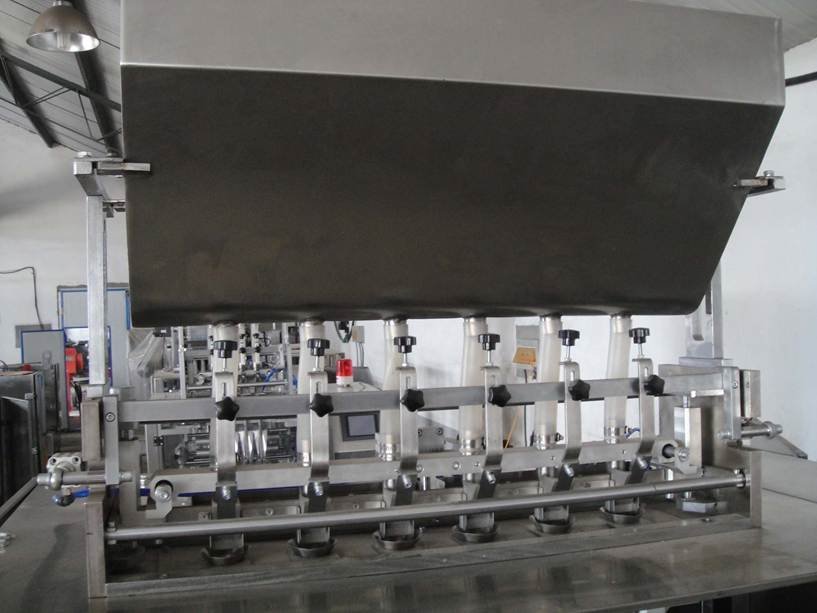
For small portions where lane count, web layout, cross-lane dosing and downstream collection define the project.
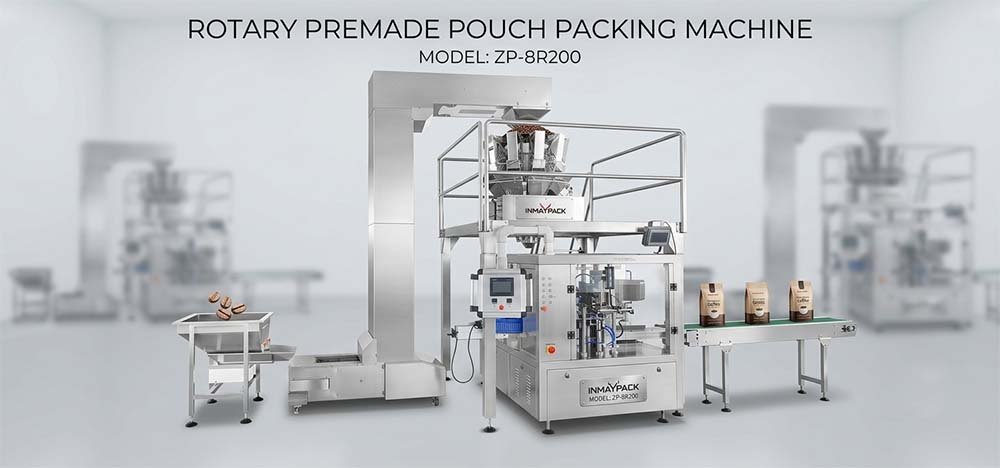
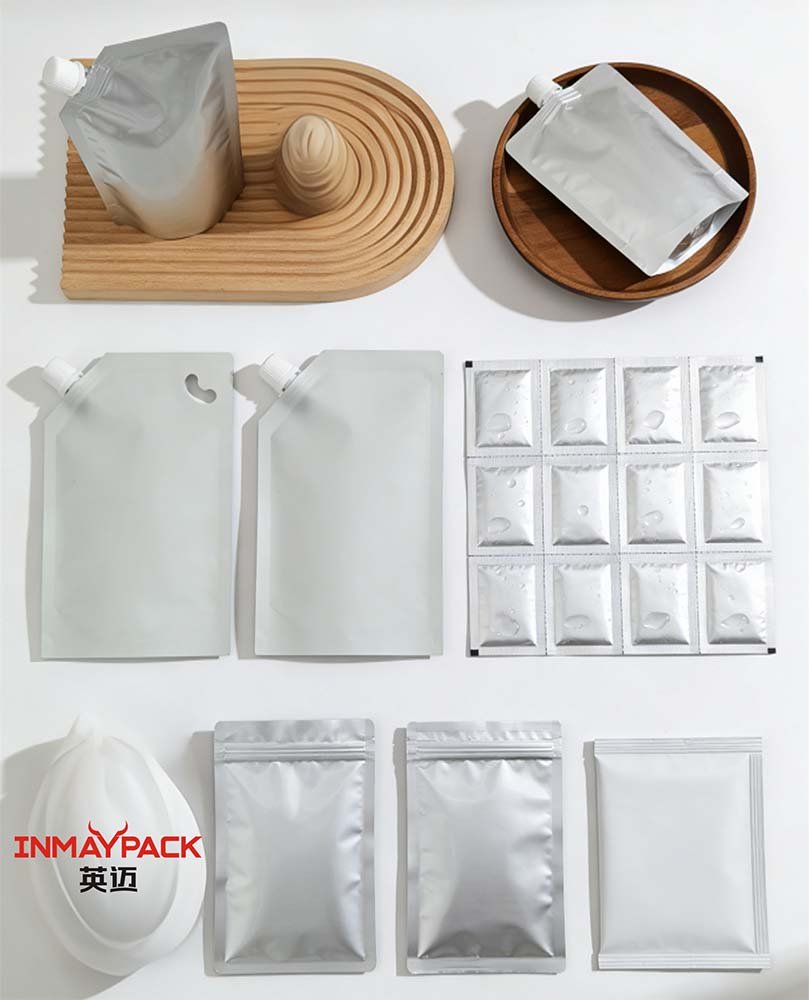
For supplied flat, stand-up or zipper pouches that need controlled pickup, opening, filling, sealing and discharge.
Metering performance depends on particle size distribution, flow stability, breakage, oil, stickiness and refill behavior. A representative trial should confirm both dose control and finished-pack quality.
| Dosing principle to evaluate | Useful starting condition | What the test must confirm |
|---|---|---|
| Volumetric cup dosing | Free-flowing product with sufficiently stable bulk density within the approved range. | Cup volume, refill consistency, product damage, cutoff, changeover and accepted pack weight. |
| Multihead weigher packing system | Piece-based or mixed products where controlled weight combinations guide the decision. | Product distribution, breakage, target weight, giveaway basis, discharge timing and filler-to-pouch handoff. |
| Linear weighing | Free-flowing dry products where a simpler weighing route may fit the project. | Feed stages, cutoff, target range, discharge timing, product condition and accepted output. |
| Application test before selection | Fragile, sticky, oily, dusty or irregular products, or a wide product range. | Representative samples, priority SKUs, cleaning, contact surfaces, package presentation and defect criteria. |
To compare volume-based dosing with combination weighing on the same product and finished-pack criteria, use the cup filler versus multihead weigher comparison.
Record bridging, surging, segregation and changes caused by hopper level or upstream feeding.
Check breakage, fines, oil, coatings and abrasion through feeding, dosing and discharge.
Define fill height, package presentation and the time allowed before sealing or closing.
List allergens, flavor carryover, access points, removable parts and release checks after changeover.
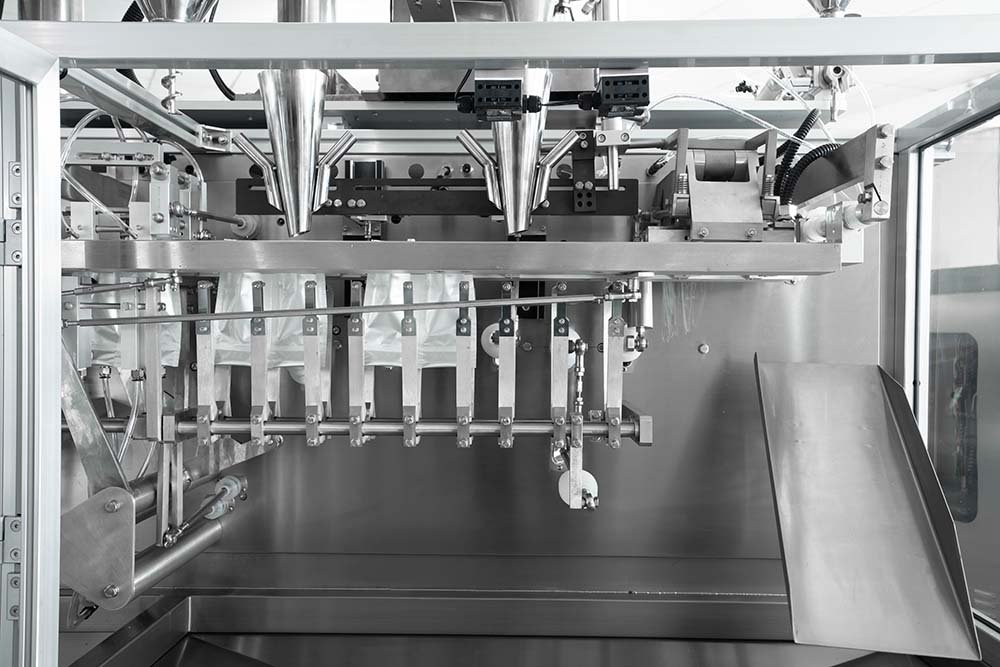
A weigher or volumetric cup can repeat correctly in isolation and still produce poor finished packs if discharge timing disturbs the pouch, breaks the product or leaves material in the seal area. Validate the complete handoff from product feed to sealed package.
Application names help define likely risks, but they do not replace a product sample, controlled pack drawing and acceptance test.
A rice packaging machine, beans packaging machine or seed packaging machine should be reviewed for flow stability, breakage, dust, target weight, pack size and sealing contamination.
For dry retail pulses, use the dry beans and pulses packaging requirements to define the product-size extremes, pouch opening, blend checks and variety changeover.
Confirm bulk-density variation, humidity sensitivity, abrasion, package barrier, dosing repeatability and cleaning requirements before selecting the route. For small granulated-sugar portions, use the sugar sachet packing machine application to compare flat sachets, narrow sticks and the agreed portion-weight test.
For retail salt bags and pouches, review the salt packaging machine configuration for dosing, moisture exposure, contact materials and the finished-bag acceptance scope.
For salt sticks and small sachets, review salt portion-pack selection and acceptance using the actual crystal grade, net-weight target, film and operating conditions. Keep lane-level dosing and finished-pack evidence separate.
A candy packaging machine or snack packaging machine may need weighing, gentle handling, oil control, mixed-piece distribution, zipper pouches or retail presentation checks.
Compare snack packaging machine systems
For hard candy and mixed assortments, compare candy pouch packaging systems by weight, count, product behavior and finished pack. For sticky, oil-coated, sugar-coated or fragile gummies, use the separate gummy filling and pouch packaging route.
Dry kibble, treats and freeze-dried products require product-specific review of piece size, oil, dust, fragility, dosing and finished-pack presentation. Use the pet food packaging machine selection guide to compare commercial systems, then follow the dog food packaging machine guide to define product damage, coating, dose, pouch and accepted-output evidence before fixing the model.
Frozen vegetables, fruit, dumplings, seafood pieces and mixed IQF products add product-condition, clumping, moisture, breakage and cold-chain handling requirements. Compare IQF frozen food packaging systems before selecting the weighing and pouch route.
The filler, primary package machine and surrounding equipment must be quoted against one controlled requirement. A lower machine price can reflect a different supply boundary rather than an equivalent solution.
Use the turnkey packaging solutions page when the project includes inspection, conveying or secondary packaging beyond the primary packer.
Record the product, package material, machine configuration, run condition, inspection method and defect rules before FAT. Compare suppliers on the same accepted-output basis.
| FAT record | Minimum evidence | Reason it matters |
|---|---|---|
| Controlled inputs | Representative product, packaging material, pack drawing, target weight and approved settings. | Results cannot be compared if the test inputs change. |
| Finished-pack checks | Weight method, seal or closure condition, code, cut, appearance, leakage or other agreed defects. | Filler repeatability alone does not prove acceptable packages. |
| Accepted output | Run duration, total packs, accepted packs, rejected packs, stops and calculation method. | This separates headline cycle rate from saleable production. |
| Change and recovery | Defined product or format change, cleaning, restart checks and recipe control. | Real production includes changeover and restart conditions. |
Send your product, target weight and finished-pouch requirements. INMAYPACK will review the dosing, package route and connected equipment for your quotation.
Compare the quoted dosing unit, pouch equipment, format parts, feeding, inspection, installation scope and trial materials line by line. Include the operating hours and planned SKU changes when discussing required output.
Volumetric dosing delivers a set volume, so changing bulk density can change pack weight. Compare representative product lots and hopper refill conditions. If weight variation exceeds the agreed tolerance, review weighing-based dosing and the product-feed arrangement.
Review drop heights, contact surfaces, feeder settings and the handoff into the pouch. Test the product through the complete route and agree how breakage is measured. A weighing result alone does not describe the condition of the packed product.
Compare each pouch drawing with the selected machine range, including opening, gripper position, zipper, gusset and sealing area. Define the format parts, adjustments and changeover checks in the quotation. A shared bag name does not make two formats interchangeable.
Total pack weight and ingredient ratio are separate requirements. Define the permitted composition variation and review separate feeding or weighing where needed. Check the retained samples for both net weight and mix distribution throughout refill and discharge.
Use conforming finished packs over an agreed run interval with the same product, pack and inspection rules. Record rejects, stops and refill conditions separately. Include scheduled product changes when converting a trial result into a shift-capacity requirement.
Request an itemized scope for dosing, feeding, pouch equipment, format parts, coding, inspection, discharge and utilities. Identify installation responsibilities, sample-trial requirements and the acceptance method. Compare the same supply boundary before comparing prices.
For a broader application decision across granules, powders, liquids, sauces and different pouch formats, use the food packaging machine selection guide before fixing the filling and package route.