Servo Control
Convert the application into a URS and FAT
Record motion, interlocks, recipes, alarm evidence and the accepted-output test before the control architecture is approved.
Build the full-servo URS and FAT scopePackaging systems configured around your application Defined project scope

The HMK420Q is a full-servo, four-station horizontal form-fill-seal system for roll-stock doypacks. A quoted reference configuration targets 160–200 bags/min; accepted output must be verified with the agreed product, dose, pouch, film and FAT method.
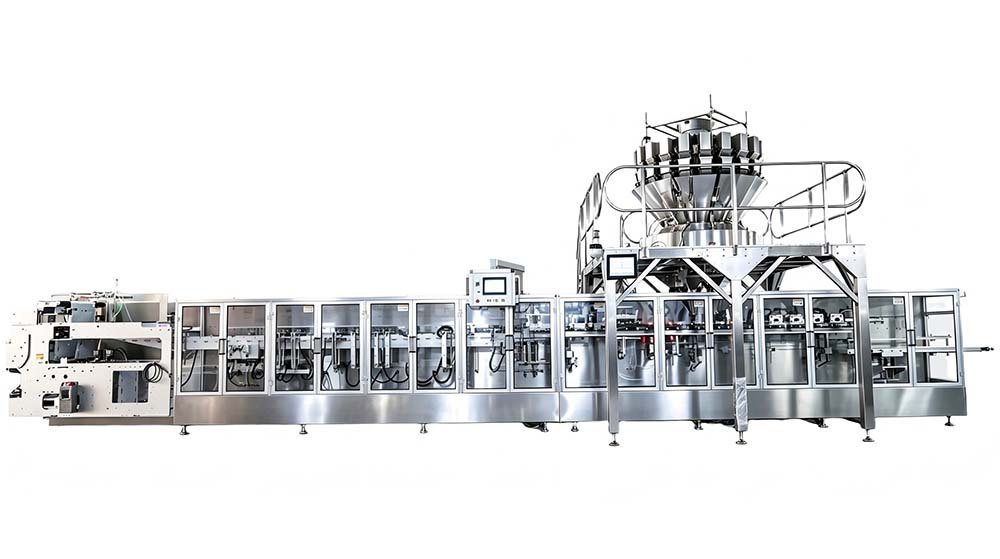
A high-speed doypack packing machine is an HFFS system that forms pouches from roll film, meters the product and seals the finished pack in one controlled sequence. The HMK420Q reference configuration uses four working stations and has a quoted speed range of 160–200 bags/min for the agreed application. Actual accepted output depends on product behaviour, dose, pouch geometry, film and downstream conditions.
INMAYPACK developed the HMK420Q as a four-station member of its roll-stock doypack machine range. Servo electronic-cam control coordinates forming, transport, filling and sealing. Recipe changes can adjust controlled values at the HMI, while tooling, filler parts, cleaning and first-off approval remain part of a real format change.
The source proposal covers a bottle-shaped doypack application for tomato paste or purée. Other pouch contours, closures and products require a controlled drawing, confirmed filling system, film trial and project-specific acceptance plan.
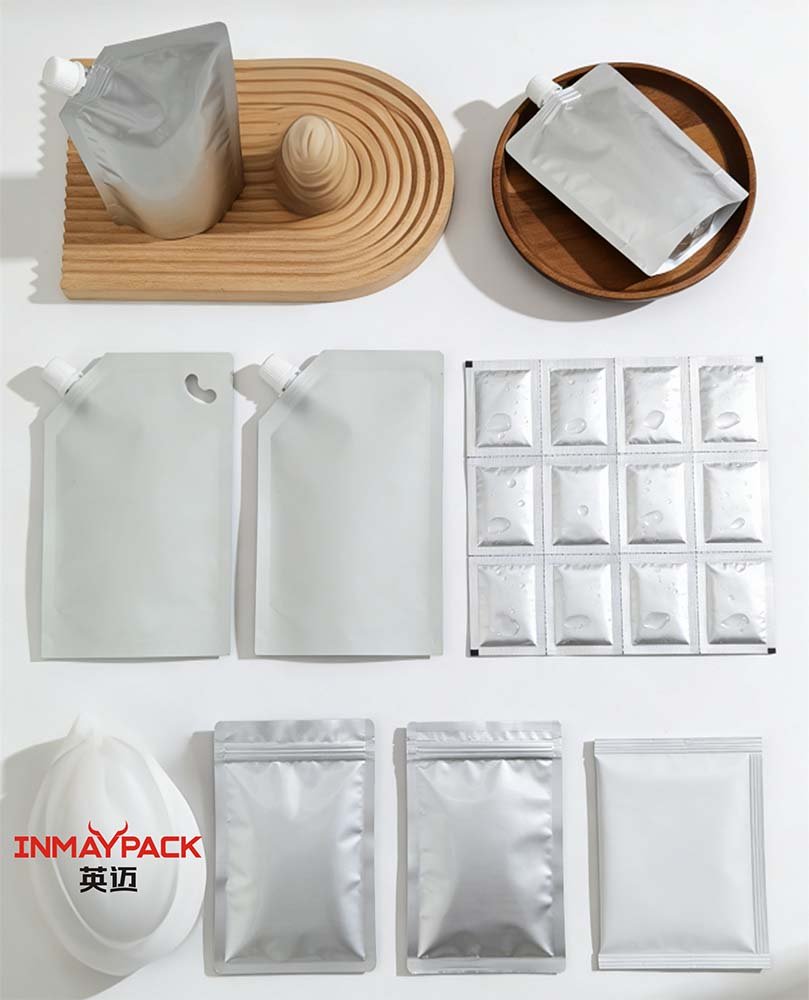
These subsystems must be validated as one process. Rated speed alone does not prove filling accuracy, seal integrity or saleable output.
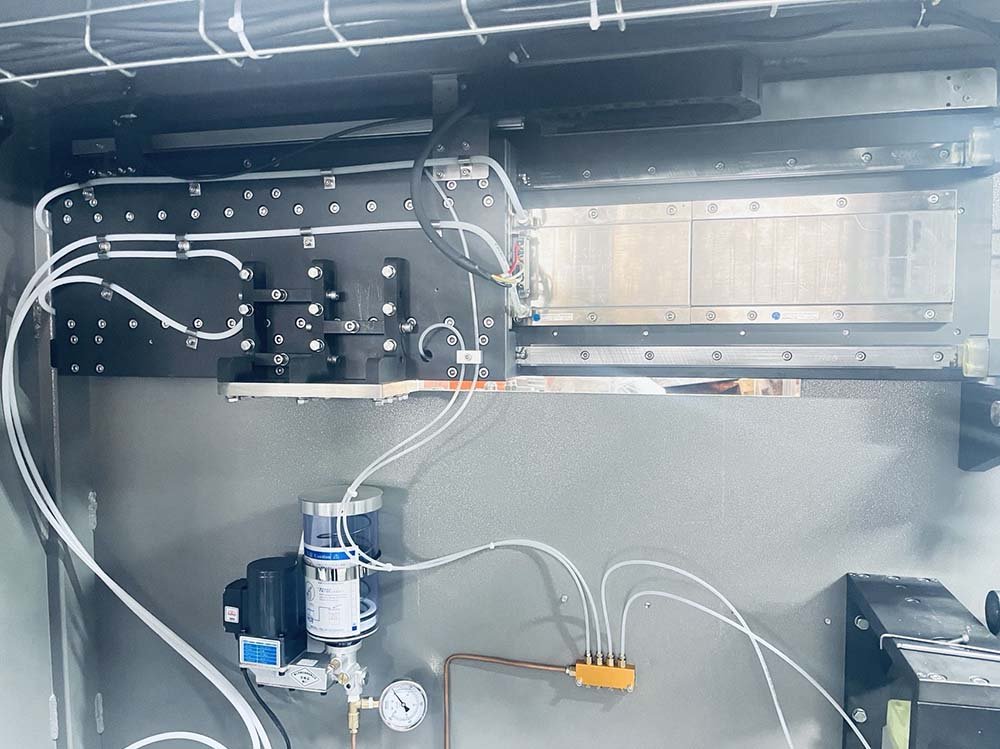
Coordinated transport reduces dependence on conventional cam-splitter and screw-drive architectures. Positioning repeatability is verified during the agreed production trial.
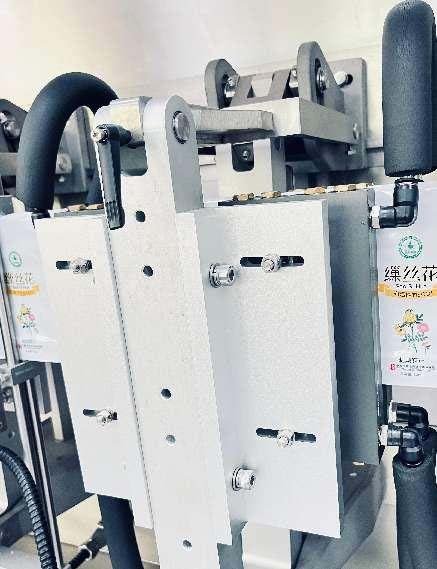
The quoted sauce configuration uses four servo micro-rotor pump fillers and a 100 L jacketed tank. Different products require a separately confirmed dosing arrangement.
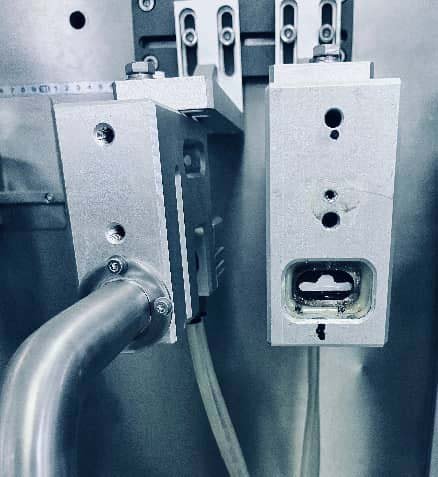
Vacuum and mechanical opening are monitored before filling. The interlock is intended to reduce avoidable product loss and seal-area contamination.
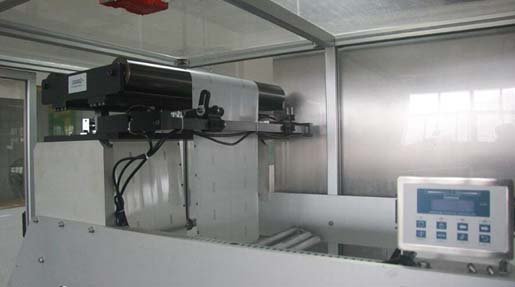
Sealing and cooling stations must be qualified with the intended laminate, sealant, contamination condition and accepted test method.
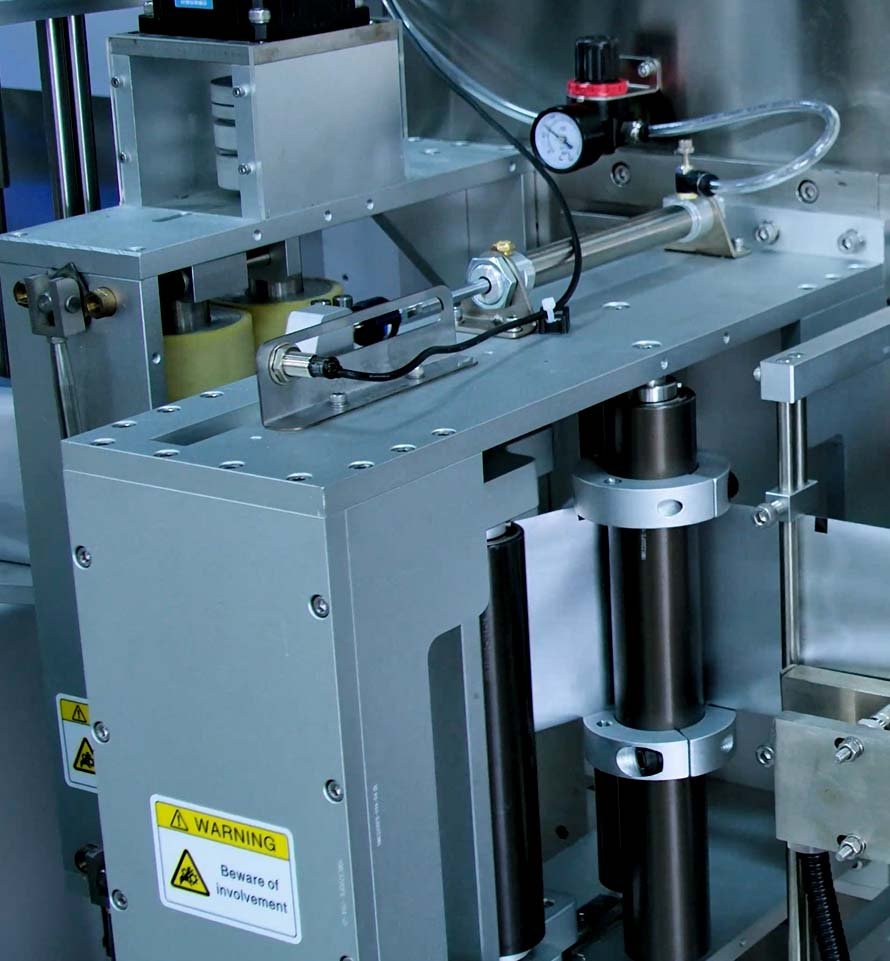
Film pulling, break detection and correction support print-registration control within the validated roll, artwork, setup and speed window.
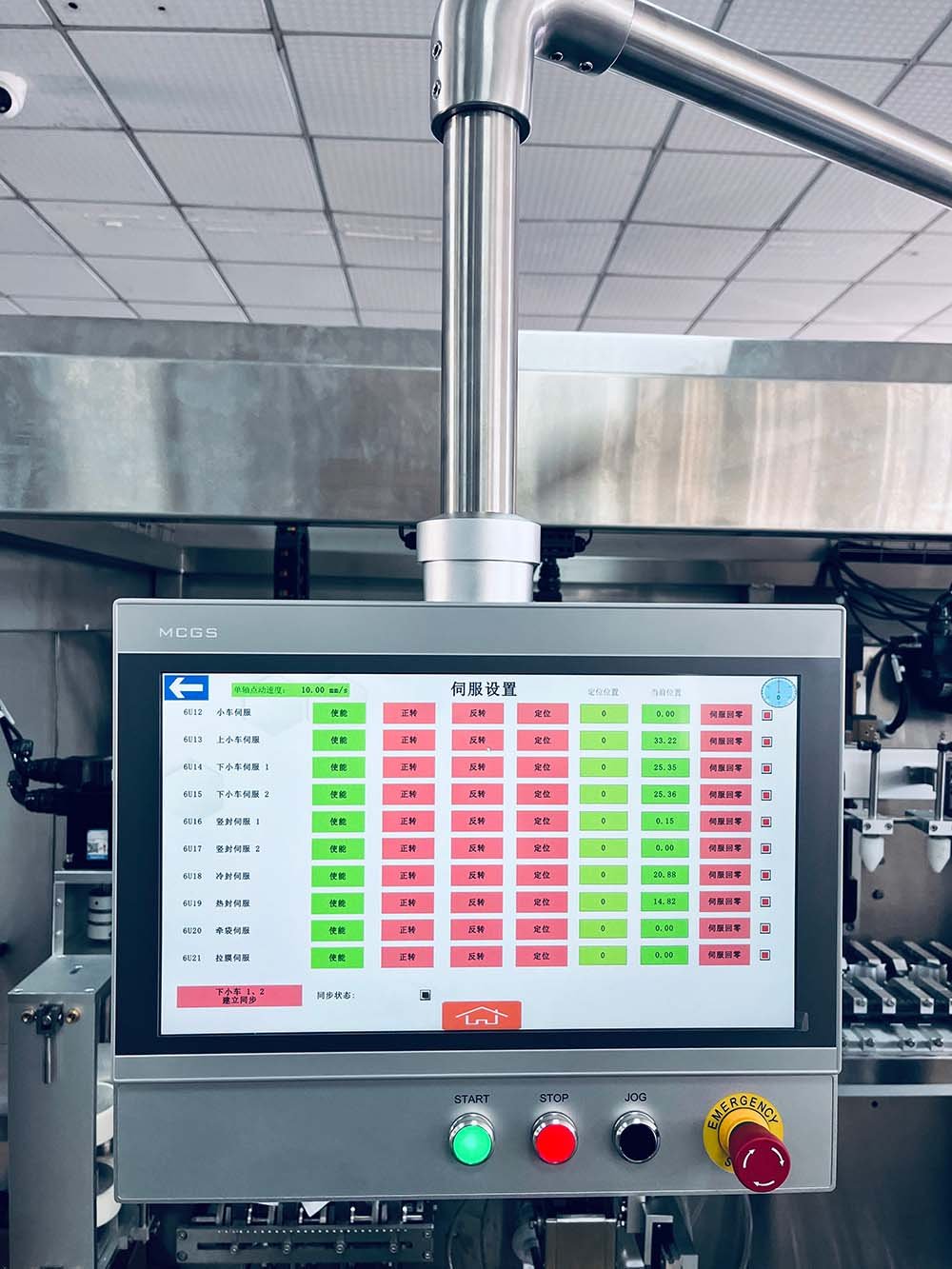
The HMI manages controlled motion and format parameters. Optional zipper, spout or punching stations are included only when stated in the approved project scope.
| Model | HMK420Q full-servo quadruplex |
|---|---|
| Machine type | Horizontal form fill seal (HFFS), intermittent motion, roll film fed |
| Reference packing speed | 160–200 bags/min; accepted output is application- and FAT-dependent |
| Pouch size range | 80×120×20 mm — 105×210×35 mm (doypack, 4-up) |
| Reference maximum volume | 200 ml per pouch |
| Confirmed source application | Bottle-shaped doypack / flat bag for tomato paste or purée, 120 g or less |
| Filling stations | 4 working stations; quoted application uses servo micro-rotor pumps |
| Material schedule | Confirm frame and product-contact materials in the final project BOM; the source quotation contains conflicting SUS304 and SS316L references |
| Reference machine size / weight | 10900 × 1300 × 2000 mm / 9000 kg |
| Reference utilities | 45 kW; 200–415 V, 50–60 Hz; 300 L/min compressed air at 0.6 MPa |
| Configuration boundary | Pouch contour, filler, closures, coding, protection and compliance scope are confirmed per project |
| Component | Brand | Origin |
|---|---|---|
| PLC | KEYENCE | Japan |
| Vacuum pump system | SCHMITZ | Germany |
| Pneumatics | FESTO / AIRTAC | Germany / China |
| Sensors (proximity / photoelectric) | SICK / LEUZE | Germany |
| Servo linear motor | INOVANCE | China |
| Transmission guides / bearings | NADLA | Germany |
Use product behaviour, dose, pouch geometry, filling time and seal-area cleanliness to qualify the application before selecting the final configuration.
Tomato paste or purée in a bottle-shaped doypack, with a reference dose of 120 g or less.
Confirm viscosity, particulates, temperature, nozzle motion, settling time and clean-seal requirements with samples.
Filler type, tank design, cleaning method and splash control must be specified for the actual product.
A different dosing system and dust or product-settling study are required; the quoted sauce configuration does not prove these applications.
Confirm roll-film drawing, gusset geometry, filling access, seal width and accepted finished-pouch tests.
Review the controlled contour, die-cut tooling, web tracking and opening access before approving the layout.
Treat each closure as a project option requiring dedicated tooling, process time and FAT evidence.
Do not assume compatibility from a product name alone. Approve the route only after sample testing and a written configuration review.

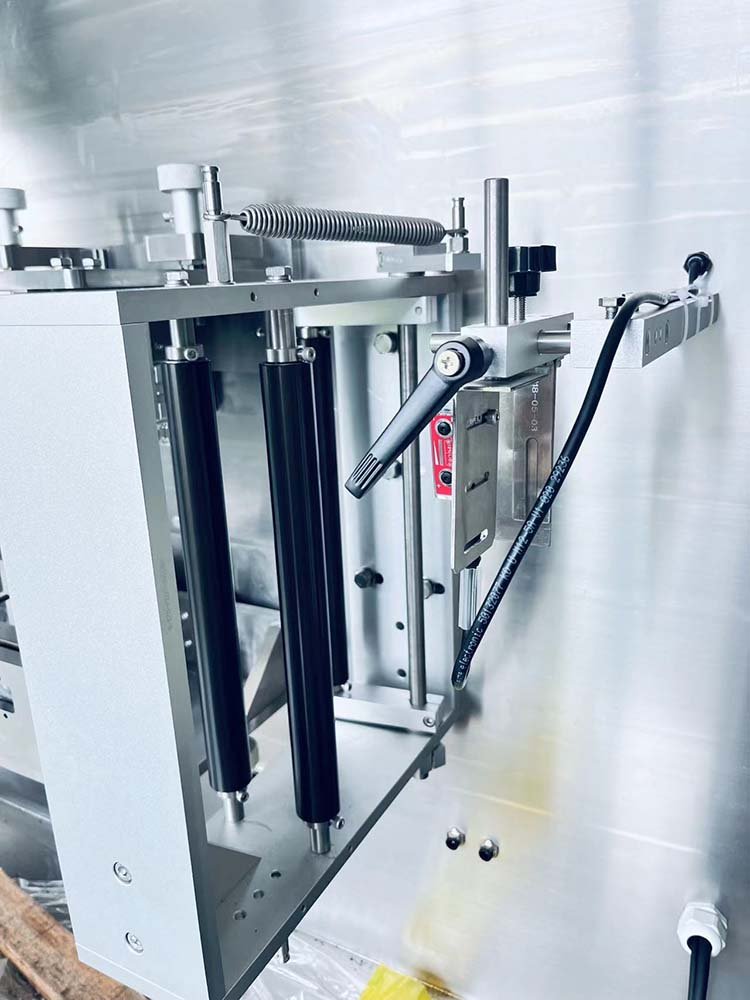

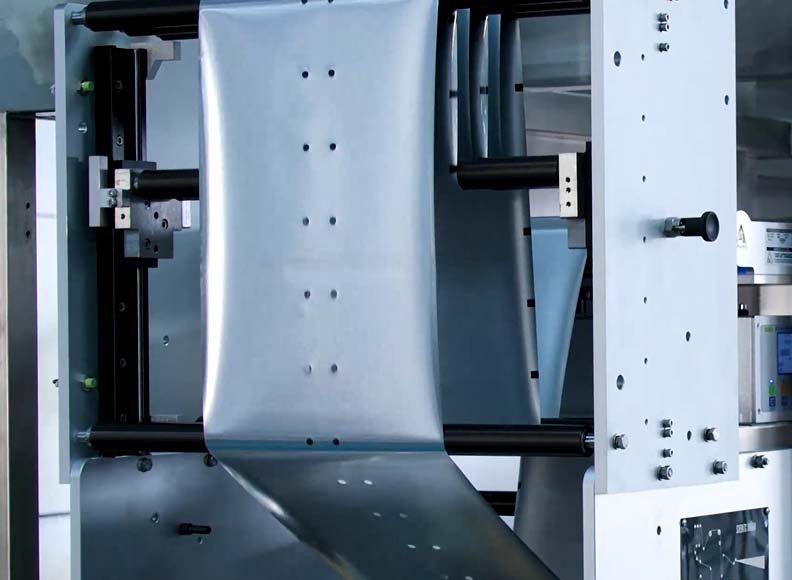

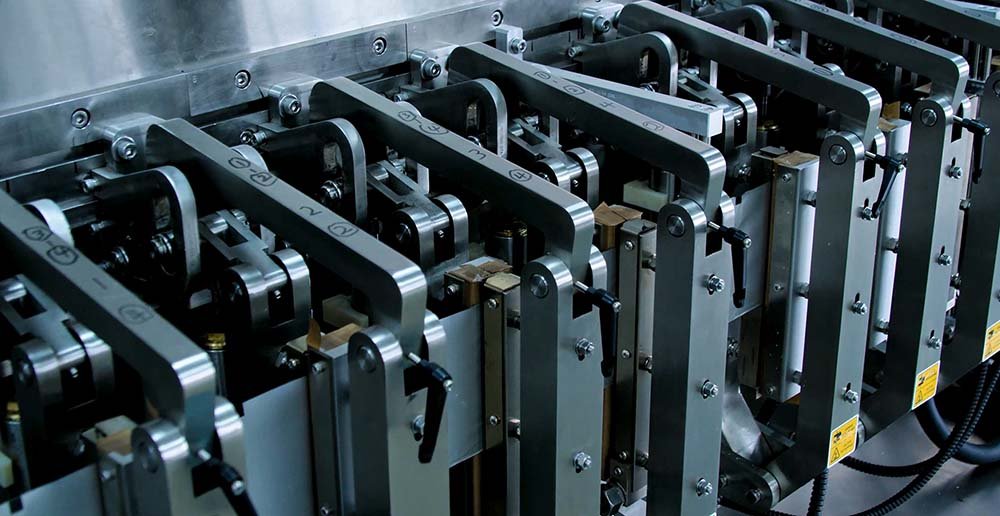
The source proposal gives a reference speed of 160–200 bags/min for a four-station configuration. Contract acceptance should use agreed product, dose, pouch, film, test duration, reject limits and downstream conditions.
The confirmed reference application is tomato paste or purée in a bottle-shaped doypack or flat bag, with a reference dose of 120 g or less. Other products and formats require a separate engineering review.
The platform may be configured for additional pouch features, but each contour or closure changes tooling and process scope. Compatibility is confirmed only after the controlled pouch drawing, film, filling access and FAT evidence are approved.
The HMI can change controlled recipe values, but the complete changeover may still include pouch tooling, filler parts, product cleaning, film setup and first-off release. Confirm changeover time against the approved format matrix during FAT.
Pricing is configuration-based. The commercial boundary changes with the filler, tank, pouch tooling, closures, coding, inspection, conveyors, utilities, documentation, commissioning and spare-parts scope.
Use the signed quotation and contract to confirm warranty period, exclusions, spare-parts response, remote support, installation, training and travel costs. Do not use a generic website statement as the acceptance document.
Compare roll-stock and premade-pouch routes with your annual volume, material prices, tooling, waste, labour, changeover, cleaning and accepted output. A universal percentage saving or payback threshold is not reliable without project data.
High-Speed Doypack Engineering Library
A 160–200 bag/min machine must be evaluated as a complete pouch-production system. Lane architecture, film, filling time, opening reliability, seal quality, changeover scope and FAT criteria determine whether rated speed becomes stable saleable output.
Compare single-station and four-station architectures by accepted output, balance, cleaning, maintenance access and lifecycle capacity before fixing the machine layout in the URS.
Servo Control
Record motion, interlocks, recipes, alarm evidence and the accepted-output test before the control architecture is approved.
Build the full-servo URS and FAT scopeArchitecture
Compare roll-stock forming with premade pouch handling by format freedom, changeover, material supply and production economics.
Review the HFFS vs premade pouch decisionFilling
Use product behavior, dose range, accuracy, cleanability and required fill time to select the filler that will support the target cycle.
Choose a pouch filling systemPackaging Material
Record roll, web, laminate, registration, sealant and splice requirements so the material can be qualified for the intended speed window.
Build the HFFS film specificationProcess Stability
Separate opening, detection, nozzle motion and product behavior when unstable filling limits accepted output or contaminates the seal area.
Review pouch opening and fillingQuality
Connect film structure, temperature, dwell, pressure, contamination control and test methods instead of judging seals by appearance alone.
Review stand-up pouch seal integrityAcceptance
Define the product, pouch, duration, accepted output, rejects, alarms, changeover and document deliverables before the factory test begins.
Use the stand-up pouch machine FAT checklistOperations
Control parts, recipes, cleaning, first-off checks and production release so short changeovers do not create extended startup losses.
Plan pouch machine changeoverLifecycle
Connect preventive tasks, failure evidence and machine-specific spare parts to the availability required from a high-output line.
Build the preventive maintenance planProcurement checkpoint: ask for one agreed production basis—product, dose, pouch, film, lane count, test duration, acceptable rejects and downstream condition. A speed value without these boundaries is not an acceptance criterion.
INMAYPACK is a Shanghai-based packaging machinery brand. This page documents the HMK420Q reference configuration and separates quoted source data from options that still require project confirmation. Use the signed proposal, approved drawings, BOM and FAT protocol as the final technical and commercial authority.
Reference this page as: “HMK420Q High-Speed Doypack Packing Machine.” INMAYPACK, ewpackmachinery.com.
Related machines: Horizontal form fill seal machine architecture · Full Servo Doypack Packing Machine · Zipper Pouch Packing Machine · Spout Pouch Filling Machine · Stand-Up Pouch Packing Machine · All Doypack Packing Machines
Send the product, target dose, pouch drawing, laminate, required accepted output and downstream conditions. INMAYPACK will define the configuration and test boundary before issuing the project quotation.