Controlled drawing
Width, height, gusset, seal layout, closure, fitment, registration and coding position.
Packaging systems configured around your application Defined project scope

Technical explainer · Format control
A pouch packing machine changeover is complete only when the previous product and materials are cleared, the next format is installed, the saved settings are verified and quality has released repeatable packs. The mechanical adjustment is only one part of the job.
This guide applies to roll-stock HFFS and premade-pouch systems at a general engineering level. The machine manual, the plant's energy-control procedure, the product risk assessment and the approved sanitation SOP always take precedence.
A quoted “changeover time” is meaningless unless the start and finish conditions are fixed. One team may stop the timer when the last pack of the previous order exits. Another may start only after cleaning. One supplier may count the first trial pack as completion; the quality team may wait until fill, seal, coding and appearance all pass.
| Boundary | Recommended event | Why it matters |
|---|---|---|
| Start | Last accepted pack from the previous run leaves the defined line boundary. | Separates production from the conversion task. |
| Mechanical complete | All required format parts, guides, filler interfaces and packaging materials are installed. | Useful for maintenance analysis, but not a release point. |
| First cycle | The machine produces the first pack after restart. | Shows motion has resumed; it does not prove quality. |
| Finish | The first pack or defined sample set satisfies the approved acceptance criteria. | Measures time to saleable output rather than time to motion. |
| Stable release | The line sustains the agreed verification run without an unresolved defect trend. | Prevents a single good pack from hiding an unstable setup. |
For a new line or a new format, define these events in the URS and test them during the pouch machine FAT. A stopwatch result without this boundary cannot be compared fairly between machines.
Prepare one controlled changeover pack for every released SKU or format family. The pack should identify the intended film or premade pouch, product, fill range, coding information, installed tooling, filler interface, machine recipe and acceptance checks. If operators must reconstruct this information from memory, the process is not yet repeatable.
Width, height, gusset, seal layout, closure, fitment, registration and coding position.
Film or pouch construction, supplier lot, roll direction, core, roll size or premade-pouch orientation.
Recipe ID and revision, speed target, seal zones, timing offsets, vacuum, air and filler settings.
Fill tolerance, seal check, registration, code verification, appearance and the required sample or run length.
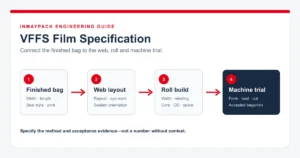
For roll-stock projects, use the separate doypack film specification guide to define web direction, registration and roll information before the trial.
Not every recipe selection or external guide adjustment requires the same controls. But if changeover exposes a person to unexpected motion, stored pneumatic pressure, hot sealing surfaces, electrical energy, gravity, springs or another danger zone, the site's approved hazardous-energy procedure governs the work.
OSHA 29 CFR 1910.147 addresses servicing and maintenance where unexpected energization, start-up or stored-energy release could injure employees. ISO 14118:2017 addresses designed-in means for preventing unexpected start-up across electrical, hydraulic, pneumatic and stored-energy sources. Apply the requirements that govern the installation and activity; do not replace a site-specific risk assessment with a generic checklist.
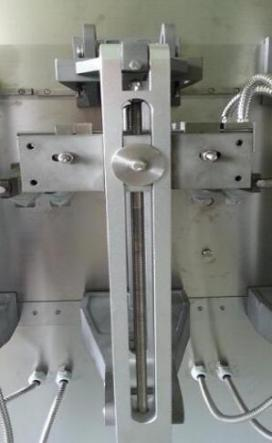
The list depends on machine architecture and package format. A controlled format sheet should name every adjustment, change part, tool and verification point instead of using one instruction such as “set machine for 200 mm pouch.”
| System | Typical changeover work | Verification |
|---|---|---|
| Film or pouch supply | Roll loading, splice, web centering and registration; or pouch magazine width, guides and orientation. | Correct material identity, direction and stable feed. |
| Forming and transport | Forming geometry, pitch, guides, gripper position, transfer timing and pouch support. | No edge damage, skew, loss of registration or unstable handoff. |
| Opening and filling | Suction cups, jaws, air assist, nozzle or funnel height, filler timing and anti-drip or dust controls. | Reliable opening, clean product transfer and no seal-area contamination. |
| Sealing and finishing | Jaw position, seal recipe, cooling, cut position, notch, hole punch, code location or fitment tooling. | Seal and feature position match the controlled drawing and approved test. |
| Controls | Recipe, bag length, registration offset, alarms, inspection thresholds and reject logic. | Correct recipe revision and verified sensor response. |
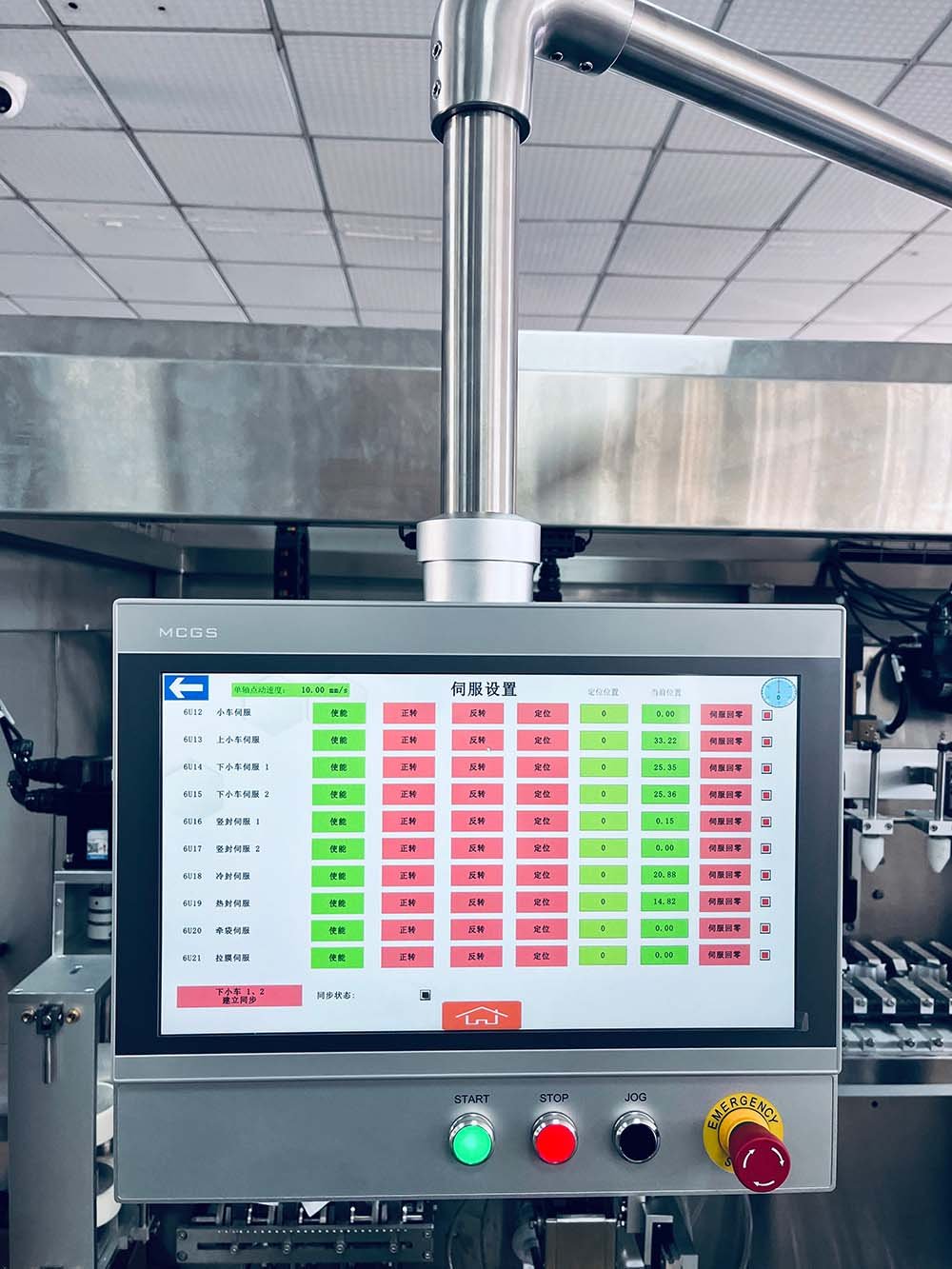
A roll-stock HFFS changeover can affect the web path, bag pitch, registration, forming geometry, seals, cut position and optional zipper or fitment operations before filling. A premade-pouch machine starts with a finished pouch, so magazine, pickup, transfer, opening, support, filling and top sealing become the main package-handling points.
| Question | Roll-stock HFFS | Premade pouch |
|---|---|---|
| Primary material setup | Film roll, web direction, tension, registration and forming path. | Pouch stack, magazine, pickup orientation and pouch-to-pouch consistency. |
| Geometry changes | May require forming, sealing, cutting and transfer adjustments. | Usually focuses on guides, grippers, opening and top-seal presentation. |
| Startup risk | Web drift, registration, incomplete forming or cut/seal displacement. | Double picks, missed picks, failed opening or skewed presentation. |
| Shared validation | Product delivery, seal-area cleanliness, final seal, code, appearance and accepted output. | |
If architecture selection is still open, compare them in the HFFS vs premade pouch machine guide. For the roll-stock station sequence, see HFFS packaging machine components.
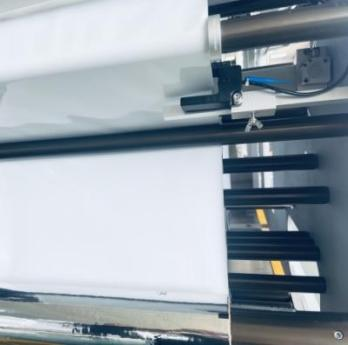
The first pack after restart is evidence that the machine cycled. It is not evidence that the format is ready. Build the release around the actual risks of the product and package, and keep startup material segregated until the designated authority accepts it.
If defects appear, isolate the first unstable variable instead of adjusting several stations together. The stand-up pouch machine troubleshooting guide gives a diagnostic sequence for web tracking, opening, filling, sealing and cutting faults.
For food plants subject to U.S. requirements, 21 CFR 117.35 requires equipment cleaning and sanitizing to protect against allergen cross-contact and contamination. 21 CFR 117.40 addresses cleanable equipment, maintenance and the protection of food-contact surfaces. Other markets and products have their own applicable controls.
The changeover sheet should therefore identify which parts contact product, which parts can retain dust, liquid or fragments, how removed parts are handled, what “clean” means for the plant and who verifies release. Do not copy a generic wet-cleaning method to a low-moisture process or assume that visible cleanliness proves allergen or microbiological control.
One total duration cannot show whether the constraint is planning, sanitation, mechanics, control settings, material behaviour or quality approval. Record a small number of timestamps and exceptions so improvement work targets the actual loss.
Last accepted pack, isolation complete, cleaning release, mechanical complete, first cycle, first accepted pack and stable release.
Missing parts, wrong material, recipe mismatch, adjustment loops, failed checks, waiting for approval and startup scrap.
Compare like with like: the same machine, format family, cleaning class, crew definition and finish boundary. Use the record to update the format sheet, not to pressure operators into bypassing safety or release checks.
I do not treat a fast changeover as a technician moving quickly. A repeatable changeover has already decided which parts, positions, recipe, material and acceptance checks belong to the next format. When those decisions remain open after the line stops, the machine becomes a meeting place for production, maintenance and quality. The practical improvement is to move those decisions into a controlled format pack and leave the operator with verification rather than reconstruction.
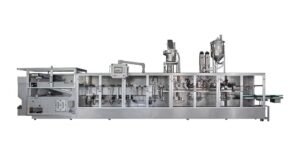
For a roll-stock stand-up pouch application, review the HMK2000 stand-up pouch packing machine against the actual format list rather than assuming one recipe covers every pouch.
Keep changeover work separate from scheduled service. The pouch packing machine preventive maintenance guide explains how to set tasks, evidence-based intervals, records and controlled restart checks without turning every format conversion into an unplanned repair. When a format part is also a wear or critical spare, use the pouch packing machine spare-parts guide to control its as-built identity, stocking reason and substitution rule.
Send the pouch or film drawings, product matrix, fill range, cleaning classes and required acceptance checks. INMAYPACK can map the requested formats to change parts, recipes and a sample-test plan.
Reply: sales@ewpackmachinery.com · WhatsApp: +86 18658799162