1. Contract baseline
List the machine model, filler, conveyors, coder, inspection devices, guarding, utilities, software options, spare parts and documentation included in the order.
Packaging systems configured around your application Defined project scope

A running machine is not yet an accepted machine. A factory acceptance test should prove that the agreed machine, pouch, product and operating conditions work together—and leave an auditable record of what passed, what failed and what remains open before shipment.
Quick answer: freeze the FAT protocol before the test; bring production-representative film, product and coding materials; verify scope, safety functions, recipes, alarms and manual modes; run approved pouch formats under defined conditions; measure package quality and performance against contract values; test the agreed changeover; then close or formally assign every deviation. Do not invent pass limits on the test day.
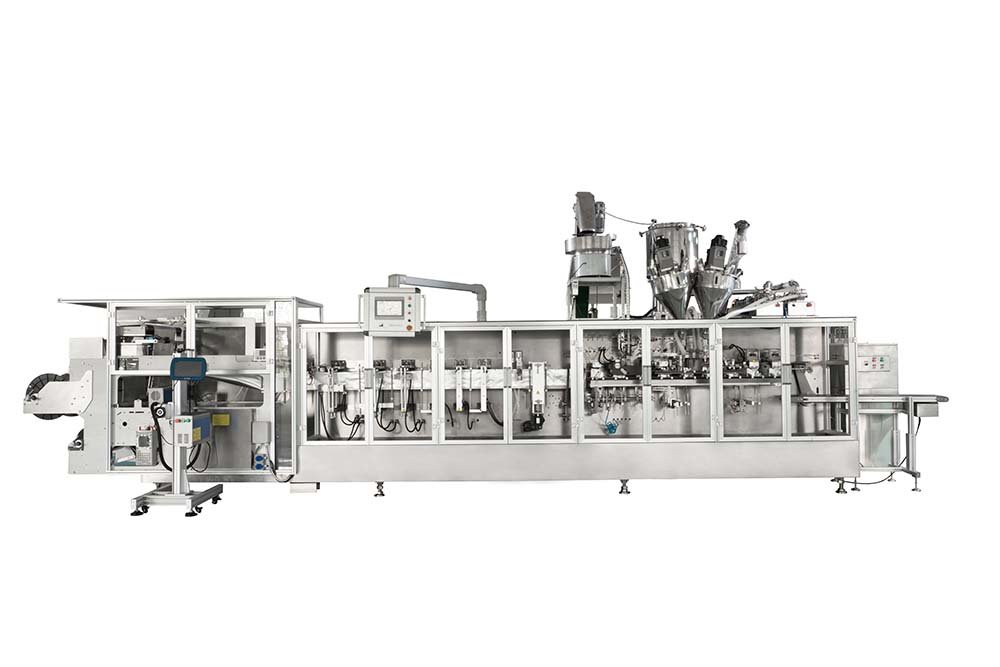
The checklist below is written for a roll-stock stand-up pouch machine. It does not replace the signed user requirement specification, purchase contract, approved drawings or project-specific FAT protocol. Those documents control the acceptance values.
A FAT cannot resolve an undefined purchase scope. The buyer and machine builder should agree the protocol, test materials, responsibilities and evidence format while there is still time to prepare the machine and samples.
List the machine model, filler, conveyors, coder, inspection devices, guarding, utilities, software options, spare parts and documentation included in the order.
Identify every pouch size and construction to be witnessed. Attach the approved pouch drawing, film specification, print repeat and registration-mark information.
Define who supplies film, zipper, product, coding consumables and packaging for samples. Record batch or roll identification so results remain traceable.
State target speed, run duration, sample frequency, fill tolerance, allowable rejects, seal tests and changeover expectations exactly as agreed for the project.
Name the people authorized to observe, measure, accept deviations and sign the report. Include production, engineering, quality and safety roles where applicable.
Agree which data, photographs, videos, sample pouches, alarm records, drawings and signed forms will be delivered after the test.
Critical rule: “maximum machine speed” is not automatically the FAT acceptance speed. The pass value must correspond to the contracted pouch, product, filler and quality conditions. Likewise, a generic run duration or reject percentage should never be added after the purchase order unless both parties approve the change.
The OpX One Voice acceptance-test work product exists to reduce unclear FAT, vFAT and SAT expectations between equipment users and OEMs. For the pouch machine itself, also lock the incoming roll data using the doypack film specification checklist.
Start with identification and dry-cycle checks. Confirm the equipment supplied matches the approved scope, utilities are within the declared range and the machine can be operated, stopped and recovered as intended.

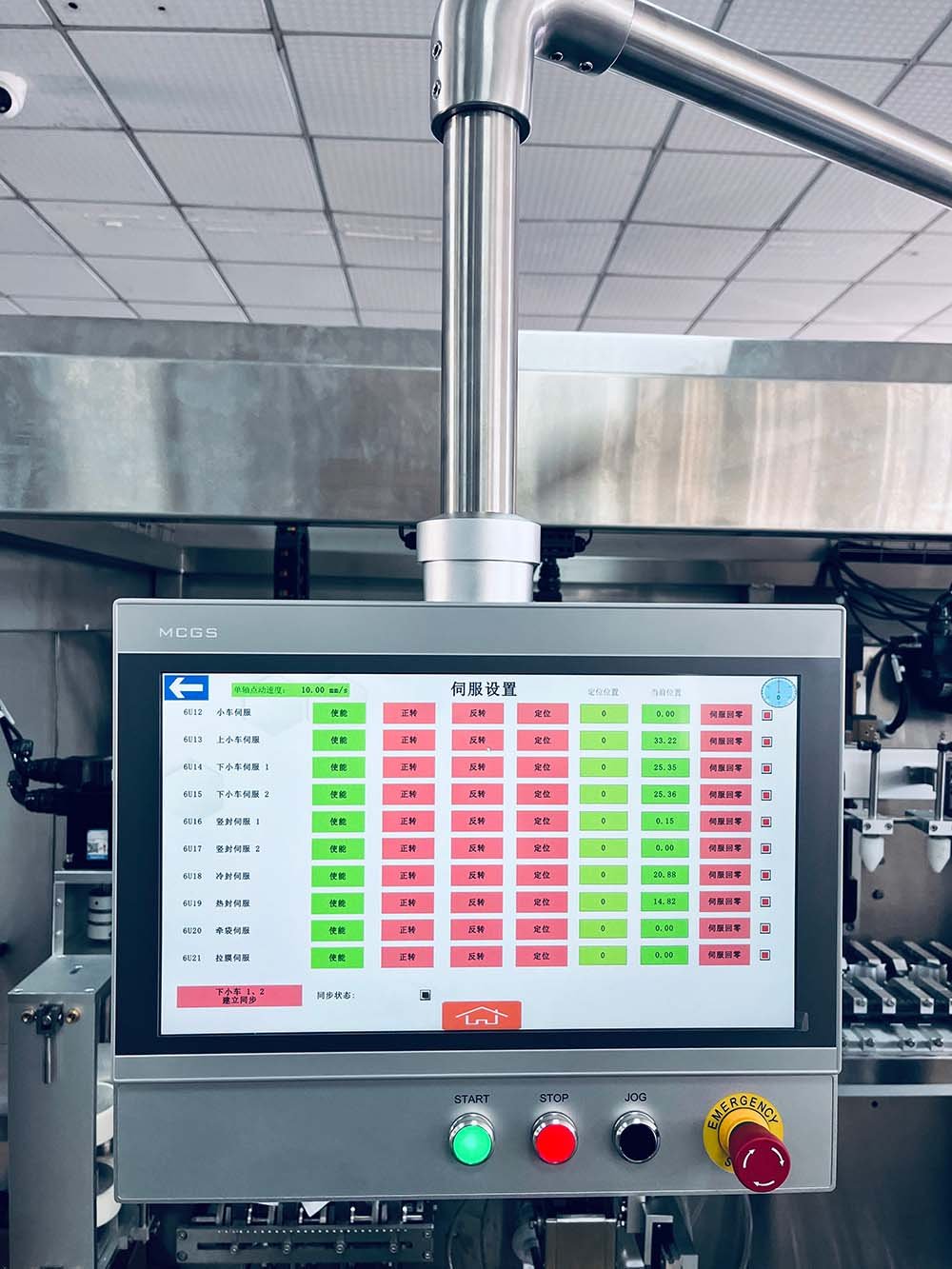
Machinery risk assessment and risk reduction are addressed by ISO 12100. Electrical equipment of machinery, including topics such as protective bonding, emergency-stop control functions and technical documentation, is addressed by IEC 60204-1. The applicable standards and conformity scope must be defined for the destination and project; this article is not a compliance certificate.
Run the agreed film and product through the complete process path. Start-up scrap, steady-state output, planned stops and fault stops should remain distinguishable in the record so that a good average cannot hide an unstable period.
| Test family | What to define before FAT | Evidence to retain |
|---|---|---|
| Pouch geometry | Approved width, height, gusset, cut position, notch, zipper or hole location and permitted variation | Time-stamped samples and measurements against the approved drawing |
| Seal and appearance | Required seal locations, visual defects, wrinkles, channels, contamination controls and project-specific package tests | Sample plan, test method, results and retained good/bad reference samples |
| Filling | Product condition, target fill, allowable tolerance, sampling method and filler interface behavior | Individual sample results, scale identification and exception record |
| Registration and coding | Print-to-cut requirement, code content, legibility, position and reject response where supplied | Marked samples, code verification and fault challenge result |
| Performance run | Contracted speed, duration, planned stops, permissible rejects and calculation method | Start/end times, counter readings, stop log, good packs and reject classification |
| Format change | From/to formats, starting condition, trained operator, included tools and end condition | Elapsed time, adjustments, parts used and first acceptable package |
If the protocol uses a quality or performance percentage, the report should show the underlying counts and agreed formula—not only the final percentage. Classify losses by cause: film handling, forming, filling, sealing, coding, machine stop, planned adjustment or material defect. This makes the punch list actionable and prevents unrelated causes from being combined.
Do not substitute empty-bag success for a product run. Product dust, granules in the seal area, liquid splash, fill weight, package load and real laminate behavior can change opening, filling and sealing performance. Any approved substitute material and its limitations should be written into the protocol.
Use the stand-up pouch seal-integrity guide to define a product-and-film-specific test plan, and the HFFS troubleshooting sequence to isolate defects without changing several process families at once.
Every deviation should be classified before the FAT meeting ends. “To be fixed” is not enough. Record the requirement, observed result, impact, agreed action, responsible party, due date and the evidence needed for closure.
Accepted: requirement met and supporting evidence attached.
Accepted with an agreed deviation: difference understood, commercially and technically approved, and incorporated into the controlled project record.
Open before shipment: corrective action and verification evidence required before release.
Deferred to SAT: test genuinely depends on site utilities, upstream/downstream integration or production conditions unavailable at the builder’s factory.
Failed: acceptance requirement not met and shipment disposition requires authorized approval.
FAT verifies the agreed equipment at the builder’s facility. SAT verifies the installed system under site conditions. Incoming power and air, floor layout, upstream product feed, downstream inspection, plant networks, operator practices and production environment can all introduce conditions that were not present during FAT.
The FAT report should therefore state what was demonstrated, what was not available and which items transfer to installation, commissioning or SAT. Passing FAT should never be written as proof of every future product, film or operating condition.
A machine FAT does not prove the complete line. When the project includes feeders, inspection, conveyors or secondary packaging, continue with the packaging system integration checklist and test start, stop, blocking, starvation, reject and recovery as one connected sequence.
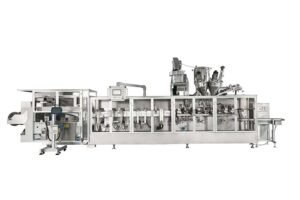
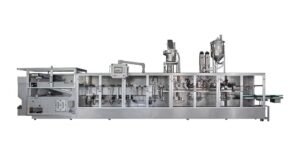
Review the HMK2000 stand-up pouch packing machine specifications, then send the agreed pouch drawings, film structure, product data, filler scope, target output and acceptance requirements. INMAYPACK can identify which materials, tooling and test conditions must be ready before the witness date.
Include the machine configuration, every witnessed format, real test materials, agreed performance conditions, package-quality methods, changeover scope and documentation deliverables. Values will be reviewed against the project—not replaced with generic thresholds.
OpX Leadership Network, One Voice for Acceptance Tests—industry guidance intended to reduce unclear FAT, vFAT and SAT criteria and responsibilities.
PMMI, OpX Leadership Network Offers Updated FAT Guidance—background on defining expectations and communication between equipment users and OEMs.
International Organization for Standardization, ISO 12100:2010—general principles for machinery risk assessment and risk reduction.
International Electrotechnical Commission, IEC 60204-1:2016—general requirements for electrical equipment of machines. Applicable editions and requirements must be confirmed for the project.