Packaging systems configured around your application Defined project scope

Share your requirements • sales@ewpackmachinery.com

INMAYPACK · Integrated packaging systems

Turnkey Packaging Solutions and Line Automation

From your product and pack to one coordinated proposal.

Plan the feeding, filling, packaging and selected downstream functions around the pack you need to produce. INMAYPACK reviews doypack, sachet, premade-pouch and coffee applications with a clear equipment, integration and delivery scope.

  • Doypack systems
  • Sachet & stick packs
  • Premade pouches
  • Coffee packaging

Send your product, package drawing, dose range and required finished-pack output.

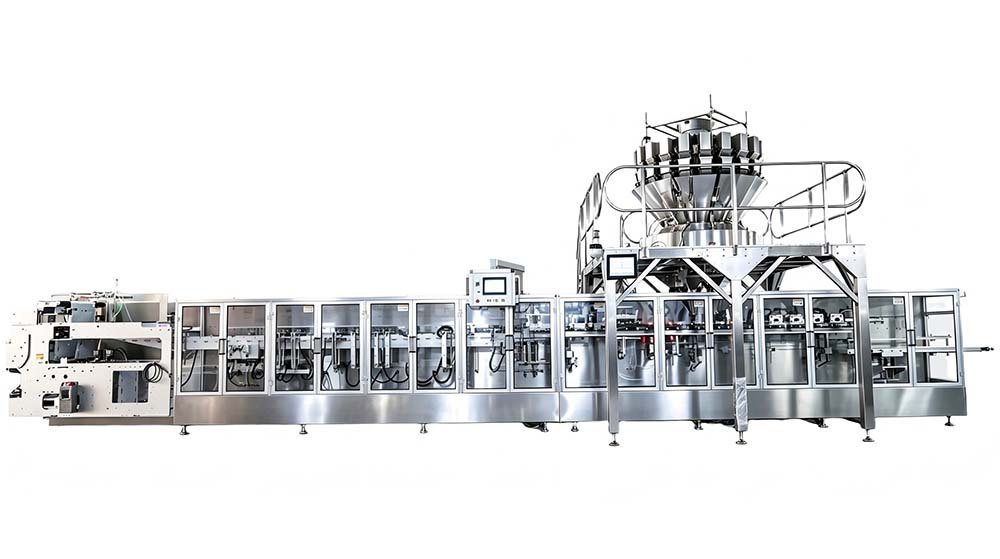
Turnkey packaging solutions equipment reference showing a roll-film pouch platform with selected product-feed and filling equipment
Packaging equipment coordinated around your applicationRoll-film pouch-platform reference. The proposal defines the selected filler, tooling and connected line modules.
Product & packStart with the application
EquipmentChoose the primary packaging route
IntegrationCoordinate the selected handoffs
AcceptanceAgree tests, documents and delivery
Clear commercial boundary

What “turnkey” means for your packaging project

A turnkey packaging solution defines the equipment, connected functions and project responsibilities needed for your product and finished package.

Included when confirmed in the proposal and URS

One coordinated packaging-system scope

The reviewed line may combine product feeding, dosing, primary packaging, coding, inspection, rejection, discharge, transfer and applicable downstream equipment. The exact modules depend on the product, pack and accepted operating basis.

Mechanical layout, product handoffs, control signals, safety interfaces, utilities, data, access, recovery logic and the acceptance method must be defined across the agreed line—not separately after each machine has been selected.

  • Named modules and supplier responsibilities
  • Defined mechanical, electrical and controls interfaces
  • Agreed product, package and output basis
  • Documented test conditions and handover evidence
Primary packaging route

Choose the packaging platform from the finished pack

The same product can fit more than one system. Compare material supply, format control, filling access, sealing, changeover and acceptance evidence before a model is fixed.

Doypack packaging equipment for roll-film stand-up pouch systems
Roll-film pouch-platform reference
Roll-film stand-up pouch

Doypack packaging systems

For stand-up, zipper, spout and selected shaped pouches formed from roll film. Review film path, forming geometry, opening, filling, sealing and any spout process as one chain.

Compare doypack packing machines
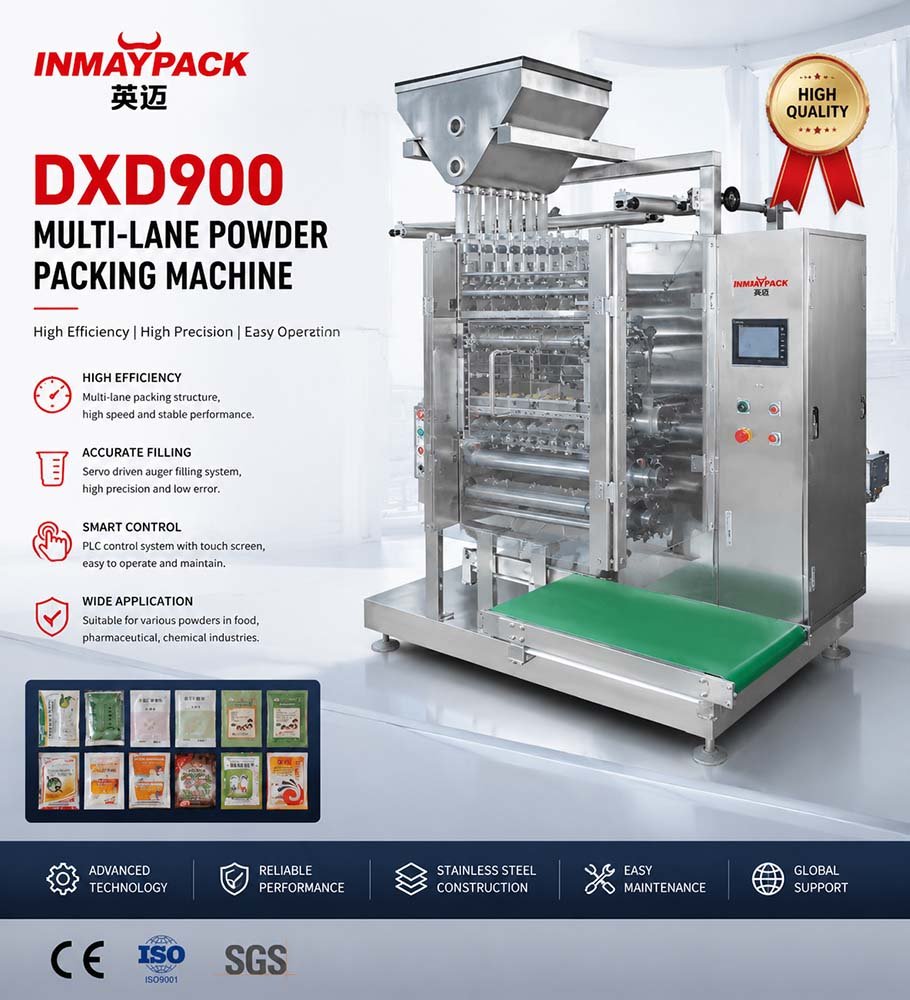
DXD900 multi-lane powder sachet equipment reference
Multi-lane sachet equipment reference
Flat sachet and stick pack

Sachet packaging systems

For compact roll-film packs where lane count, dosing distribution, film layout, sealing area and downstream collection determine accepted line output.

Compare sachet packing machines
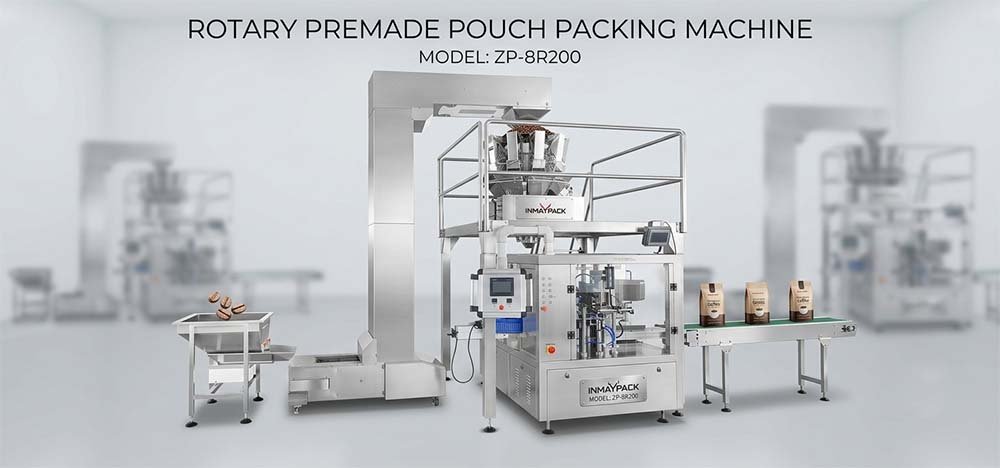
ZP-8R200 rotary premade pouch packing equipment reference
Supplied-pouch equipment reference
Supplied finished pouch

Premade-pouch systems

For supplied flat, stand-up, zipper, spout or other confirmed pouch formats. Validate pouch pickup, opening, filling access, sealing and discharge with real samples.

Compare premade-pouch machines
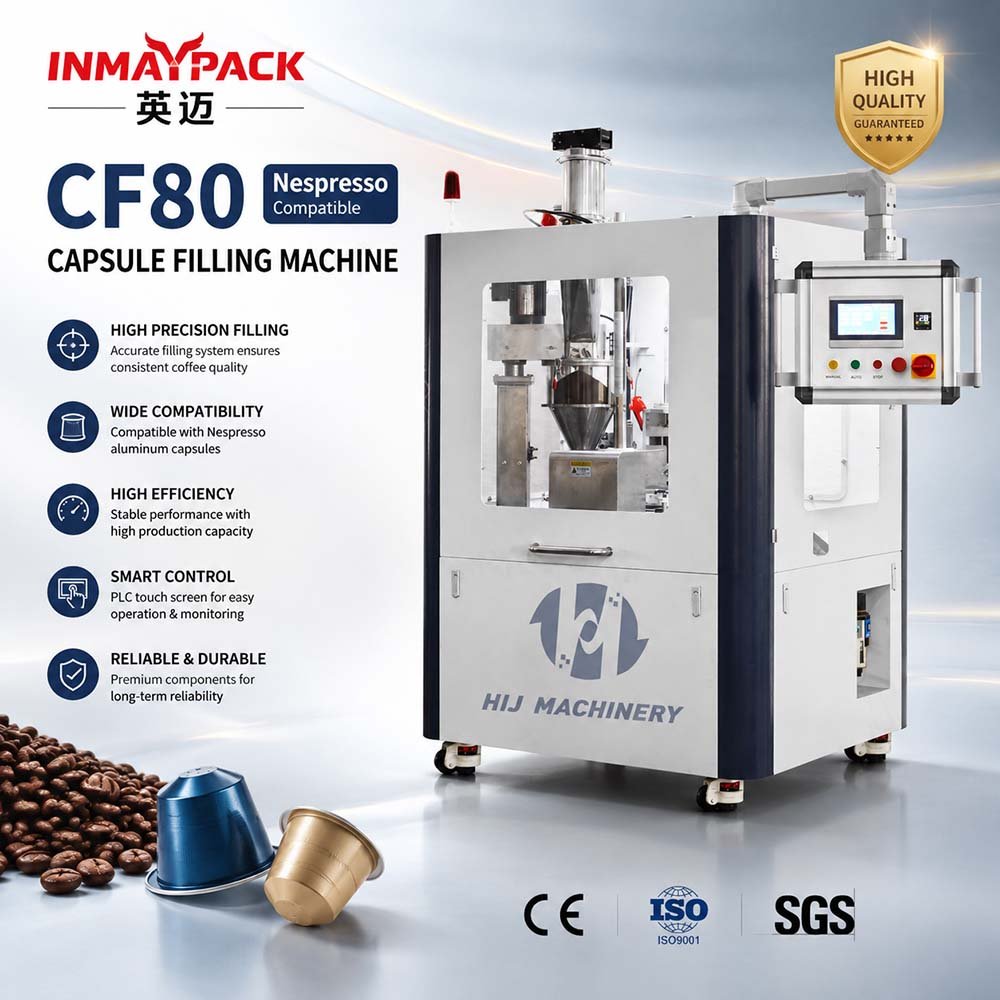
CF80 coffee capsule filling and sealing equipment reference
Capsule platform; other coffee formats reviewed separately
Coffee package formats

Coffee packaging systems

For whole beans, ground or instant coffee, sticks, capsules and relevant downstream cartons. Treat each format as a separate dosing, sealing and handling route.

Compare coffee packaging machines
Line architecture

Map the product path before selecting machines

A reliable proposal follows the material and package from bulk supply to an accepted finished pack. Each stage changes the capacity, timing and controls required from the next one.

01 · PRODUCT INFEED

Stabilize the supplied product condition

Define storage, replenishment, temperature, settling, dust, splash, bridging and product-protection needs before the dosing unit is sized.

02 · DOSING

Match measurement to product behavior

Select the dosing principle from flow behavior, viscosity, particle size, dose range and the agreed tolerance method—not from package style alone.

03 · PRIMARY PACK

Choose the correct package route

Compare roll-film forming, supplied-pouch handling, sachet lanes or capsule filling using controlled drawings, materials and actual samples.

04 · QUALITY CONTROL

Define coding, inspection and rejection

Record inspection points, reject confirmation, traceability data and the evidence that separates accepted output from total cycles.

05 · DOWNSTREAM

Protect flow after the primary machine

Confirm discharge height, orientation, accumulation, counting, grouping and any carton interface before finalizing the line layout.

06 · OPERATION

Plan access, changeover and recovery

Include operator tasks, cleaning, format parts, fault response, restart conditions and maintenance access in the same review.

Quotation inputs

Send the information that changes the line

A useful quotation starts from the same technical basis for every supplier. Unknown items should remain open questions rather than being replaced by assumptions. The packaging machine RFQ builder turns the inputs below into a structured brief you can copy, download or email.

Decision areaWhat to provideWhat it changes
ProductProduct type, physical behavior, temperature, moisture or oil, dust or splash behavior, cleaning needs and representative samplesFeeding method, dosing principle, contact design, settling, contamination control and cleaning access
Dose and outputNominal dose, full range, tolerance method, target accepted output, production pattern and planned product changesDoser capacity, lane count, timing, buffer size, product replenishment and acceptance basis
PackageControlled drawing, dimensions, material structure, roll or supplied pouch, closures, artwork position and sample packsMachine architecture, forming or pickup method, tooling, registration, filling access, seal geometry and changeover
QualityCoding, inspection, detection, checkweighing, seal checks, rejection, sampling and traceability expectationsInspection stations, reject logic, line controls, data exchange and accepted-output evidence
InterfacesUpstream supply, downstream equipment, elevations, orientation, accumulation, signal list and responsibility splitLayout, conveyors, mechanical handoffs, controls handshakes, recovery logic and operator access
Site and handoverFloor plan, utilities, environment, destination market, documents, training, FAT and site-service expectationsCommercial boundary, site preparation, test scope, shipment readiness and handover deliverables
Integration ownership

Define every handoff before the line is priced

The number of machines is not the useful comparison. Compare whether every proposal covers the same product condition, interfaces, controls, rejection, documentation and test.

Before adding nominal machine speed, use the pouch packing line bottleneck analysis to separate starvation, blocking, filling, sealing, rejects and downstream constraints under one accepted-output basis.

Mechanical

Position, elevation and physical transfer

Confirm infeed and discharge heights, pitch, orientation, guide changes, guarding, access, accumulation and the accepted condition at each transfer.

Risk if undefined: good machines can still stop, spill, jam or damage packs between stations.

Controls

Signals, permissives and fault recovery

Record ready, run, stop, starved, blocked, fault, reject and reset behavior together with the party responsible for each control panel and program change.

Risk if undefined: the line cannot recover consistently after normal production interruptions.

Quality

Inspection points and reject confirmation

Define what is checked, how defects are identified, where rejected packs go, how rejection is confirmed and which output is counted as accepted.

Risk if undefined: total cycles may be mistaken for saleable output.

Utilities and safety

One documented site and responsibility boundary

Confirm electrical and pneumatic supplies, extraction or ventilation needs, safety circuits, guarding interfaces, access and any buyer-provided services.

Risk if undefined: missing site work appears only after delivery.

Data and coding

Recipes, traceability and production records

Specify code content, printer or vision interfaces, recipe ownership, data exchange and the records required from the agreed configuration.

Risk if undefined: a mechanically complete line may not satisfy the operating workflow.

Downstream

Count, group and carton the accepted primary pack

When retail cartons are required, define pack orientation, count, carton drawing, loading, closure, coding, inspection and controls as part of the handoff.

Review automatic cartoning machine systems

Planning a new line or an equipment upgrade?

Share the product, package, existing machines and required interfaces so the next proposal starts from your production needs.

Request My Line Recommendation
Engineering workflow

Move from application review to an accepted scope

The steps below keep machine selection, commercial scope and acceptance evidence connected. Their detail is adjusted to the confirmed project.

Application review

Confirm product, dose, pack, output basis, production pattern, utilities and unresolved risks.

Architecture comparison

Compare dosing and package routes before individual models and optional modules are fixed.

System boundary

Record included equipment, exclusions, third-party interfaces, responsibilities and required documents.

Sample and risk review

Use real product and packaging materials to review feeding, filling access, contamination and seal conditions.

URS and FAT plan

Agree the user requirements specification (URS) and factory acceptance test (FAT) plan: configuration, operating conditions, checks, rejects, alarms, recovery and retained evidence.

Handover and open items

Record completed tests, supplied documents, training scope, outstanding work and site responsibilities.

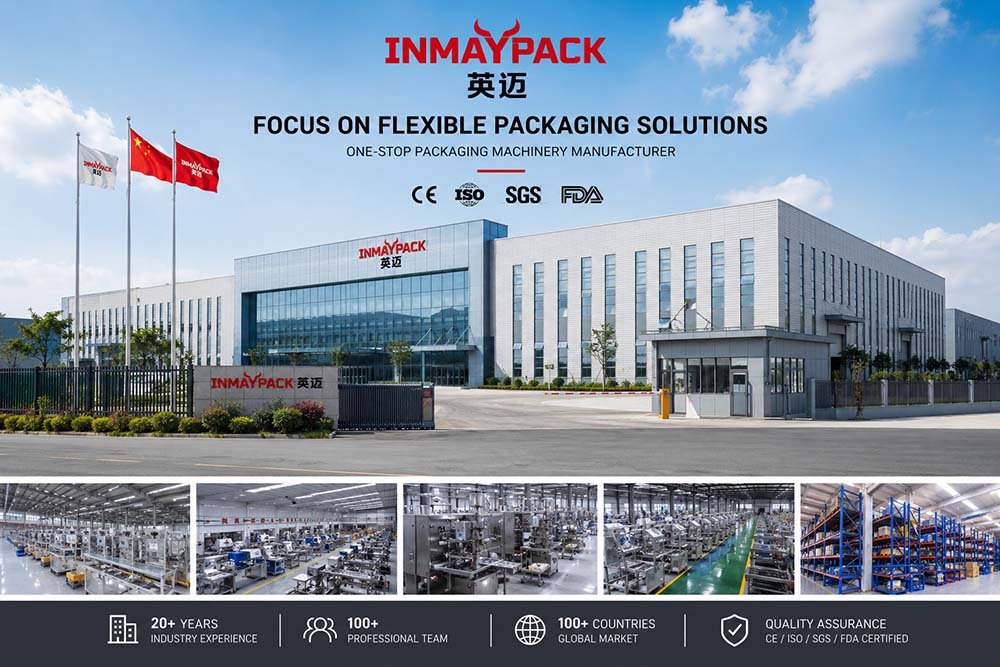
INMAYPACK packaging machinery facility reference for turnkey project review
INMAYPACK facility graphic. Review the available project evidence, test records and handover scope for the proposed equipment.

Prepare the product trial and handover together

Discuss the production samples, package materials, accepted output, test records and support requirements before the scope is finalized.

Discuss My Project & Acceptance Test
Compare the same scope

What a usable line proposal should make clear

Names and formats vary by project, but the commercial comparison should expose these four boundaries instead of hiding them behind one total price.

Equipment

Included machines, tooling, change parts, options and buyer-supplied items.

Integration

Layout, conveyors, controls, safety, utilities, data and third-party handoffs.

Acceptance

Product, package, configuration, test duration, checks, rejects and recorded evidence.

Delivery

Documents, packing, shipment boundary, installation, training, support and open items.

Connect the final equipment boundary to the service and support scope before the order is released.

Buyer questions

Turnkey packaging solutions FAQ

What is a turnkey packaging solution?

It is a packaging-system scope in which the included machines, interfaces, responsibilities, controls, documentation and acceptance basis are coordinated for a confirmed application. The term should not be used as a substitute for a written list of inclusions and exclusions.

What information is needed before a line can be quoted?

Provide the product and representative samples where possible, dose range, controlled package drawing and materials, target accepted output, production pattern, inspection needs, upstream and downstream interfaces, floor plan, utilities, destination market and acceptance expectations.

Is one automatic packaging machine a turnkey line?

Not automatically. A primary packing machine may be the core of the line, but the project boundary must state whether product supply, dosing, coding, inspection, rejection, conveyors, downstream equipment, controls, documents and site services are included.

How should suppliers' packaging line quotations be compared?

Compare them against the same product condition, package specification, accepted-output basis, machine configuration, integration responsibility, inspection method, FAT conditions, documents and delivery boundary. A lower price is not directly comparable when important handoffs or services remain outside the quotation.

Can existing or third-party machines be integrated?

They may be included after their mechanical, electrical, controls, safety, data and performance interfaces have been reviewed. Ownership of modifications, testing and fault resolution must be recorded rather than assumed.

How is an HFFS route compared with a premade-pouch route?

Compare the finished package, product behavior, roll-film or supplied-pouch logistics, filling access, sealing requirements, format changes, material usage, maintenance needs and accepted-output evidence. Neither architecture is universally better.

How should an integrated packaging line be accepted?

Use an agreed URS and FAT plan naming the product, package, configuration, run conditions, duration, quality checks, acceptable rejects, inspection method, alarms, recovery checks and required records. A headline speed without these boundaries is not a complete acceptance criterion.

How much does a turnkey packaging line cost?

The quotation depends on the primary machine, selected filler, tools, connected equipment, integration work and delivery scope. Send one product-and-package brief and request an itemized current proposal with clearly listed inclusions and responsibilities.

Can representative product and packaging samples be used?

Define the samples, production material, installed equipment and test conditions in the project plan. Review feeding, filling access, closure quality, normal stops and recovery, then retain the agreed finished-pack results and open items.

Define the project boundary

Tell us about your product and packaging project

Send the product, pack drawing, dose range, required output, floor plan and the equipment you want to connect. INMAYPACK can review the packaging route and prepare a proposal around the agreed equipment, integration and handover scope.

sales@ewpackmachinery.com

Tell Us About Your Packaging Project

Send your product and package details. INMAYPACK will review the application before recommending a machine configuration.

✓ Application reviewed before recommendation

✓ Project details stay private

✓ Configuration-specific technical reply