Flow and refill behavior
Record bridging, surging, segregation and changes caused by hopper level or upstream feeding.
Packaging systems configured around your application Defined project scope

Granule and solid product packaging systems
Compare sachet, doypack and premade pouch routes by product flow, dosing method, package format and accepted output.
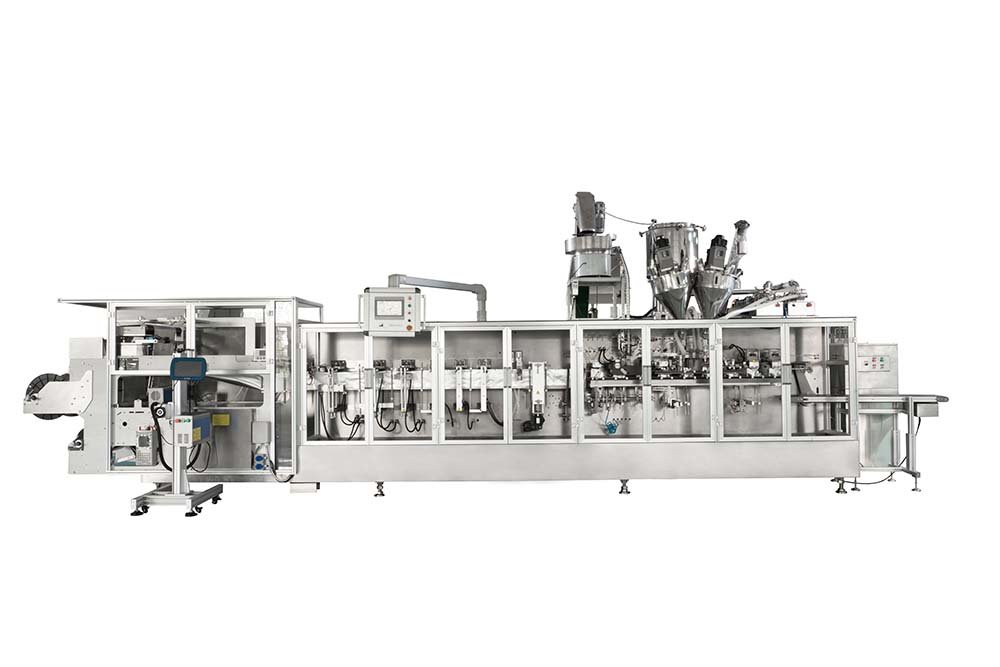
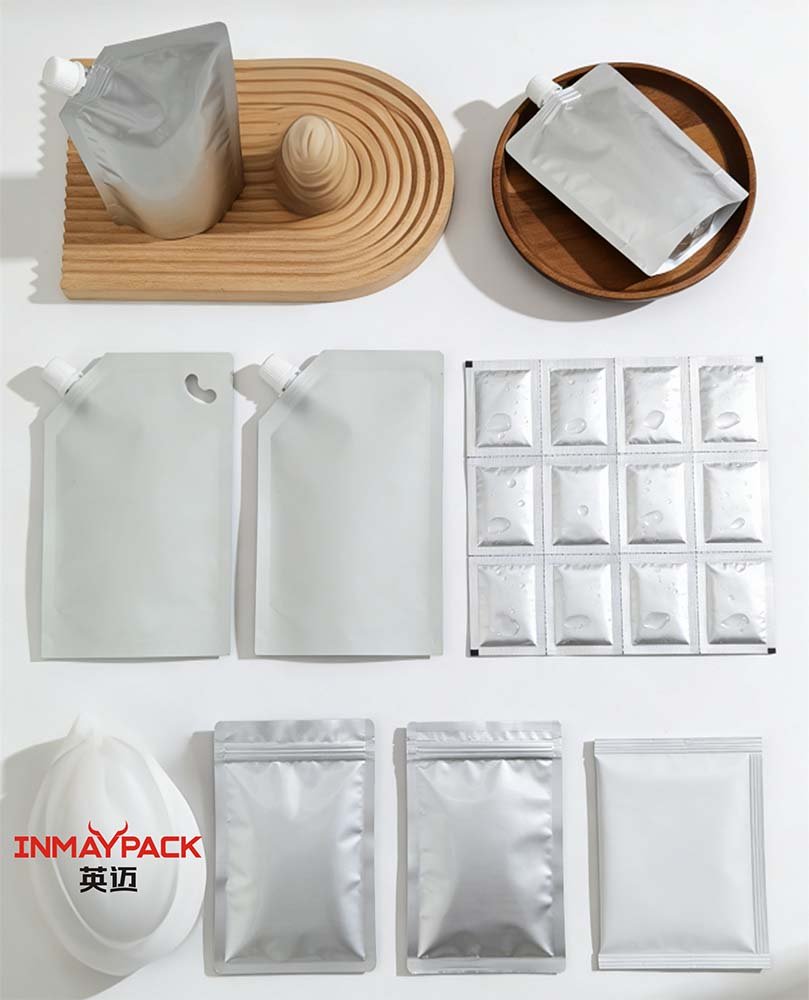
A granule packaging machine can form flat sachets, narrow stick packs or stand-up pouches from roll film, or fill supplied premade pouches. The package route and dosing method are separate decisions that must work as one timed process.
This page covers free-flowing and piece-based products in flexible packaging, including rice, beans, seeds, salt, sugar, candy, nuts, snacks and dry pet food. Individual bar wrapping, bottle filling, open-mouth sacks and bulk bagging are outside this page's scope.
Selection rule: define product behavior and the finished package first, choose the dosing principle second, then verify the complete system with representative product and packaging material.
Each route below serves a different purchasing requirement. Use the linked product family for model-specific details only after the application route is clear.
For doypacks formed, filled and sealed within one HFFS line. Review film, gusset, product settling and top-seal cleanliness together.
Review the stand-up pouch route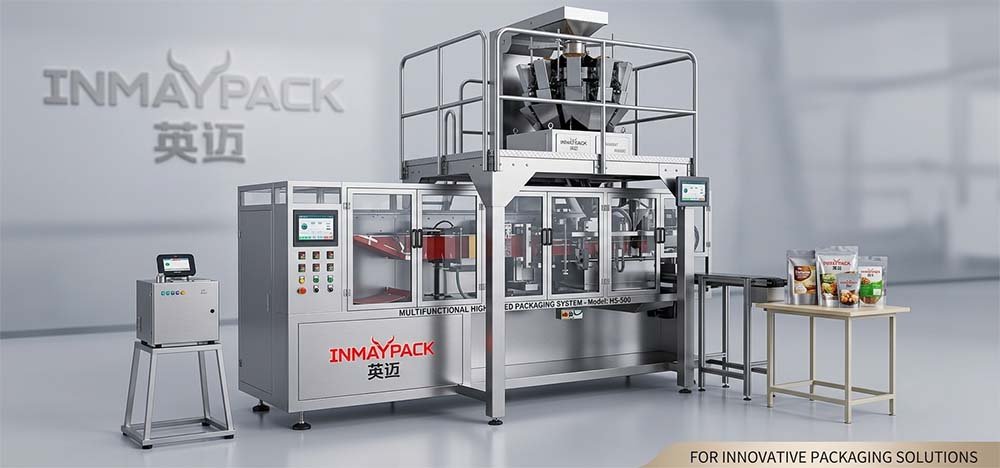
For small 3-side or 4-side seal portions formed from roll film with a project-matched dosing unit.
Compare flat sachet systems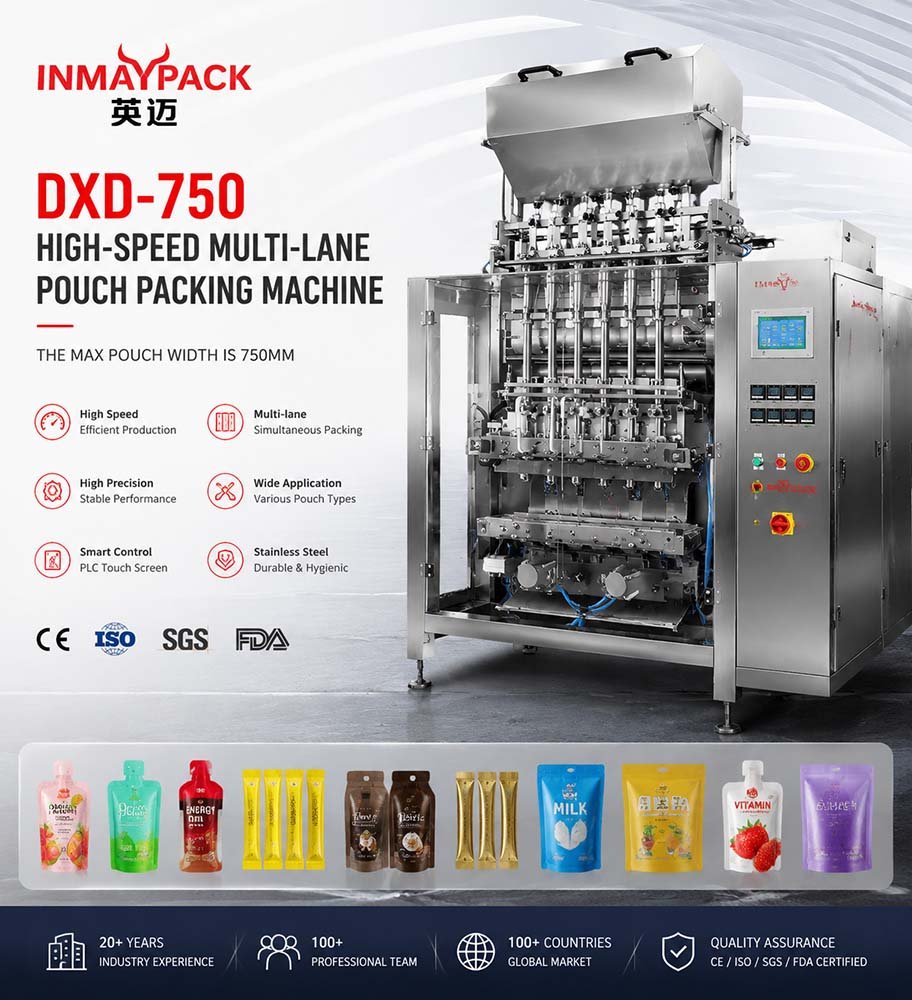
For small portions where lane count, web layout, cross-lane dosing and downstream collection define the project.
Explore multi-lane formats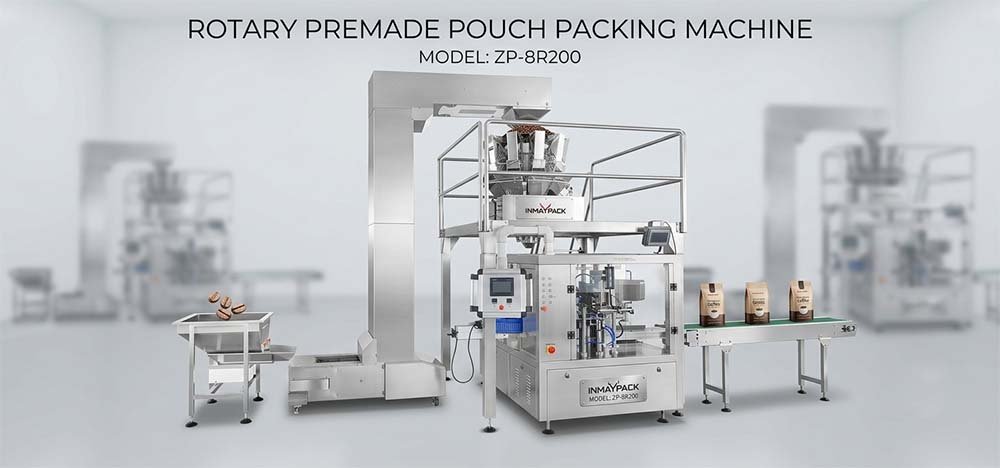
For supplied flat, stand-up or zipper pouches that need controlled pickup, opening, filling, sealing and discharge.
Review premade pouch fillingMetering performance depends on particle size distribution, flow stability, breakage, oil, stickiness and refill behavior. A representative trial should confirm both dose control and finished-pack quality.
| Dosing principle to evaluate | Useful starting condition | What the test must confirm |
|---|---|---|
| Volumetric cup dosing | Free-flowing product with sufficiently stable bulk density within the approved range. | Cup volume, refill consistency, product damage, cutoff, changeover and accepted pack weight. |
| Multihead weigher packing system | Piece-based or mixed products where controlled weight combinations guide the decision. | Product distribution, breakage, target weight, giveaway basis, discharge timing and filler-to-pouch handoff. |
| Linear weighing | Free-flowing dry products where a simpler weighing route may fit the project. | Feed stages, cutoff, target range, discharge timing, product condition and accepted output. |
| Application test before selection | Fragile, sticky, oily, dusty or irregular products, or a wide product range. | Representative samples, priority SKUs, cleaning, contact surfaces, package presentation and defect criteria. |
Record bridging, surging, segregation and changes caused by hopper level or upstream feeding.
Check breakage, fines, oil, coatings and abrasion through feeding, dosing and discharge.
Define fill height, package presentation and the time allowed before sealing or closing.
List allergens, flavor carryover, access points, removable parts and release checks after changeover.
My Insight
A weigher or volumetric cup can repeat correctly in isolation and still produce poor finished packs if discharge timing disturbs the pouch, breaks the product or leaves material in the seal area. Validate the complete handoff from product feed to sealed package.
Application names help define likely risks, but they do not replace a product sample, controlled pack drawing and acceptance test.
A rice packaging machine, beans packaging machine or seed packaging machine should be reviewed for flow stability, breakage, dust, target weight, pack size and sealing contamination.
Confirm bulk-density variation, humidity sensitivity, abrasion, package barrier, dosing repeatability and cleaning requirements before selecting the route.
A candy packaging machine or snack packaging machine may need weighing, gentle handling, oil control, mixed-piece distribution, zipper pouches or retail presentation checks.
Compare snack packaging machine systems
For hard candy and mixed assortments, compare candy pouch packaging systems by weight, count, product behavior and finished pack. For sticky, oil-coated, sugar-coated or fragile gummies, use the separate gummy filling and pouch packaging route.
Dry kibble, treats and freeze-dried products require product-specific review of piece size, oil, dust, fragility, dosing and finished-pack presentation. Use the pet food packaging machine selection guide to compare commercial systems, then follow the dog food packaging machine guide to define product damage, coating, dose, pouch and accepted-output evidence before fixing the model.
Frozen vegetables, fruit, dumplings, seafood pieces and mixed IQF products add product-condition, clumping, moisture, breakage and cold-chain handling requirements. Compare IQF frozen food packaging systems before selecting the weighing and pouch route.
The filler, primary package machine and surrounding equipment must be quoted against one controlled requirement. A lower machine price can reflect a different supply boundary rather than an equivalent solution.
Use the turnkey packaging solutions page when the project includes inspection, conveying or secondary packaging beyond the primary packer.
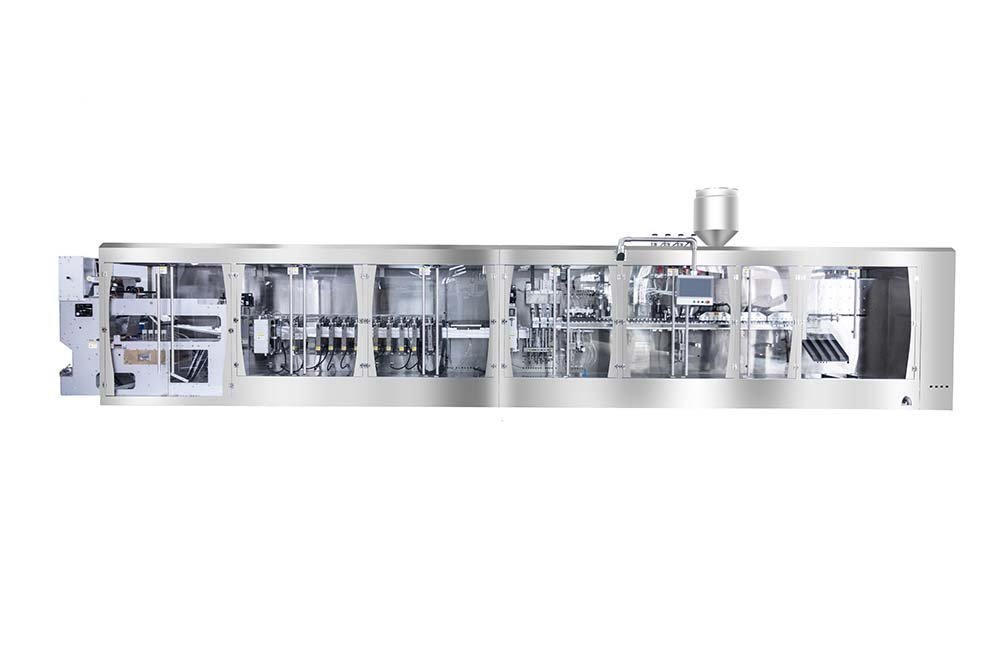
Record the product, package material, machine configuration, run condition, inspection method and defect rules before FAT. Compare suppliers on the same accepted-output basis.
| FAT record | Minimum evidence | Reason it matters |
|---|---|---|
| Controlled inputs | Representative product, packaging material, pack drawing, target weight and approved settings. | Results cannot be compared if the test inputs change. |
| Finished-pack checks | Weight method, seal or closure condition, code, cut, appearance, leakage or other agreed defects. | Filler repeatability alone does not prove acceptable packages. |
| Accepted output | Run duration, total packs, accepted packs, rejected packs, stops and calculation method. | This separates headline cycle rate from saleable production. |
| Change and recovery | Defined product or format change, cleaning, restart checks and recipe control. | Real production includes changeover and restart conditions. |
A product name and requested price do not define the equipment. A short application package lets engineering compare the correct route and identify missing tests early.
Email: sales@ewpackmachinery.com | WhatsApp: +86 186 5879 9162
A granule packaging machine combines a dosing system with equipment that forms a flexible package or handles a premade pouch, fills the measured product and closes the package. The route may use flat sachets, stick packs, stand-up pouches or supplied premade bags.
Volumetric cups can be a useful starting route for free-flowing products with stable bulk density. Multihead or linear weighing may suit piece-based products where weight combinations guide the decision. The actual product, target weight and accepted-pack test should confirm the choice.
The route depends on product size, fragility, oils, target weight, package presentation and output. Small portions may use sachets or multi-lane formats. Retail products may use roll-film stand-up pouches or premade zipper pouches. Individual bar wrapping is a different packaging process.
Output depends on product feeding, dosing, package dimensions, machine architecture, film or pouch handling, sealing, inspection and the agreed defect rules. Compare accepted saleable packs under the same test conditions, not only a headline cycle rate.
Send representative product information or samples, target weight, package drawing and material, priority formats, accepted output, utilities, required inspection, downstream interfaces and the FAT method you expect.
For a broader application decision across granules, powders, liquids, sauces and different pouch formats, use the food packaging machine selection guide before fixing the filling and package route.