
Multihead weigher
packing machines
INMAYPACK multihead weigher packing machines combine product feeding, portion weighing and pouch packing. Configure the hoppers, discharge path and HFFS or premade-pouch platform for your product and target weight.
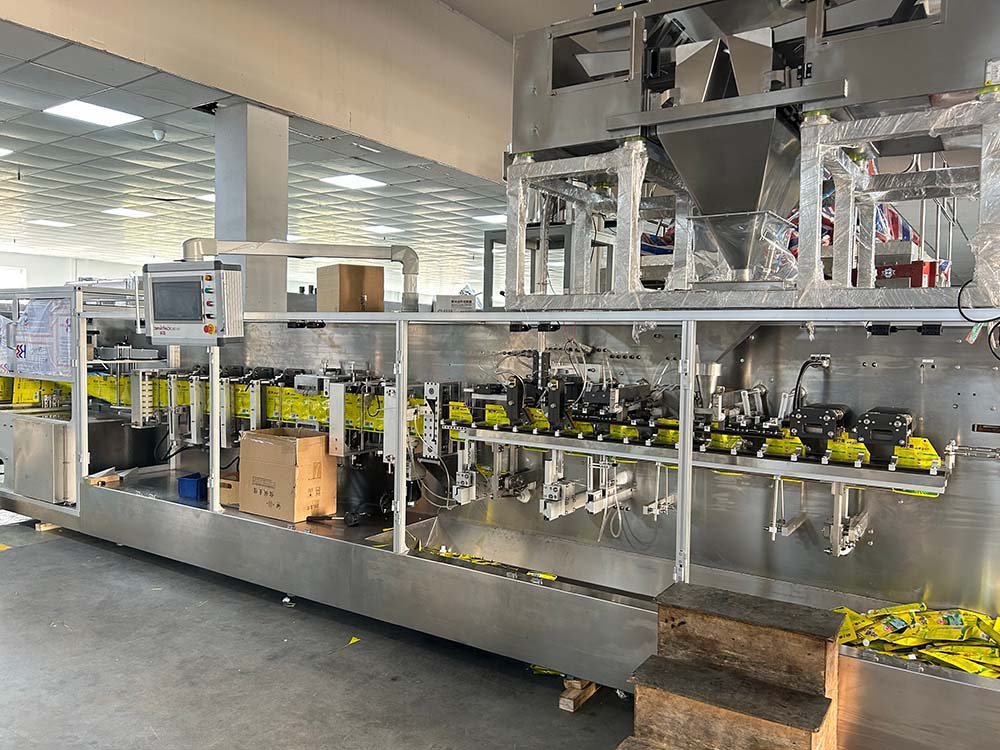
Connect the weighing line
A multihead weigher packing machine coordinates portion weighing with pouch forming or supplied-pouch handling.
The useful purchase is not a fast scale beside an unrelated bagger. Product distribution, hopper choice, discharge timing, bag opening, filling, sealing and inspection must be tested as one line.
Product and package scope
Configure combination weighing for discrete solids and granules packed in flexible pouches. Powder, liquid, paste, bottle, tray and bulk-sack projects follow a separate metering and packaging review.
Follow each product handoff
A stable combination weight is useful only when the product reaches the weigher consistently and the downstream machine accepts every discharge without contaminating or missing the pouch.
- Product supplyBulk condition, refill method, piece size, oil, frost, stickiness and breakage.
- ElevationFeed conveyor or bucket elevator sized for the product and refill demand.
- DistributionTop cone and radial feeding that keep weigh hoppers supplied without damage.
- CombinationTarget weight, hopper selection, tolerance logic and product giveaway.
- DischargeChute, timing and product path matched to the pouch opening and cycle.
- Pack acceptanceSeal quality, net-weight checks, rejects, counts and recorded FAT evidence.
Configure the weighing module

14-head combination weigher
A 14-head, 1.6 L combination-weigher configuration connects to the HMK420 pouch platform. Select product supply, hopper tooling, the elevator, discharge path and packaging interfaces for the required product and target weight.
Operating conditions. Select the weighing rate and accuracy for the product, target weight and discharge conditions. Record accepted pouch output separately during the integrated line trial.
Match your product conditions
Send samples from the hardest expected condition. A dry, free-flowing sample can hide problems that appear with oil, seasoning, frost, fines, static, broken pieces or an unstable refill process.
When a simpler weighing route is also being quoted, use the multihead weigher vs linear weigher guide to compare product flow, target weight, giveaway, output and FAT evidence on the same basis.
Free-flowing pieces
Candy, nuts, dry beans, dry rice, cereal pieces and many dry snacks may suit combination weighing when piece size, fragility and target dose are compatible with the selected hoppers and feed system. For kibble, review the complete dry dog food packaging route, including feed, discharge, pouch opening, breakage and final-pack acceptance. For kernels, coated nuts and mixed recipes, use the nut-specific packaging brief to define product damage, component proportions and pouch acceptance.
Sticky or coated products
Gummies, seasoned snacks and oil-coated products can bridge or cling. Confirm contact surfaces, feeder motion, hopper discharge, cleaning access and recovery after short stops.
Frozen and moist pieces
Frost, free water, clumping and temperature change can alter feeding and weighing. Review washdown, drainage, dwell time and the condition used during the acceptance test.
Fragile products
Chips and brittle pieces need controlled drop heights, gentle distribution and a defect definition that records breakage as well as net weight.
For chips and other brittle snack pieces, use the sampling and acceptance checks for fragile snacks to compare the incoming baseline, post-weighing samples and finished pouches. Assess product condition together with accepted output rather than relying on net weight alone.
Mixed products
A blend is not automatically stable. Define component ratios, segregation limits, presentation to the weigher and how the finished mix will be sampled.
Use another filler when
Fine powder, liquid, paste or a product that cannot discharge repeatably may need an auger, cup, piston or rotor-pump route instead of a standard combination weigher.
Choose the pouch route
The same weigher can require different chutes, timing, access and line controls when the downstream machine changes. Quote the complete route, not a disconnected list of components.
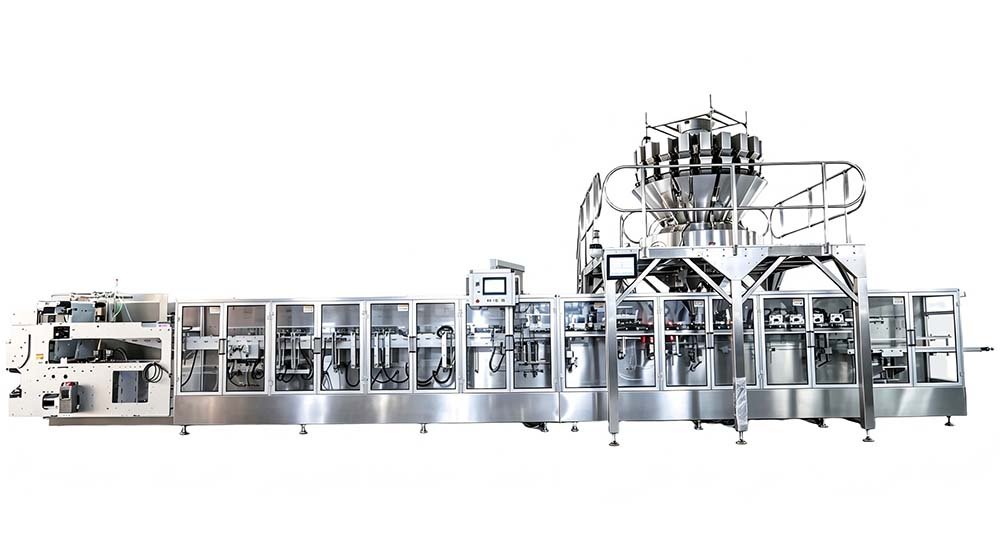
HFFS Doypack line
Roll film is formed into a stand-up pouch. Coordinate discharge timing with pouch formation, opening, fill access and seal-area control.
Review HFFS systems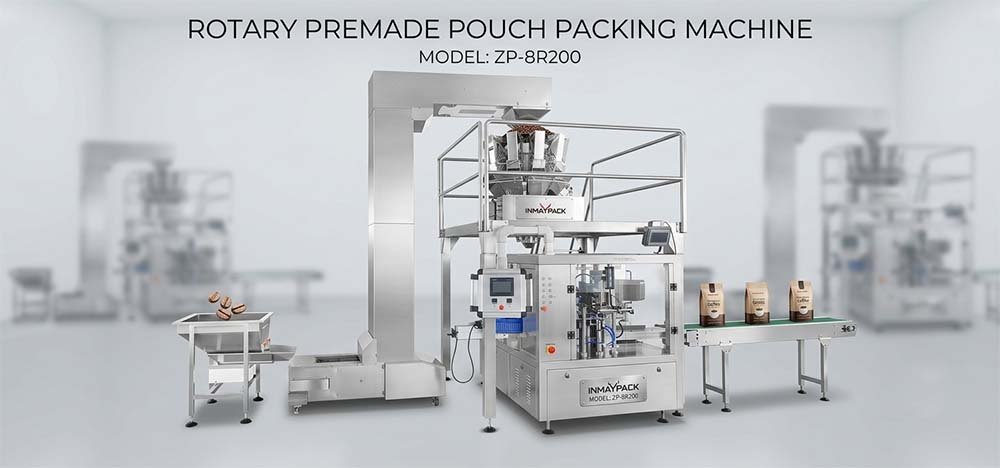
Premade pouch line
Finished pouches are picked, opened and presented before filling. Confirm pouch stiffness, opening success, zip handling and product drop.
Review premade pouch systemsApplication-specific line
Frozen food, gummies and fragile snacks need different product-contact, transfer and acceptance rules even when the basic weighing principle is similar.
Compare food applicationsSet the selection inputs
On smaller screens, scroll this table horizontally to read every column.
| Decision | What to provide | Why it changes the configuration |
|---|---|---|
| Product condition | Photos, samples, temperature, moisture, oil or seasoning, fragility, fines and worst-case batch. | Changes feeding, contact finish, hopper behavior, cleaning and achievable cycle. |
| Target weight | Nominal weight, legal tolerance, giveaway target and sampling rule. | Changes hopper size, combination availability and accepted accuracy. |
| Package | Pouch drawing, material, opening dimensions, zipper, filled shape and physical samples. | Controls chute access, discharge timing, contamination risk and sealing recovery. |
| Output | Good packs per minute or hour, operating period, refill method and allowable rejects. | Determines the slowest required station and buffer strategy. |
| Cleaning | Allergen change, washdown method, chemicals, inspection points and allowed downtime. | Changes surfaces, access, removable parts, drainage and changeover scope. |
| Integration | Upstream delivery, downstream equipment, coding, inspection, reject and line signals. | Defines interfaces, permissives, faults, restart logic and FAT evidence. |
Compare volumetric dosing with the cup filler versus multihead weigher guide when bulk density and target fill volume are part of the decision. Use the same product, finished-weight limits and required pouch output when comparing proposals.
Measure accepted pack output
The line result is limited by its slowest proven handoff. Product refill, hopper recovery, missed pouches, seal contamination, rejects and planned checks belong in the same test record.
Count conforming finished pouches over the agreed elapsed test interval. Include product refill, planned checks, short stops and rejected packs in the same production record.
Record during the trial
- Product batch and operating condition
- Target weight and actual sampled results
- Refill events and hopper starvation
- Product damage, fines and rejected packs
- Missed or incompletely opened pouches
- Seal contamination and seal defects
- Planned stops, faults and restart losses
- Test duration and accepted-good output
Define the control interfaces
A complete line needs more than a shared start button. Agree the conditions that allow each station to run, the signals that stop or starve it, and the sequence used to recover without releasing an incomplete or unverified pack.
Run permissives
Define ready, run, hold and stop states between elevator, weigher, pouch machine, coder, inspection and downstream equipment. A missing pouch or unavailable downstream station should have one agreed response.
Recipe ownership
State which settings belong to the product recipe, who may change them and how the selected pouch program stays aligned with target weight, discharge timing and inspection limits.
Fault recovery
Test hopper starvation, product bridging, missed discharge, incomplete pouch opening, seal fault and downstream stop. Record whether product or pouches must be cleared before restart.
Counting and reports
Separate weigh cycles, pouch cycles, good packs and rejects. Confirm which counter controls production reporting and how a rejected or missing pouch affects the total.
Inspection interface
Define the checkweigher, metal detector or other inspection boundary, including reject confirmation, reject-bin status and the action when the inspection device is unavailable.
Future downstream scope
If cartoning, case packing or collection will be added, reserve the physical handoff, signal list, accumulation rule and accepted discharge condition before freezing the line layout.
Plan cleaning and changeover
Product-contact design and cleaning access should follow the actual food, allergen, coating and operating environment. A short nominal changeover time is not useful unless the approved cleaning work and restart checks are included.
Changeover evidence
- Parts removed and tools required
- Hopper, feeder and chute access
- Dry clean, wipe-down or wash method
- Allergen or recipe-change verification
- Drainage and drying where water is used
- Recipe, target and pouch setup checks
- First-off weight and seal approval
- Time measured from last good pack to next good pack
Prepare an itemized quotation
Real samples
Piece dimensions, bulk density, surface condition, temperature, fragility, recipe extremes and refill method.
Acceptance rule
Nominal dose, permitted deviation, giveaway objective, sample frequency and reject logic.
Controlled format
Drawing, material, size range, zipper, opening, target fill level, artwork and physical samples.
Good-pack target
Required output, shift pattern, test duration, allowable stops, rejects and downstream condition.
Cleaning boundary
Food-contact requirements, allergen plan, washdown method, access and changeover interval.
Site conditions
Voltage, frequency, compressed air, room height, floor loading, access and environmental limits.
Line interfaces
Signals, recipes, permissives, faults, coding, inspection, reject confirmation and data needs.
FAT deliverables
Samples, video, records, checks, open-item closure, manuals and training requirements.
Define the quotation scope
Itemize the weigher, product feed, platform, elevator, chute, pouch machine and required controls. List inspection, coding, collection and format tooling separately. Identify customer-supplied utilities, upstream/downstream equipment and installation access; agree sample trials, documentation, training and shipment responsibilities in the project quotation.
Agree the factory acceptance
Before the run
Freeze the product, target weight, pouches, recipe, equipment boundary, staffing, refill method, test duration and defect definitions.
During the run
Record weigh performance and finished-pack performance separately. Include stops, refills, damage, rejects, seal checks and restart behavior.
Before shipment
Close deviations, confirm the issued configuration and collect approved records, videos, drawings, manuals, spare-parts scope and handover actions.
Multihead weighing questions
Which products suit multihead weighing?
Combination weighers are commonly evaluated for discrete solids and granules such as snacks, candy, gummies, nuts, beans, cereal pieces, pet-food kibble and some frozen pieces. Suitability still depends on real product flow, stickiness, fragility, temperature, piece size, target weight and cleaning requirements.
Does weighing speed equal pouch output?
No. The 120 weighments/min figure describes the theoretical speed of the documented 14-head weighing component. Finished-pouch output is established with the product supply, discharge, pouch handling, sealing, inspection, stops and agreed acceptance checks operating together.
Should I choose HFFS or premade pouches?
Use the finished package and operating priorities to decide. HFFS forms the pouch from roll film; a premade-pouch machine handles supplied finished pouches. Compare film or pouch cost, format, zipper and opening requirements, changeover, output and accepted finished-pack evidence.
How are sticky or fragile products handled?
Select hopper surfaces, feeder motion, drop height, discharge geometry and cleaning access for the product. Use the hardest expected condition in the trial and define acceptable sticking, damage and finished-pack weight before approving the configuration.
Is a checkweigher the same as a multihead weigher?
No. A multihead combination weigher portions product before it enters the package. A checkweigher inspects a finished or filled pack against an acceptance rule. Their results and responsibilities should be recorded separately.
What is needed for a weighing-line quotation?
Send product samples and condition, target weight and tolerance, pouch drawings and samples, required good-pack output, refill method, cleaning plan, utilities, line interfaces and the FAT evidence you expect before shipment.
Discuss your weighing project
Send INMAYPACK the product, target weight, pouch, good-pack output, cleaning boundary and FAT basis. We will review the weigher, feed system, discharge path and pouch machine as one configured project.
- Product photos and physical samples
- Target weight and tolerance
- Pouch drawing and samples
- Required good packs/hour
- Cleaning and allergen plan
- Utilities and room limits
- Upstream/downstream interfaces
- FAT test and evidence requirements