
INMAYPACK · Equipment and project support
Packaging Machine Service & Support
Plan the handover. Support the production.
Bring factory acceptance testing, installation, training, diagnostics and spare-parts planning into your packaging project. INMAYPACK reviews support around the delivered machine, your product and your production site.
- Factory acceptance testing
- Installation & training
- Remote diagnostics
- Spare-parts planning
Buying equipment? Send the project brief. Requesting service? Send the machine identity and fault evidence.
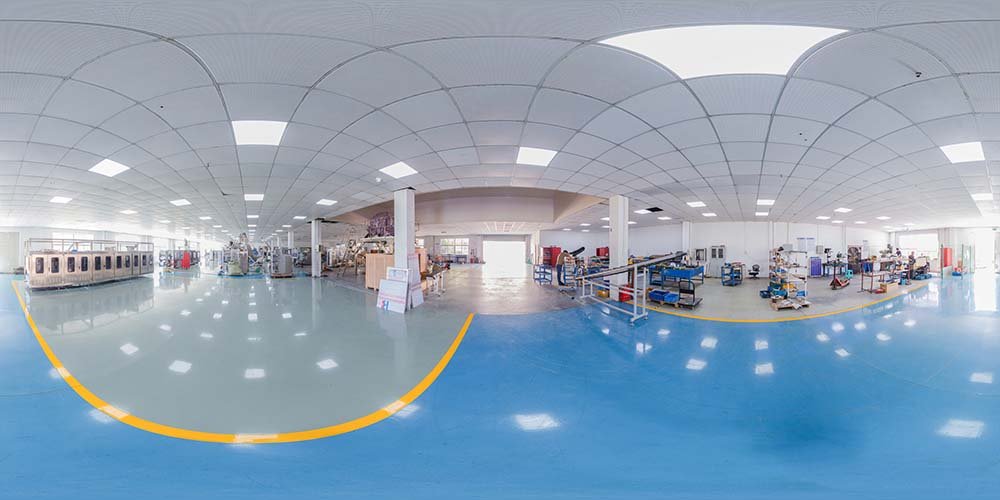
Packaging machine support explained
From the factory test to production handover.
INMAYPACK packaging machine service and support can include factory acceptance testing (FAT), installation and commissioning, operator and maintenance training, remote diagnostics, spare-parts planning and quoted on-site work.
A useful support plan connects the approved equipment to the product, packaging material, operating conditions and site interfaces. Keep manuals, drawings, recipes and test records matched to the delivered configuration so they can support later troubleshooting.
Coverage, warranty, service duration, travel, charges and responsibilities are confirmed in the quotation, contract and handover documents for your project.
Six support areas
Build the service package around your equipment.
Select the support tasks that your team needs and record their scope alongside the machine proposal.
01 · Pre-shipment
Factory Acceptance Testing
Agree the product and packaging material, run conditions, test duration, quality checks and accepted-output criteria before the trial.
02 · Site startup
Installation & Commissioning
Review utilities, placement, connected equipment, guarding responsibilities, startup tasks and site acceptance.
03 · Operating knowledge
Operator & Maintenance Training
Plan setup, recipes, changeover, cleaning, inspection and maintenance training for the delivered equipment.
04 · Fault review
Remote Diagnostics
Share alarms, screenshots and clear video. Agree the communication route and any permitted remote-control access.
05 · Maintenance readiness
Spare-Parts Planning
Identify commissioning, wear and critical spares against exact component codes and installed revisions.
06 · Field work
Quoted On-Site Service
Discuss the required work, availability, destination, travel, charges and restart checks before an engineer visit.
Factory acceptance testing
Review the finished pack before shipment.
A FAT demonstrates the agreed functions under recorded factory conditions. Use the approved product and film, premade pouch, capsule or other package components where agreed, and identify any substitute material used.
- Record the model, filler, tooling and included equipment
- Agree run duration, finished-pack output and reject rules
- Check dose, package handling, sealing and selected inspection
- Review agreed alarms, recovery and changeover functions
Use the packaging machine FAT checklist to prepare your project review.
Discuss your test and handover priorities.
Share the product, packaging material and checks your production team needs.
Installation, commissioning and training
Prepare the site. Prepare the operators.
Plan the support around your utilities, layout, personnel and selected equipment interfaces.
Setup & operation
Recipes and daily operation
Review machine setup, recipes, normal running, replenishment and alarm reporting for the confirmed configuration.
Formats & cleaning
Changeover and cleaning tasks
Identify approved format parts, changeover sequence, cleaning access and checks before returning to production.
Maintenance & records
Inspection and parts identification
Review the machine-specific maintenance plan, permitted tasks, component identification and service records.
Include startup support in the equipment proposal.
Confirm the destination, installation conditions and training needs before shipment.
Remote diagnostics
Send useful evidence. Review the next action.
Start with the machine identity and recorded symptom. Remote-access support depends on the delivered controls and your permitted access arrangements.
01 · Machine identity
Model and serial number
Send the model, serial number, configuration and installed component revision where relevant.
02 · Production conditions
Product and package
Name the affected product, dose, film or pouch, format and current operating conditions.
03 · Recorded symptom
Alarms and clear video
Share the exact alarm, HMI screenshot and a video showing the observed fault and machine area.
04 · Known baseline
Last stable run
Record the last accepted recipe, settings and the conditions when production was stable.
05 · Recent work
Changes and maintenance
Describe a format change, new material, cleaning, maintenance or recently replaced component.
06 · Required outcome
Recovery priorities
Explain the production impact, requested recovery date and the help your team needs.
Use the delivered machine manual and your site procedures for inspection, isolation and restart. Confirm the applicable support route with INMAYPACK before changing controlled settings or replacing components.
Packaging machine spare parts
Identify the right part for the installed machine.
Send the serial number, part code or label, clear photo, quantity and required date. Availability, pricing and delivery are confirmed for the exact component.
Commissioning spares
Prepare for installation
Agree any initial consumables and setup parts needed for the supplied machine and commissioning plan.
Wear parts
Plan routine replenishment
Review seals, suction cups, belts and other applicable wear items against the machine-specific parts list.
Critical spares
Review downtime-sensitive items
Identify components whose failure or lead time could interrupt your production. Confirm the exact code, installed revision and stocking responsibility.
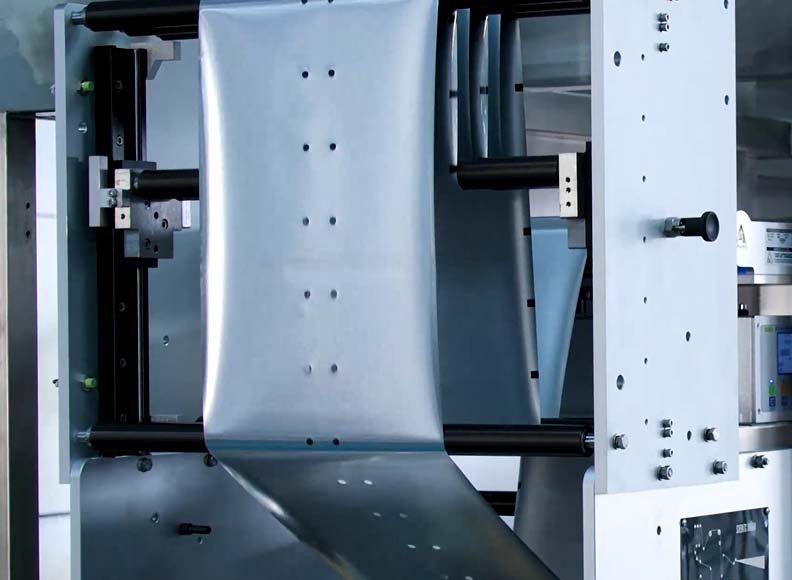
Film-path components
Use the installed parts list to identify film-feed and forming components for the selected roll-film machine.
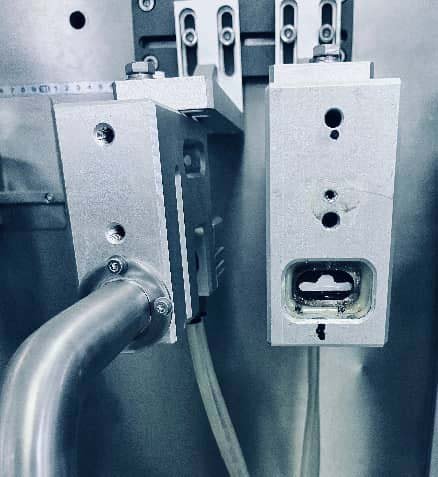
Pouch-opening components
Identify the supplied suction cups, gripping and opening components with their part codes and dimensions.
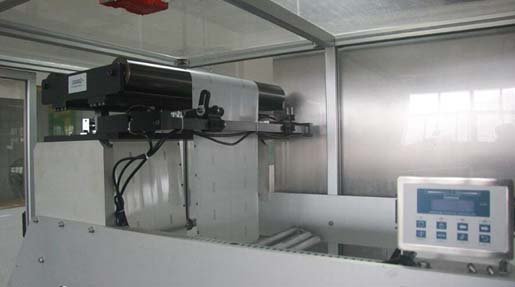
Sealing components
Confirm the installed jaw, heater, sensor and other applicable sealing-part identities before ordering.
These are mechanism references from selected pouch equipment. Your machine and component revision control the correct spare. See the pouch packing machine spare-parts guide.
Service arrangements
Agree the support terms before the work starts.
Open each item to review the information that belongs in your quotation, contract or service agreement.
Warranty
Confirm the warranty duration, start point, covered defects, exclusions, evidence requirements and replacement-part responsibility.
Spare parts
Record the included parts, quantities, component identities, prices and replenishment or shipping responsibilities.
Training
Confirm content, language, location, participants, duration, materials and completion records.
Installation & commissioning
Agree site readiness, utilities, interface work, labor split, travel, startup checks and acceptance responsibilities.
Remote support
Agree the contact channel, fault evidence, supported controls and permission for any remote-access method.
On-site service
Confirm availability, quoted charges, travel and accommodation, work scope, parts and restart checks.
Post-warranty support
Confirm the available technical channels, diagnostics, spare-parts supply and quoted field service for the installed machine.
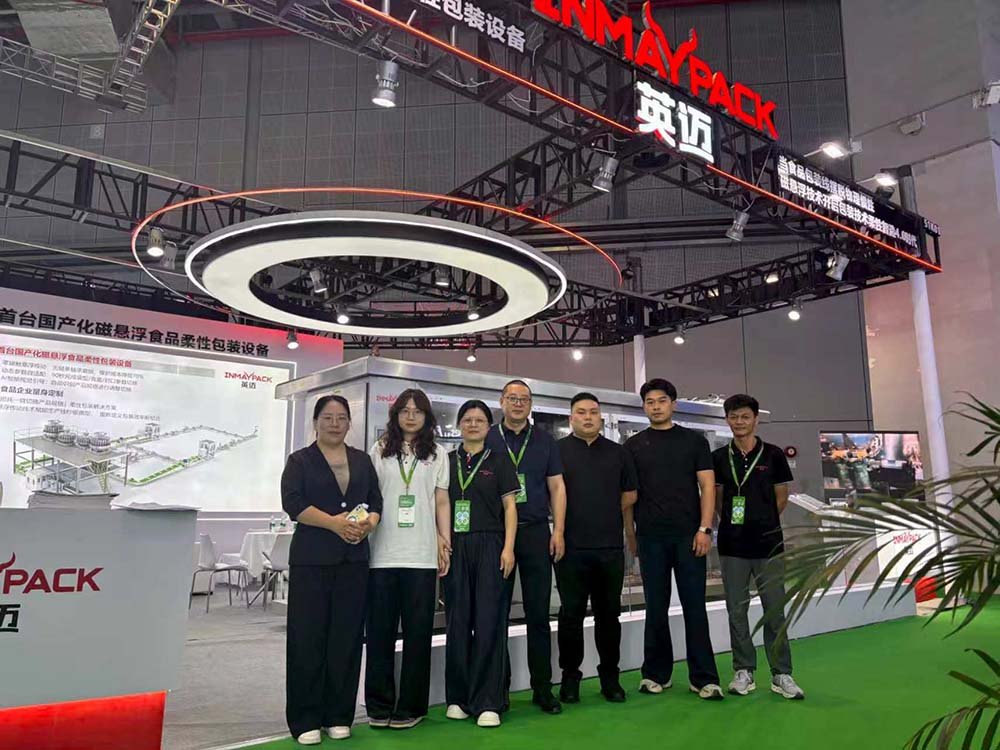
Engineering communication
Keep the support conversation connected to your machine.
Send the configuration, production conditions and evidence together so the relevant equipment and service needs can be reviewed. Keep an agreed record of the action, required parts and checks after the work.
For a new project, discuss the equipment and service scope together. Review turnkey packaging solutions for connected equipment, or Why INMAYPACK for company and application capabilities.
For an installed machine, send your request to sales@ewpackmachinery.com or use WhatsApp +86 186 5879 9162.
Buyer and operator questions
Packaging machine service & support FAQ.
What does INMAYPACK packaging machine service include?
The service package can include FAT, shipment handover documents, installation and commissioning, operator and maintenance training, remote diagnostics, spare-parts planning and quoted on-site work. Confirm the included tasks, charges and responsibilities for your machine.
What warranty does INMAYPACK provide?
Warranty duration, start point, covered defects, exclusions, evidence requirements and replacement-part responsibilities follow the valid quotation, contract and handover documents for the delivered machine.
How quickly can spare parts be supplied?
Availability and delivery depend on the exact component, installed revision, stock status, destination and shipping route. Send the machine serial number, part code or photo, quantity and required date for confirmation.
Does INMAYPACK provide installation and operator training?
Installation, commissioning and training can be included in the approved project scope. Agree site readiness, utilities, labor responsibilities, travel, training language, content, participants and duration for your configuration.
Can INMAYPACK diagnose a machine remotely?
Remote support can use the agreed contact channel, screenshots, alarms and video. Any remote-access method depends on the supplied controls and your permitted access arrangements. Send the machine identity and recent changes first.
What should a factory acceptance test include?
A FAT should define the product and packaging material, machine configuration, run conditions, duration, dose and seal checks, accepted output, rejects and retained evidence. Identify deviations and any checks that remain for site acceptance.
Is support available after the warranty period?
Post-warranty technical channels, diagnostics, spare-parts supply and quoted on-site service follow the agreed support scope for the installed machine. Ask for confirmation of the requested work, component availability and charges.
Should I discuss service before buying a machine?
Yes. Include FAT, shipment documents, installation, commissioning, training, parts and support requirements in the equipment discussion. This helps your production team prepare the site and understand the handover responsibilities.
Useful engineering guides
Prepare the information for your next service decision.
Installed machine support
Send the machine identity. Show the support need.
Include the model and serial number, product and package, alarm history, clear photos or video, recent changes and required recovery outcome.
sales@ewpackmachinery.com · +86 186 5879 9162