
A VFFS maintenance checklist should follow the film and product paths: unwind and registration, forming shoulder and tube, film pull, longitudinal sealing, cross sealing and cutting, filler discharge, guarding, controls and downstream transfer. For every task, define what is inspected, the acceptable condition, the evidence recorded and who releases the line after work.
Do not copy fixed daily, weekly or monthly intervals from an unrelated machine. Begin with the delivered machine and component manuals, then review frequency using operating hours or cycles, product contamination, film behavior, environment, condition trends and failure consequence.
Maintain the VFFS reference chain, not a generic machine
A vertical form fill seal machine converts roll film into a tube, meters product through the forming tube, closes the longitudinal and cross seals, and separates the finished bag. Maintenance at one station can change the condition seen at the next.
Unwind and registration
Roll mounting, tension, rollers, tracking, print-mark sensing and film pull references.
Shoulder and tube
Clean contact surfaces, alignment, fasteners, forming geometry and format repeatability.
Longitudinal and cross seals
Jaw faces, covers, heaters, sensors, wiring, pressure, cooling and contamination control.
Cut, inspect and discharge
Knife condition, timing, guards, code and inspection interfaces, reject logic and takeaway.
Use the vertical form fill seal machine guide first if the machine route or bag-forming sequence is not yet clear. Use the existing pouch packing machine preventive maintenance guide for horizontal roll-stock doypack systems; their forming and pouch-transfer architecture is different.
Separate observation, adjustment and servicing before work begins
A maintenance list does not replace the machine manual, the site risk assessment or the destination-market safety requirements. Define which tasks require energy isolation, who is authorized, how stored energy is controlled and how isolation is verified.
Identify every energy source
Electrical supply, compressed air, vacuum, gravity, heated seal assemblies, moving mechanisms and stored mechanical energy can create different servicing boundaries.
Protect reference positions
Before removing a forming set, sensor, belt, jaw, encoder or knife assembly, record the approved recipe and any machine-specific reference needed for controlled restoration.
For U.S. workplaces, OSHA 29 CFR 1910.147 addresses servicing and maintenance where unexpected energization, startup or release of stored energy could cause injury. It requires an energy-control program, procedures and training within its scope. Other markets and sites may impose different or additional requirements.
Define an observable acceptance condition for every task
“Clean,” “check” and “lubricate” are incomplete instructions unless the method, installed part, acceptable condition and evidence are known. Use the delivered configuration to complete this framework.
Film unwind and web path
InspectRoll seating, braking or tension device, roller surfaces, free rotation, alignment, debris and film-edge condition.
Release evidenceStable tracking and tension with the approved film; no growing edge damage, abnormal drag or repeated offset correction.
Registration and film pull
InspectPrint-mark sensor, encoder or length reference, pull belts or rollers, contact condition, pressure and recipe values.
Release evidenceBag length and print position repeat under the approved recipe without unexplained correction or belt slip.
Forming shoulder and tube
InspectCleanliness, contact damage, fasteners, tube position, forming surfaces and repeatable format installation.
Release evidenceFilm forms without new scuffing, wrinkles, skew or longitudinal-seal displacement.
Longitudinal seal
InspectSeal face and cover, heater, temperature sensor, wiring, actuator movement, pressure path and contamination.
Release evidenceSeal geometry and integrity meet the approved package test under the specified film, temperature and production condition.
Cross seal and knife
InspectJaw faces, covers, alignment, heater and sensor condition, knife or cutter, guards, fasteners and product trapping.
Release evidenceCross seals and cuts repeat at the approved position with no new contamination, tearing, contact damage or unsafe exposure.
Filler interface
InspectProduct discharge, timing reference, cutoff or gate behavior, mounting, communication signals and low-product or no-fill logic.
Release evidenceProduct enters the bag without abnormal impact, stringing or dust in the seal area, and the bagger/filler sequence remains synchronized.
Pneumatics and controls
InspectFilters, drains, regulators, leakage, valves, cabinet condition, cooling, alarm history, backups and authorized changes.
Release evidenceUtilities remain inside the machine-specific operating window; current backups are recoverable and recurring alarms have owners.
Guards and downstream
InspectDoors, interlocks, emergency devices, discharge chute, conveyor handoff, inspection and reject interfaces where installed.
Release evidenceSafety functions and agreed line handshakes are verified using the site-approved method before production ownership resumes.
Use package defects to choose the first inspection path
A symptom is not proof of one failed component. It is a reason to preserve evidence and inspect the connected references before changing several settings at once.
Bag length or print position drifts
Review the approved recipe, film pull contact, registration sensor condition, web tension, encoder or length reference and whether the film itself changed.
Longitudinal seal moves or wrinkles
Review film tracking, tension, forming-set cleanliness and alignment, tube position, pull symmetry and seal contact condition.
Product enters the cross seal
Review filler timing, product fall and settling, dose behavior, discharge buildup, bag length, jaw timing and the agreed production rate together.
Temperature correction keeps growing
Review sensor and heater condition, wiring, seal-face cleanliness, covers, pressure distribution, dwell or speed and film specification before accepting a new setpoint.
The first maintenance target is the reference chain
I would not start by asking which part should be replaced. I would first preserve the approved film, recipe, bag sample and alarm state, then trace the defect backward through film pull, forming, sealing and product timing. When several offsets are changed before the first comparison is recorded, the machine may restart but the original cause becomes harder to prove.
Set intervals from the installed machine and production risk
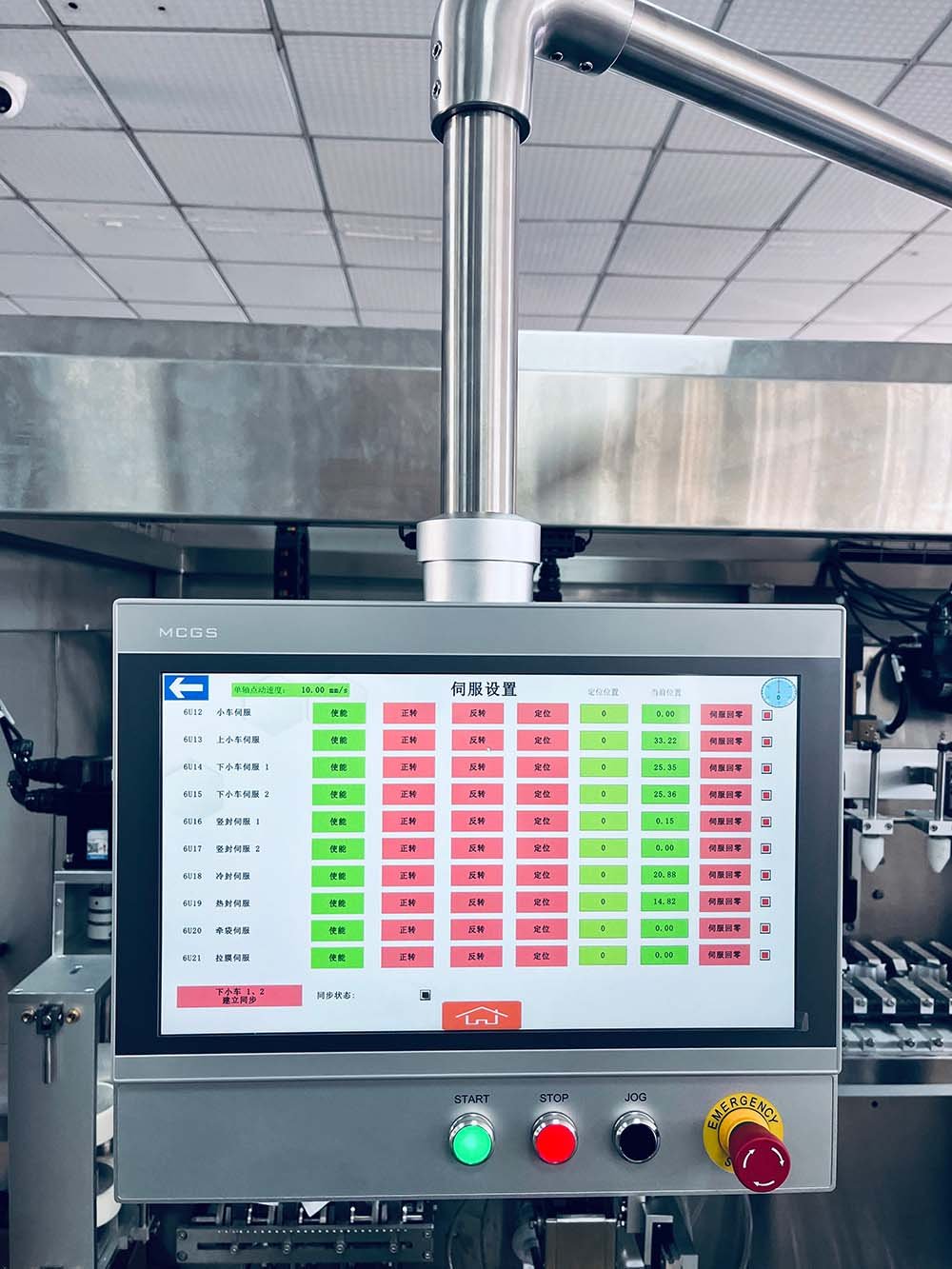
Begin with the machine manual, forming-set instructions and manuals for the installed filler, sensors, drives, pneumatic devices and seal-control components. Then review the interval when any of these inputs change:
- operating hours, cycles, shift pattern or planned production window;
- powder dust, oil, moisture, heat, washdown or other environmental exposure;
- film structure, product behavior, bag size or format-change frequency;
- condition trend, recurring alarm, correction history or defect frequency;
- failure consequence, part lead time and the ability to inspect condition safely.
A calendar can organize work, but it should not overwrite the more specific requirement supplied for the actual component or the evidence observed on the installed line.
Close the job with production evidence, not a checked box
The restart test should match the work performed. Forming-set work needs bag-geometry evidence; seal work needs the approved package-integrity method; control work needs relevant alarm, interlock and synchronization checks.
When the project is still at procurement or FAT stage, add these records, backups, installed-component manuals and critical spare-parts responsibilities to the handover package. The packaging system integration checklist helps define interfaces beyond the bagger itself.
Continue with the guide that matches the maintenance decision
VFFS machine maintenance FAQ
How often should a VFFS machine be maintained?
There is no universal interval for every VFFS machine. Use the delivered machine and component manuals first, then review frequency using operating hours or cycles, product contamination, environment, film and format changes, condition trends and failure consequence.
What should be checked first when bag length drifts?
Preserve the active recipe and film identity, then review film pull contact, registration sensing, web tension, the encoder or length reference and any recent material or format change. Avoid changing several offsets before recording the original state.
Is cleaning the seal jaw enough to release production?
No. Confirm why contamination occurred, inspect the related heater, sensor, cover, pressure and product-timing conditions, then verify the finished seal using the approved package test and production basis.
What should a VFFS maintenance record contain?
Record the machine and format identity, observed condition, work performed, changed parts, before/after evidence, applicable safety and function checks, test product and film, accepted output, deviations, owner and next review.
Can one checklist cover the bagger and the filler?
One maintenance system can coordinate them, but responsibilities and acceptance conditions should remain equipment-specific. The filler discharge, timing and communication interface must be tested together with the VFFS bagger where they affect seal contamination, bag formation or accepted output.
Primary safety reference
- U.S. Occupational Safety and Health Administration, 29 CFR 1910.147 — The control of hazardous energy (lockout/tagout). Apply only within its scope and together with site and destination-market requirements.
- The delivered VFFS machine manual, installed-component manuals, electrical and pneumatic drawings, approved recipes, format records and site energy-control procedures remain the configuration-specific sources for maintenance work.
Need a maintenance package matched to the delivered VFFS line?
Send the machine model, installed filler, film and bag formats, operating condition, alarm evidence and the maintenance decision you need to make.







