
Coffee Packaging Machine Systems
From your coffee to the finished pack.
Compare capsule, K-Cup, compatible pod, stick-pack, whole-bean, ground-coffee and secondary-cartoning routes before selecting the machine scope.
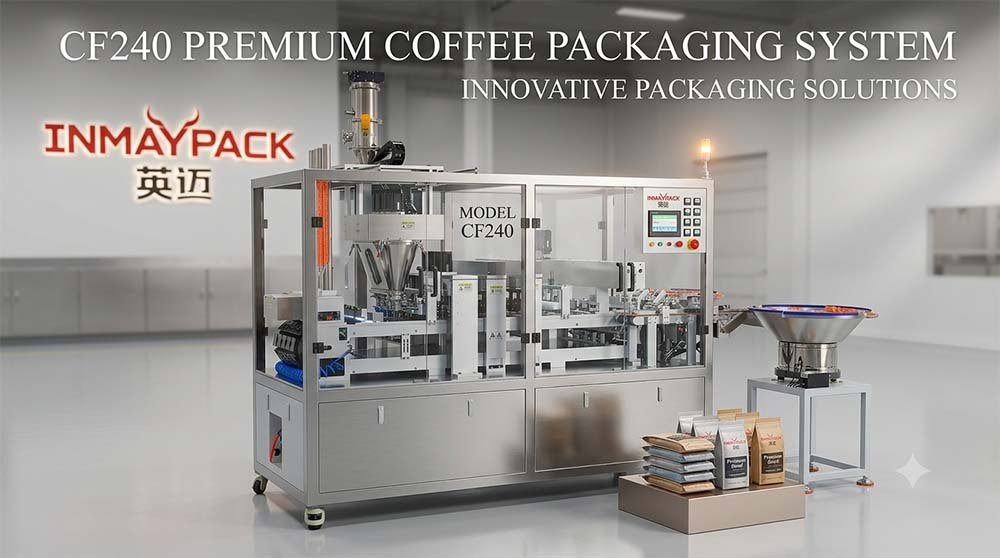
Start with your finished coffee pack.
Choose the pack you want to produce, then review the matching equipment. Your coffee, fill weight, package and output define the configuration.
Coffee capsules and K-Cups
Review component feeding, coffee dosing, lid placement and sealing with your selected capsule or cup.
Compare capsule filling systems →See K-Cup filling and sealing →Bean and ground-coffee pouches
Compare the pouch format first, then match the dosing and bag-handling system to beans or coffee powder.
Compare coffee pouch routes →Stick packs and drip bags
Choose powder sticks or a ground-coffee filter pack with an outer envelope. These use different packaging routes.
Review coffee stick machines →Review drip coffee bag machines →Still choosing the package?
Start with your coffee type, preferred pack, fill weight and target output. Send the details you have.
Complete coffee packaging machine range
Route-specific machine pages cover capsule components, roll-film packs, premade pouches, ground-coffee dosing and downstream cartoning. Open the relevant page for confirmed model details, configuration boundaries and project review.
Coffee Capsule Filling and Sealing Machine
For projects that require a connected capsule feeding, dosing and sealing sequence.
Review capsule systems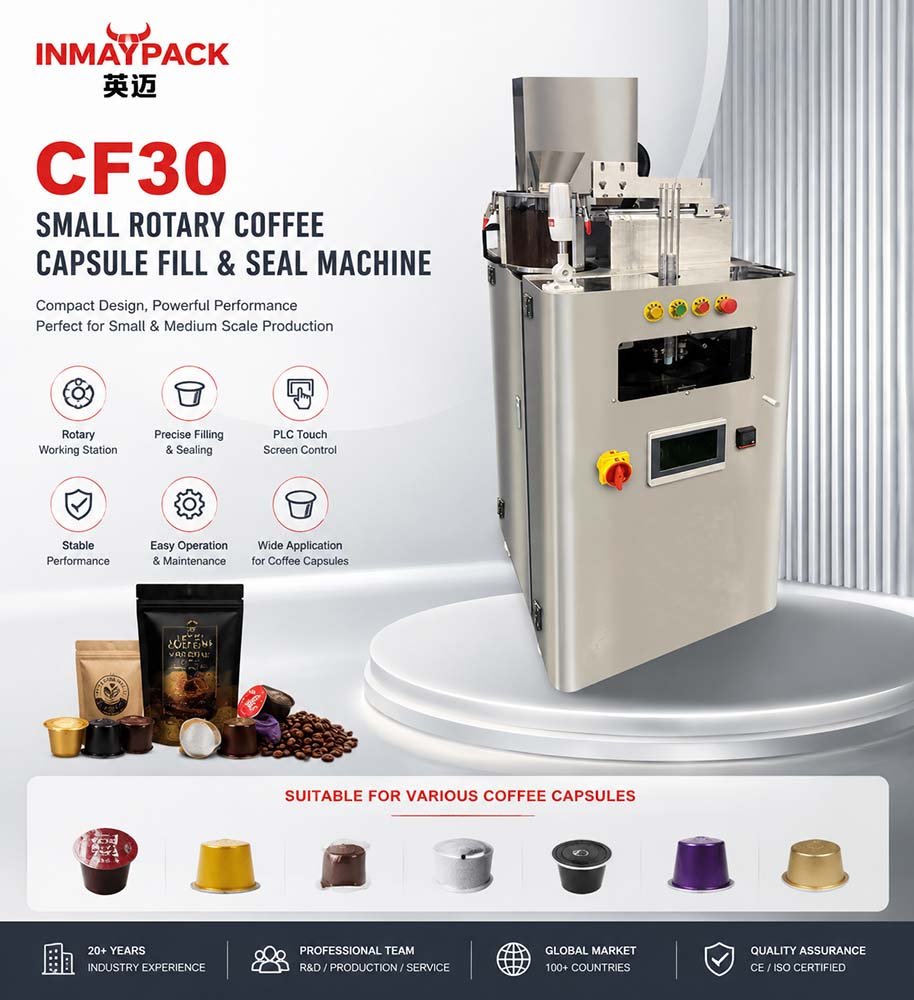
K-Cup Filling and Sealing Machine
A dedicated route for projects using confirmed K-Cup components and sealing materials.
Review K-Cup systems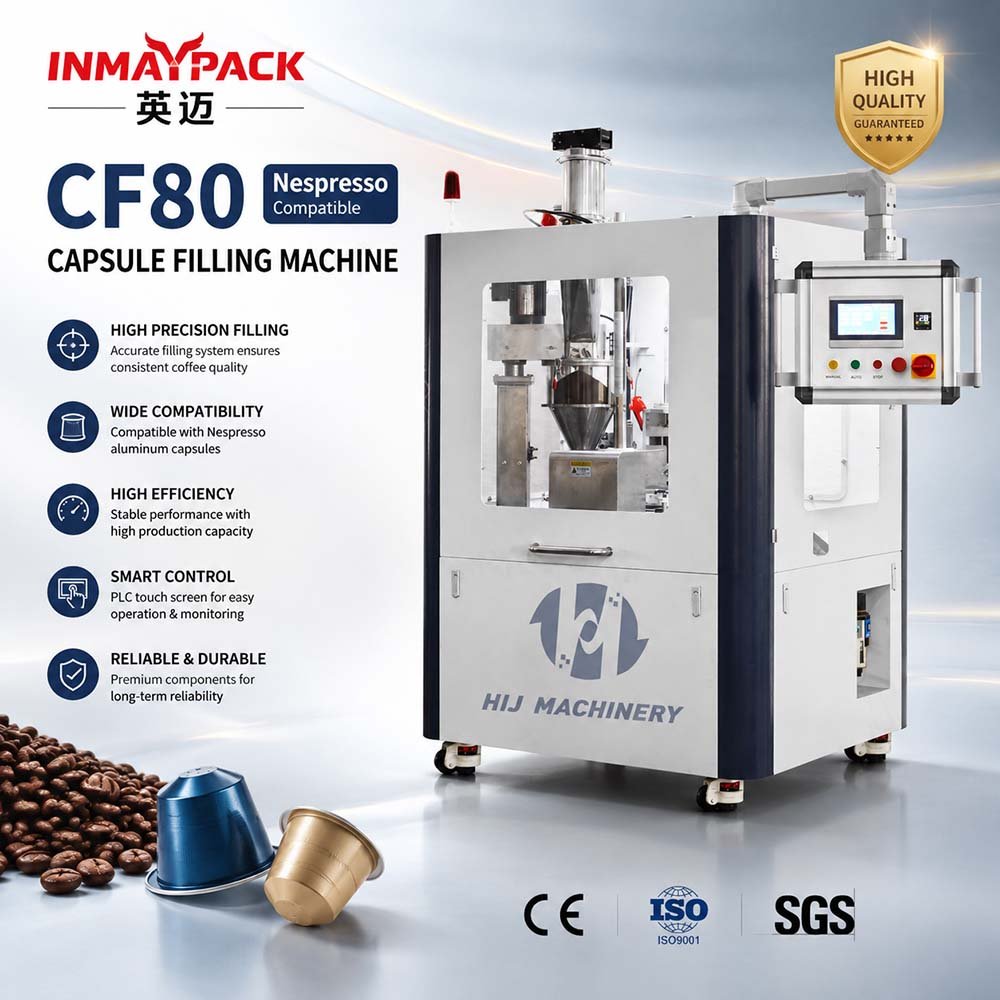
Nespresso Compatible Capsule Filling Machine
For compatible capsule projects with controlled components, tooling and sealing interfaces.
Review compatible capsule systems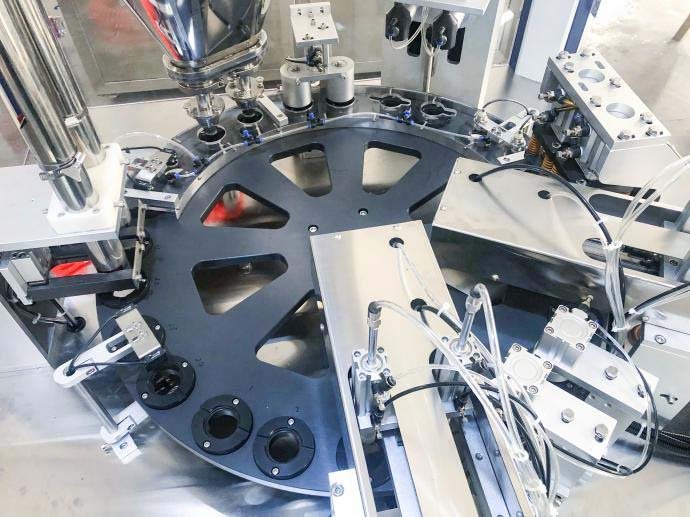
Bottle-Lid Coffee Capsule Filling Machine
A component-specific route based on the controlled lid drawing, feed method and sealing interface.
Review bottle-lid systems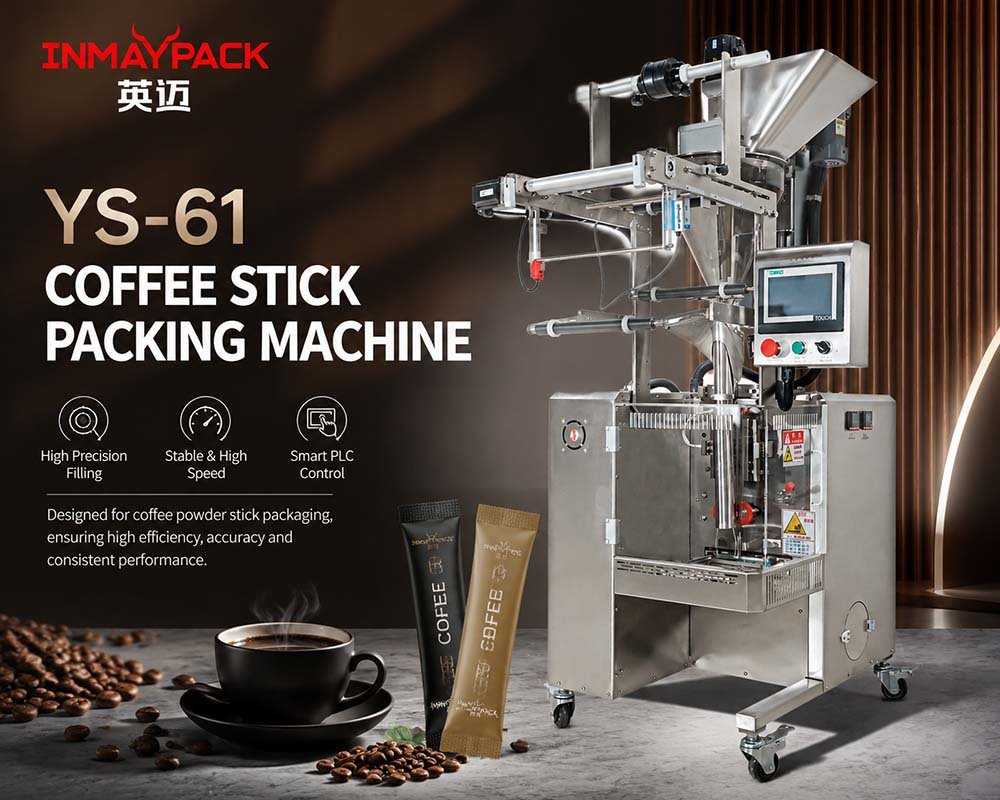
Coffee Stick Packing Machine
For instant coffee, ground coffee or mix products packed through a confirmed roll-film route.
Review coffee stick systems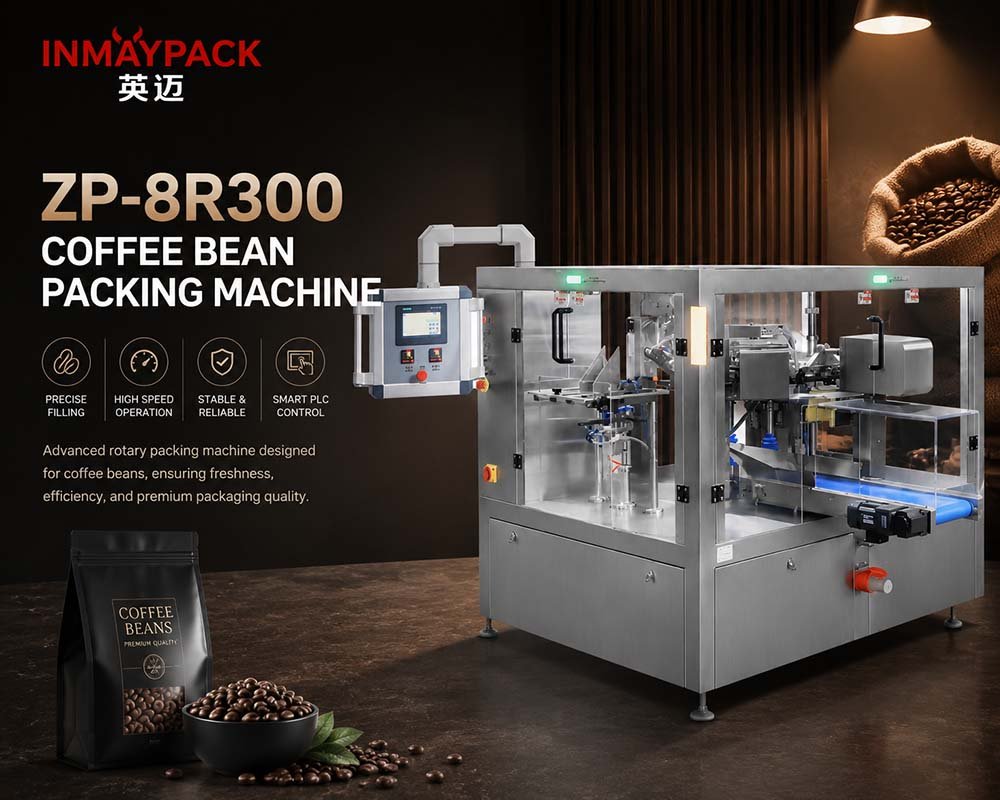
Coffee Bean Packing Machine
For whole beans packed into supplied premade pouches with project-matched dosing and sealing.
Review coffee bean systems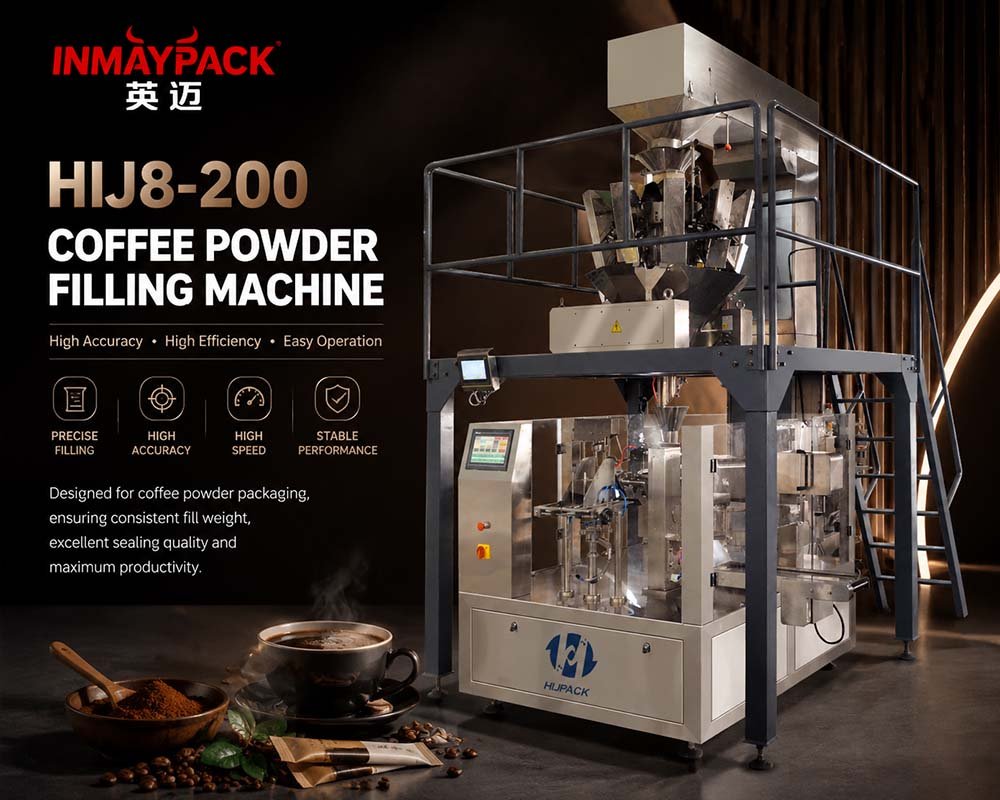
Coffee Powder Filling Machine
The documented HIJ8-200 auger conveyor and customized auger filler configuration covers 100–1,000 g coffee powder packs. Confirm the coffee, pouch, dosing trial and included equipment.
Review coffee powder systems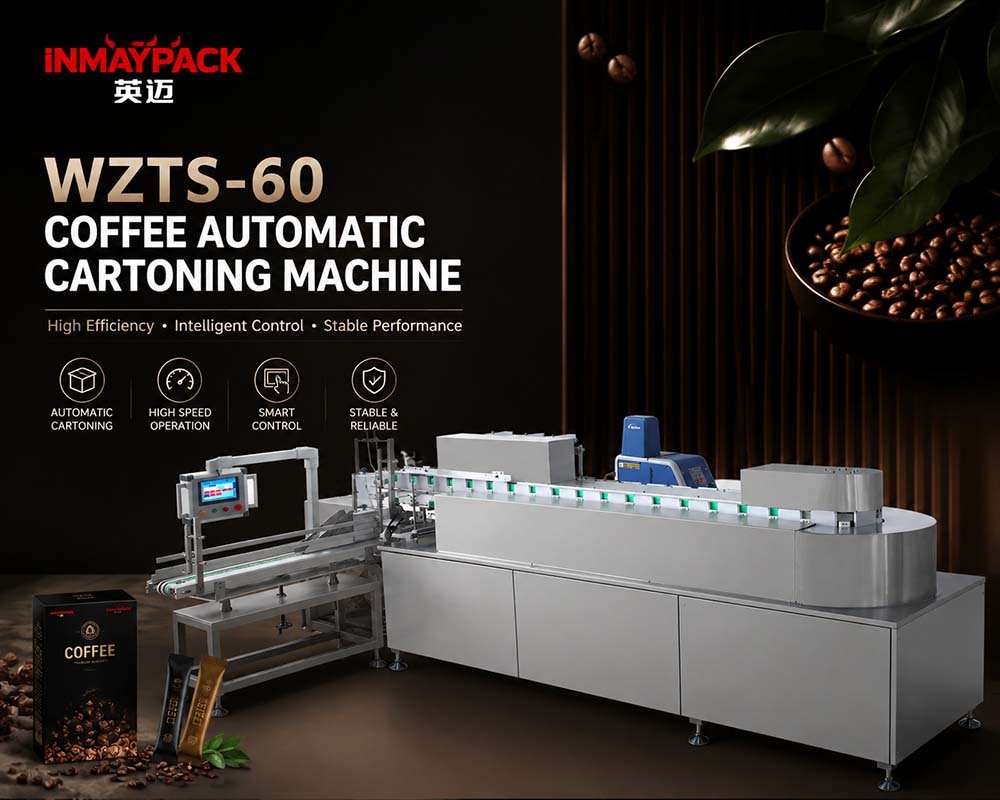
Coffee Automatic Cartoning Machine
For secondary packaging after the primary pack, count, orientation and discharge are stable.
Review coffee cartoningChoose the package route before the model
Coffee packaging equipment is not one interchangeable machine category. The coffee form, supplied package, sealing interface, freshness requirement and accepted finished output determine which route should be reviewed.
Capsules and pods
Confirm the component family, drawing, dose, lid or film, feed orientation and accepted seal evidence.
Stick packs or drip bags
For sticks, define the powder dose, film and sealing route. For drip coffee, define the ground-coffee filter pack and protective outer envelope. These require different package and dosing reviews.
Retail coffee pouches
Confirm whether the pouch is supplied or formed, then use the coffee pouch packing machine route to review dosing, gas management, closure features and top-seal cleanliness.
Secondary cartons
Define incoming pack condition, count, orientation, leaflet, coding, inspection and case-flow requirements.
Take the route further
Coffee pouch packing route
Compare supplied premade pouches and roll-film bags with the same coffee, dose, closure, material and accepted finished-pack requirement.
Compare retail coffee pouch routesDrip coffee bag packaging route
Define the ground-coffee inner filter pack, hanging-ear component and protective outer envelope as a connected process.
Review drip coffee bag packagingCoffee packaging line integration
Coordinate dosing, primary packing, coding, inspection, discharge and secondary equipment with named interface responsibilities.
Define the complete line boundaryMatch the coffee to the finished pack
This comparison establishes the engineering route. Final configuration still depends on controlled product samples, component or pouch drawings, materials and an agreed acceptance method.
| Coffee form | Finished pack | Primary machine route | Confirm before selection |
|---|---|---|---|
| Ground coffee | Capsule or compatible pod | Component feeding, dosing and sealing | Component drawing, dose, lid or film, sealing interface and accepted seal evidence |
| Instant coffee or powdered mix | Stick pack or sachet | Powder dosing with film forming, sealing and cutting | Flow, dose, film layout, dust, seal window, accepted output and collection |
| Ground coffee | Drip filter pack with outer envelope | Inner filter-pack forming and filling, followed by protective envelope packing | Filter material, hanging-ear component, coffee dose, envelope construction and handoff |
| Whole coffee beans | Premade retail pouch | Pouch opening, dosing and sealing | Pouch drawing, closure or valve, dosing method, residual air and top-seal condition |
| Ground or powdered coffee | Premade retail pouch | Powder transfer and auger dosing with pouch opening and sealing | Selected filler range, powder refill, dust, fill height, closure and top-seal condition |
| Primary coffee packs | Retail carton or grouped pack | Cartoning and downstream handling | Incoming condition, count, orientation, leaflet, coding, inspection and discharge |
The package interface matters more than the machine label
Two projects described as a coffee packaging line may require completely different component feeding, dosing, sealing and acceptance methods. Start with the real coffee and controlled finished-pack requirement, then define the machine boundary. This prevents a generic model name from hiding the most important integration risks.
From application brief to acceptance
A useful quotation starts with evidence that defines what the complete process must produce, not only a nominal machine category.
Define the coffee
State whole bean, ground coffee, instant powder or mix, including dose, particle behaviour, dust, oil and storage condition.
Control the package
Send the capsule, component or pouch drawing, materials, sealing layer, artwork, closure and accepted appearance.
Set the operating target
Define accepted output, changeover range, coding, inspection, utilities, layout and upstream or downstream interfaces.
Agree the evidence
Specify samples, run conditions, checks, records and acceptance method for trials and factory acceptance.
Capsule acceptance: when the selected route fills and seals coffee capsules, use the coffee capsule filling machine FAT checklist to define capsule feeding, lane-level dose evidence, nitrogen conditions, lid placement, seal integrity, rejects and accepted output before shipment.
See the coffee packaging routes
Drip coffee bag packaging machine
Review the inner filter pack, hanging-ear component, outer envelope and project acceptance boundary for the recorded drip coffee route.
Mini coffee capsule route
Observe capsule indexing, filling and sealing as one connected packaging sequence.
Evidence boundary: these official channel videos document recorded machine arrangements. Compatibility, configuration and accepted output must still be confirmed with the actual coffee, packaging components, drawings and agreed test method.
Before you request a quotation
These buyer questions help define the proposed route. The answers are more useful than a generic list of maximum specifications.
Which coffee packaging route should be selected first?
Select the finished pack first, then match the dosing, component or pouch handling, sealing and downstream route. Capsule, stick-pack and whole-bean pouch projects should not share one generic specification.
What should be sent for an engineering review?
Send the coffee description and sample, dose range, controlled component or pouch drawing, packaging materials, target accepted output, changeover range, coding and inspection requirements, utilities and layout constraints.
How should freshness requirements be handled?
Translate freshness requirements into controllable package barrier, valve or closure, gas-management, sealing, residual-air, storage and verification conditions. Do not rely on one generic machine claim.
What changes the total coffee packaging project budget?
The budget can include dosing, tooling and format parts, coding, inspection, gas-management equipment, downstream handling, commissioning, trial materials and initial spares. Use the coffee packaging machine price guide to define the commercial boundary.
Move your coffee project forward
Use the guide that answers the current project decision. A package drawing and sample review come before a final configuration; quotation comparison and factory acceptance use that same controlled scope.
Choose a capsule route
Compare the CF30, CF80, CF140 and CF240 reference routes after controlling the capsule, lid and coffee.
Read the capsule machine selection guideChoose a powder filler
Compare auger and weighing principles against flow, density, dust, dose, refill and the package handoff.
Compare auger and weigh fillersCompare the coffee project budget
Normalize included equipment, selected options, buyer-side work, delivery, commissioning and accepted output.
Read the coffee packaging machine price guidePrice a capsule configuration
Define molds, capsule feed, coffee dosing, lid supply, gas, inspection, tooling and acceptance scope for the selected capsule system.
Review capsule machine cost driversPrepare capsule acceptance
Agree production materials, dose checks, lid and seal checks, rejects, replenishment, stops and retained lane evidence.
Use the capsule machine FAT checklistDefine pouch filler integration
Release the product path, fill-position clearance, filler signals, refill, dust control and downstream boundary together.
Review pouch filling system selectionStart with your coffee and package
Start with four details: your coffee type, finished pack, fill weight and required output. Share the available information to begin the equipment review. Samples, drawings and the complete project requirements can follow.
Detailed coffee project checklist
A useful coffee packaging machine inquiry identifies the product and finished pack together. Send the coffee description and production sample availability, every target dose, the controlled pack drawing, intended packaging supplier, material construction, closure or valve details and required accepted output. If a decision is still open, mark it as open rather than letting each quotation assume a different value.
Define the launch formats
List the priority capsule, bag or pouch, then identify future formats separately. Ask which tooling, feeder parts, filler settings, lid or film hardware, recipes and first-off checks change. Format coverage belongs in an itemized equipment and change-part list.
Name equipment responsibilities
Mark required items as included, optional, by others, excluded or not stated. Product feed, weighing or auger dosing, gas equipment, inspection, conveyors, cartoning, FAT materials and commissioning each need a clear boundary. A connection point does not establish that the connected equipment is supplied.
Keep the acceptance basis attached
Record coffee and package lots, agreed run duration, normal refill and stoppage treatment, weight and seal criteria, coding, reject handling and test records. Accepted packs, machine cycles and filler doses are different measures; state which result the project needs.
Use the coffee packaging machine quotation comparison guide when assessing equipment scope and installed cost. Use the coffee line integration guide when several machines share signals, transfers or acceptance responsibilities.
Connect the pack.
Complete the line.
Cartoning after the primary pack
Capsules, sticks and sachets need a confirmed count, grouping pattern, carton drawing, upstream handoff and closure before the secondary packaging system is released.
Compare automatic carton packing systems →Dosing, packaging and handoff
Capsule filling, pouch or stick-pack equipment, coding, inspection and cartoning should be reviewed against one confirmed product flow and acceptance plan when they share project interfaces. Use the coffee packaging line integration page to define that system boundary before comparing individual machines.
Define the turnkey packaging line →Let’s define your coffee packaging system
Tell us your coffee type, preferred package, fill weight and target output. INMAYPACK can use these starting details to review the equipment route and quotation scope.