Liquid sachets
Roll film becomes a small flat sachet in the machine. Confirm film width, seal layout, tear feature, liquid cutoff, dose and downstream collection.
Packaging systems configured around your application Defined project scope

Flexible beverage packaging
Compare flexible beverage packaging equipment for liquid sachets, roll-film pouches, premade and spouted pouches, plus drink-powder sticks and sachets. Define the beverage, finished pack, filling method and acceptance test before selecting the machine route.
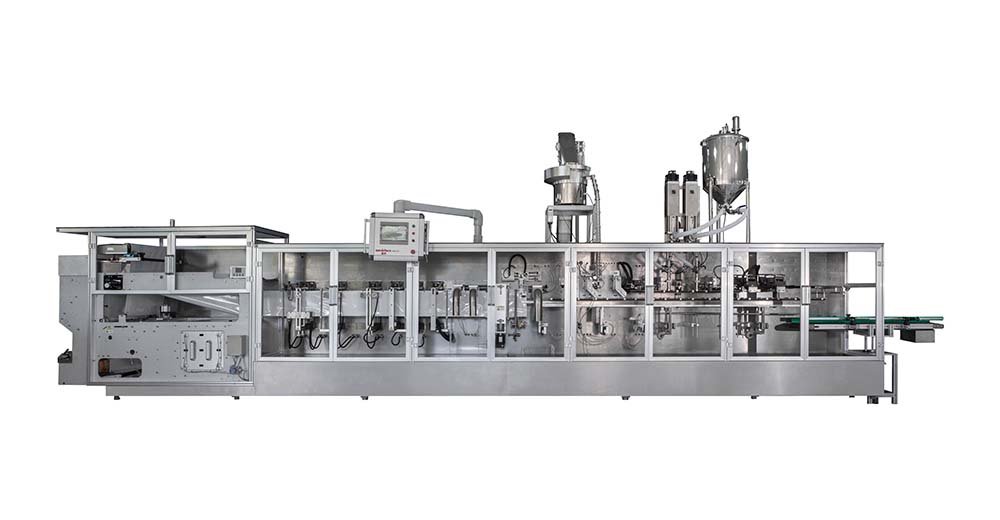
Scope and direct answer
A beverage packaging machine here is a flexible-packaging system that meters a drink or beverage powder into a sachet or pouch, closes the package and releases accepted finished packs.
This page covers non-rigid primary packages supported by INMAYPACK routes. Use the liquid packaging machine hub for the wider liquid-application map, and the coffee packaging machine hub for coffee-specific whole-bean, ground-coffee and capsule routes. This page does not present bottle blowing, rigid-bottle filling, canning, carton forming, aseptic processing or beverage production equipment as the same machine family. Those processes require different equipment and validation boundaries.
The useful buying decision is therefore narrower than “Which beverage machine is fastest?” First define whether the product is a still liquid, a liquid with particles, a viscous drink base or a dry drink mix. Then release the pack drawing, material, closure and target fill. Only after those inputs are controlled should a supplier compare the liquid sachet route, a roll-film liquid doypack, a supplied premade pouch, a spout-pouch filling and capping system or a powder stick/sachet system.
Machine-route selection
Roll film becomes a small flat sachet in the machine. Confirm film width, seal layout, tear feature, liquid cutoff, dose and downstream collection.
The line forms a compatible flat or stand-up pouch from roll stock. Film tracking, pouch forming, filling and sealing belong to one acceptance test.
Supplied pouches must be picked, opened or carried by the spout, filled and closed. Pouch consistency and closure feeding are part of the system.
Sticks and sachets for beverage powders require a powder-specific feeder and dosing method. They are not liquid-filling configurations.
| Buyer requirement | Route to evaluate | Evidence needed before release |
|---|---|---|
| Small liquid portion | Liquid sachet packaging machine | Production liquid, film, dose, cutoff behavior, seal cleanliness and accepted sachets. |
| Stand-up pouch formed from roll film | Liquid HFFS doypack system | Controlled drawing, roll stock, filling access, headspace, sealing window and finished-pack test. |
| Supplied pouch with a spout and cap | Premade spout-pouch filling and capping | Pouch and spout samples, cap, carrier fit, fill path, torque or closure checks and reject method. |
| Narrow beverage-powder portion | Stick-pack machine or multi-lane sachet system | Powder flow, bulk density, aeration, dose, film web, cross-lane balance and seal contamination. |
Beverage operating condition
The beverage name alone cannot establish pump, valve, nozzle, hopper, cleaning or package compatibility. Provide representative product and the operating limits expected during a normal shift.
State the range at filling temperature and how the product changes after standing, mixing, pumping and recirculation.
Give maximum size, shape, concentration and allowable damage. Pieces can change valve, hose, nozzle and pouch-opening requirements.
Record foaming during refill, pumping, filling and stop/restart. Foam can change the fill window and contaminate the seal area.
Define the approved product temperature at the filler. Ambient, chilled or warm-fill projects require different product and package reviews.
Explain sediment, oil-water separation and the approved agitation or recirculation method used during production and acceptance.
State disassembly, drainage, recovery, allergen or cross-contact controls and the buyer's verification method before production release.
Filling-system interface
A pump or filling head is only one part of the packaging cycle. The product supply, buffer or tank, agitation, hoses, valves, nozzles, pouch presentation, cutoff and cleaning method must work as one controlled path.
Use the pouch filling-system guide to compare piston, pump, auger, cup and weigh-based routes without treating one dosing technology as universal.
Package and closure
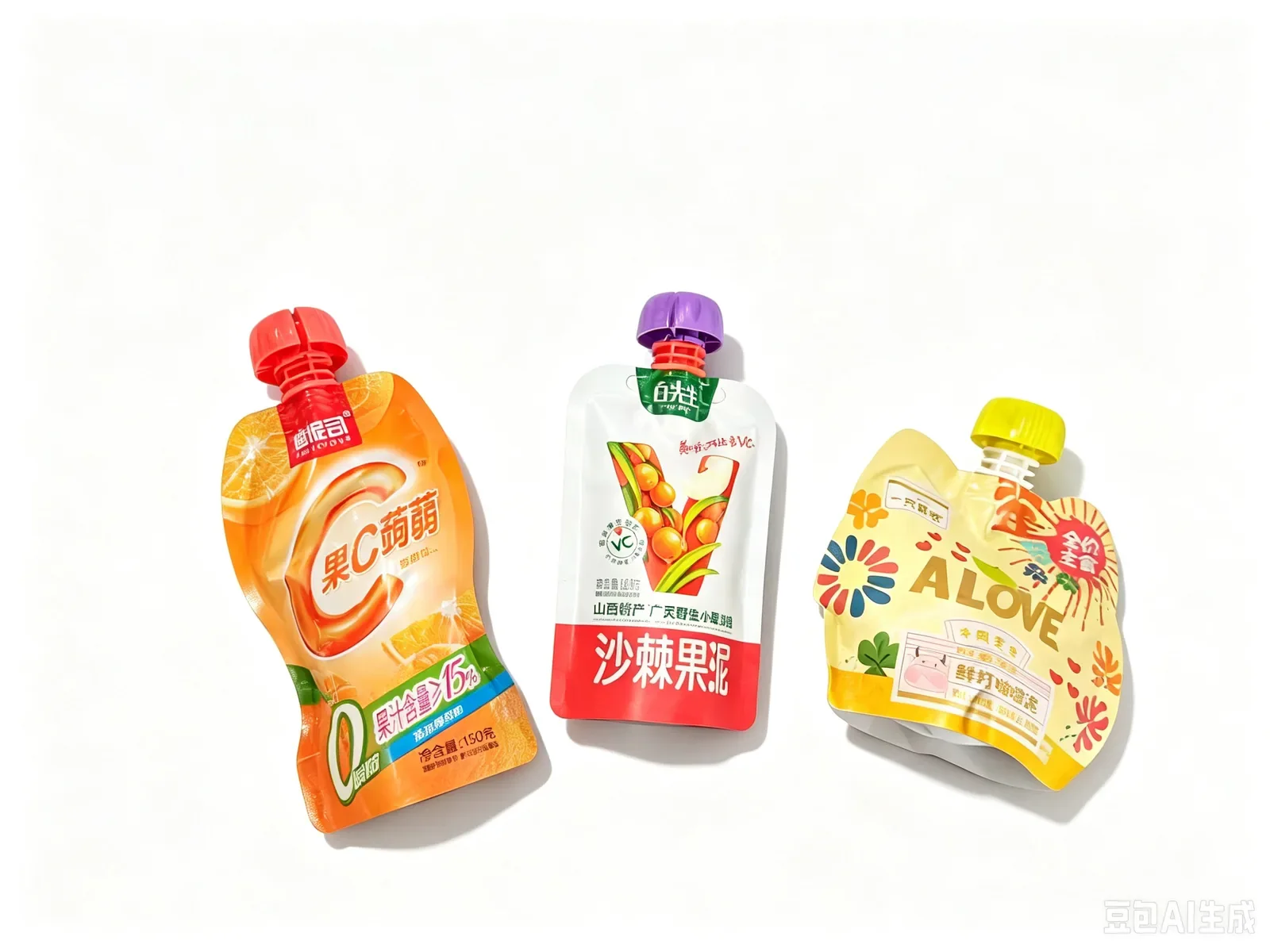
For flexible-barrier packages, separate seal strength from leak, continuity and appearance checks. The seal-integrity testing guide explains why one visual check cannot release every finished beverage pack.
Complete-line interfaces
Define upstream preparation, tank or hopper, agitation, level signals, refill responsibility, waiting time and the approved product condition at the filler.
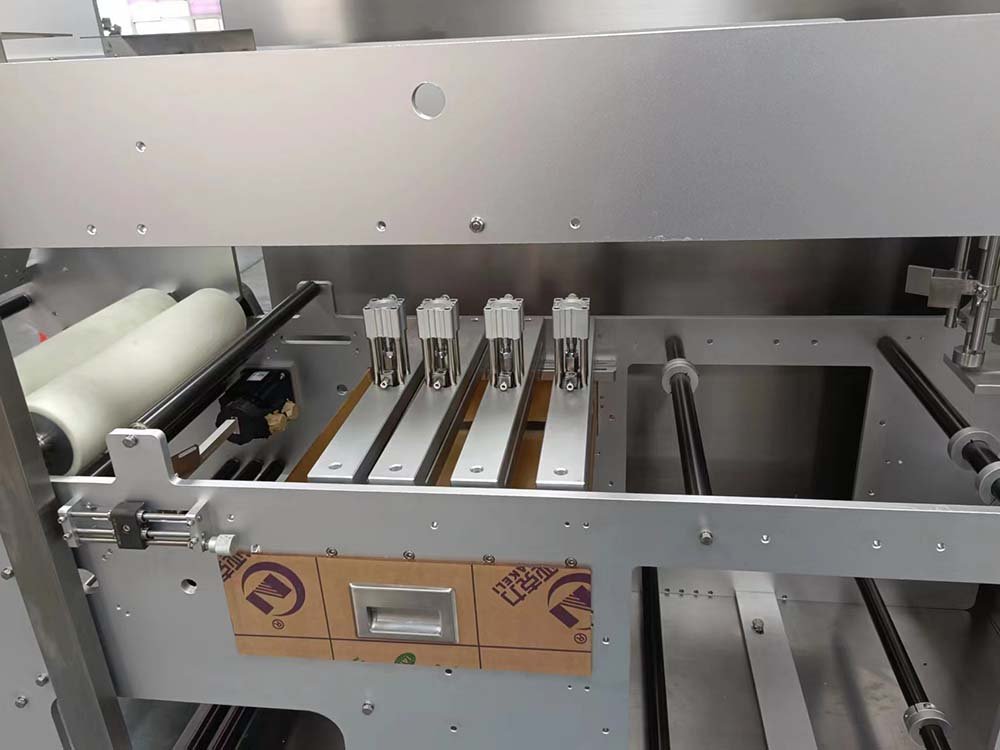
Control film unwind and registration, pouch pickup and opening, spout carriers, cap feeding, no-pouch/no-fill and invalid-opening response.
State code verification, fill checks, seal or leak testing, closure inspection, reject confirmation and the action when the reject system is unavailable.
Record the response to filler starvation, downstream blockage, product refill, film splice, pouch refill and the first packs released after recovery.
List removable parts, recipes, hoses, tanks, tooling, product recovery, first-off checks and evidence required before the next beverage or format.
Confirm discharge orientation, accumulation, collection, cartoning interfaces and which supplier owns the controls and commissioning boundary.
Use the turnkey packaging line page when feeding, coding, inspection, conveying or secondary packaging must be coordinated beyond the primary machine.
Machine-family references
The HS liquid-sachet route forms a flat package from roll film. Final filler, film, dimensions and accepted output remain project-specific.
A liquid doypack system forms the pouch from approved roll stock and coordinates filling with forming, opening and sealing.
A premade spout-pouch system starts with supplied pouches, then coordinates pouch feeding, filling, cap handling and discharge.
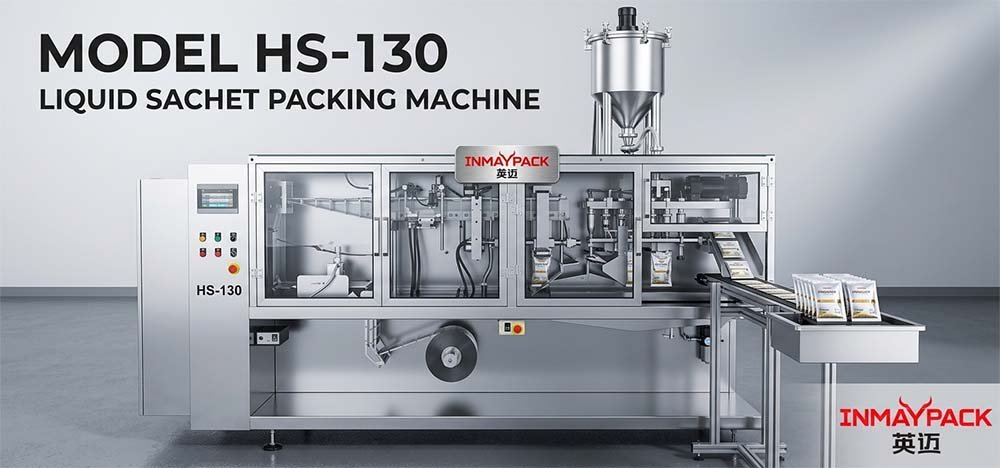
Quotation inputs
The Packaging Machine RFQ Builder turns these inputs into a consistent supplier brief. Use the same brief for each quotation so different machine boundaries are not compared as if they were equivalent.
Factory acceptance
A useful FAT connects the approved product, packaging material, operating condition, quality checks and accepted output. It should retain enough evidence to explain stops, rejects and corrective action.
Product lot, pack material, drawing, dose, configuration, utilities and approved settings.
Refill, film or pouch replenishment, planned stops, downstream blockage and restart.
Fill checks, seal or closure result, code, appearance, rejects, samples and traceable records.
Good finished packs after removing rejects and nonconforming units under the agreed run basis.
Machine FAT can demonstrate the agreed configuration with controlled product and packaging inputs, including normal replenishment, stops, rejects and restart. It should state the test duration, sample plan, defect rules and calculation for accepted finished packs so the result can be repeated and explained.
Package and shelf-life validation may also require barrier, closure, distribution, sanitation, microbiological or storage studies outside the machine builder's FAT. Commercial release remains the buyer's controlled decision under the applicable product, market and facility requirements. Assign each responsibility in the quotation instead of assuming that a short machine run proves every beverage-quality claim.
Use the stand-up pouch FAT checklist to define run conditions, defect rules, evidence and handover before the machine is released.

Buyer questions
It covers flexible liquid sachets, roll-film pouches, supplied premade and spouted pouches, plus sachets or sticks for dry drink powders. Bottles, cans, rigid cups, cartons and the beverage-making process require separate equipment.
Do not assume one filling configuration can do both. Liquid projects use a confirmed pump, valve or other liquid-metering route. Powders may require auger, cup or weighing systems. Package format, cleaning, tooling and acceptance also differ.
Choose from dose, use occasion, opening and reclosure needs, distribution, shelf presentation, film or pouch supply, target output and test requirements. A sachet is formed from roll film; a premade spout pouch requires pouch, carrier and cap handling.
Send the actual product condition, fill range, package drawing and material, spout or cap samples where relevant, target accepted output, cleaning method, utilities, inspection needs and complete line boundary.
Compare accepted finished packs under the same beverage, package, dose, run duration, refill method, defect rules and downstream condition. Empty-cycle rate or a filler display alone does not establish saleable production.
No such result should be assumed from the packaging machine alone. Product formulation, treatment, package barrier, closure process, sanitation, storage and validation are project responsibilities that must be assigned and verified.
Technical references
Project review
Send the product condition, target fill, controlled pack drawing, packaging material, closure, accepted output and line boundary. INMAYPACK will compare the supported flexible-package routes before recommending a configuration.