Volume can change after handling
Record the supplied state and the state after conveying or agitation so dose repeatability is not judged from an unrelated bulk-density assumption.
Packaging systems configured around your application Defined project scope

Select a flour filling and packaging route by product aeration, bulk-density variation, dust, dose, finished pack and acceptance method—not by an empty-cycle speed alone.
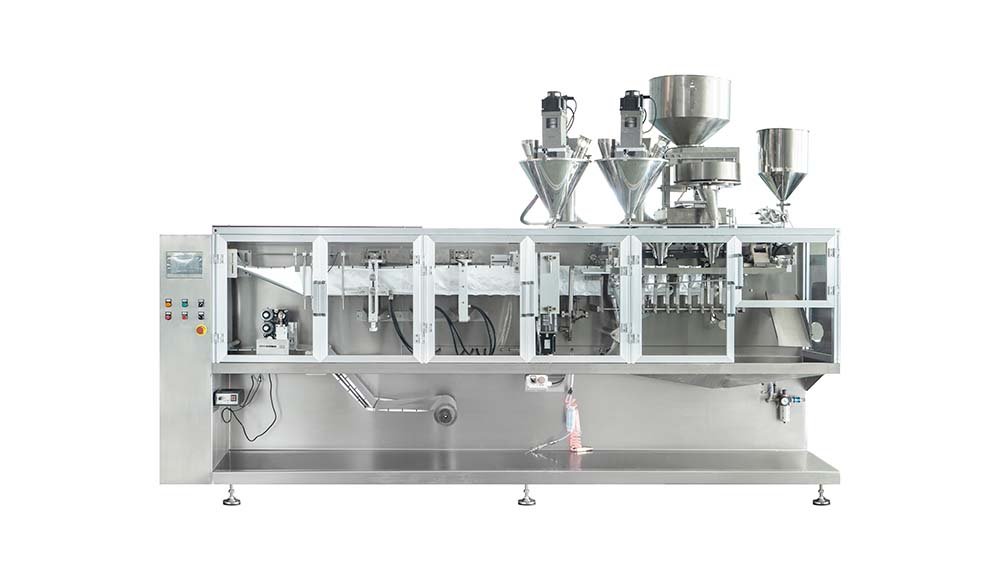
The dosing system must control the actual flour, while the packaging platform must form or handle the selected sachet or pouch and keep flour away from the seal. A useful quotation therefore fixes the product sample, dose, pack drawing, material, test duration and accepted output together.
Two flours with the same label can dose differently after transport, storage, feeding and agitation. These conditions change the filler setup and the package acceptance test.
Record the supplied state and the state after conveying or agitation so dose repeatability is not judged from an unrelated bulk-density assumption.
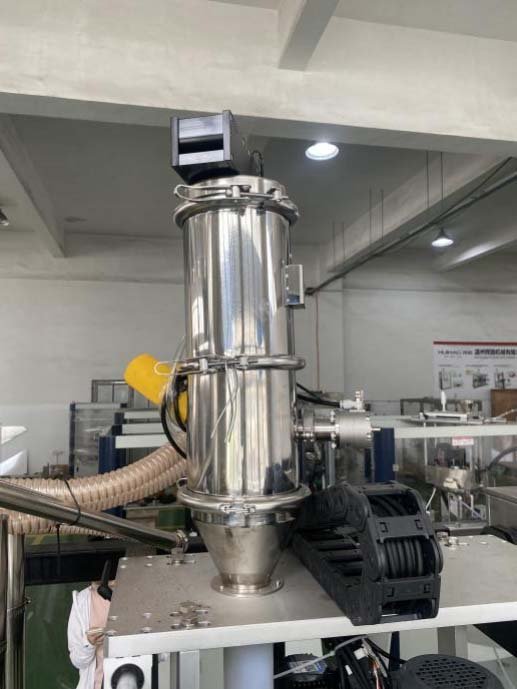
Hopper geometry, agitation, refill control and auger tooling must be reviewed with the real flour and the intended operating sequence.
A fast dose is not an accepted pack if airborne or falling flour contaminates the sealing area, coding zone or downstream inspection.
The correct architecture depends on how the package is supplied and formed. These routes should not be compared as though they were one universal machine.
Review film web, sachet drawing, lane count, auger access, cutoff, dust collection interface and seal cleanliness as one system.
Review the powder sachet routeWhen the machine forms a compatible pouch from roll film, dosing, forming, opening access, fill control and sealing must remain synchronized.
Compare roll-film doypack systemsPouch pickup and opening must be verified alongside auger dosing, headspace, dust near the mouth and final sealing.
Compare premade pouch systemsScope boundary: this page covers flexible sachet and pouch projects. Open-mouth sacks, valve bags, bulk bags, retail cartons, jars and other container systems require a separate equipment review.
The selected filler can only perform consistently when product supply, refill behavior, package presentation, sealing and discharge are defined around it.
| Input | What to provide | Decision it changes |
|---|---|---|
| Flour sample | Type, supplied condition, storage, temperature, moisture context and a representative test quantity. | Feed, agitation, auger tooling, cutoff and test basis. |
| Dose and tolerance | Nominal dose, allowed range and how accepted weight will be measured. | Filler size, tooling, control method and inspection. |
| Package | Controlled drawing, material structure, dimensions, headspace, seal geometry and coding area. | Machine route, forming parts, pouch handling and sealing. |
| Dust and cleaning | Expected dust, extraction interface, product-contact boundary, changeover and verification method. | Enclosure, access, removable parts and sanitation plan. |
| Accepted output | Saleable packs per minute, test duration, allowed rejects, refill assumption and downstream state. | Commercial comparison and FAT acceptance criteria. |
| Line interfaces | Upstream supply, utilities, coding, inspection, reject handling, conveyors and secondary packaging. | Controls, layout, signals and responsibility split. |
Agree the flour sample, pack material, format, dose and line state before comparing results.
Include the planned product supply and hopper-refill sequence instead of testing only an isolated dose.
Check weight method, seal cleanliness, cut, code, appearance, leaks and defined rejects.
Retain settings, test duration, samples, results, deviations and responsibilities for the approved configuration.
Use the packaging machine FAT checklist to assign samples, responsibilities, pass criteria and evidence before the test begins.
Share the flour sample, dose, package drawing, material, accepted-output basis, cleaning requirement and line interfaces. INMAYPACK will compare the suitable flexible-package routes before recommending a configuration.