
VFFS selection guide · Roll-film packaging
Choose the complete forming, dosing and sealing process—not a machine label.
A vertical form fill seal machine draws roll film downward around a forming tube, creates a longitudinal seam, doses product through the tube, makes transverse seals and separates finished bags. A useful quotation must match the actual product, dose, bag drawing, film, dosing method, sealing window, inspection scope and accepted-output test.
How one VFFS cycle becomes a finished bag
The functions are connected. A dosing delay changes the sealing sequence; unstable film tension changes registration; product in the seal area changes pack acceptance. Review the cycle as one process.
- Unwind filmSupport the roll and control web tension.
- Track printReference the registration mark when printed repeat matters.
- Form tubeGuide flat film around the specified forming set.
- Seal lengthwiseCreate the lap or fin seam defined by the pack design.
- Dose productRelease the measured product through the filling tube.
- Cross-sealClose the current bag and form the next bag boundary.
- Cut and dischargeSeparate, inspect or transfer the finished pack.
Intermittent and continuous motion solve different constraints
In intermittent motion, film transport stops for the cross-seal operation. In continuous motion, the film keeps moving while the sealing system follows the web. Continuous motion can support higher output, but only when product transfer, film control and sealing can remain stable at the required conditions.
Intermittent motion
- Film advances and then pauses for the cross seal.
- Often easier to understand, set and validate for moderate output.
- Allows a stationary sealing interval, subject to the actual film and pack.
- Still requires synchronized dosing and clean seal-area control.
Continuous motion
- Film transport continues through the packaging cycle.
- Can be reviewed when required accepted output justifies the added coordination.
- Demands stable film tracking, product drop and moving-jaw sealing behavior.
- Must be proven with the agreed product and packaging material.
Freeze the bag drawing before choosing the forming set
“VFFS bag” is not a complete specification. The controlled drawing should state finished width and length, seam style and allowance, cut and tear features, print repeat, registration reference, headspace, coding area and any required handling condition.
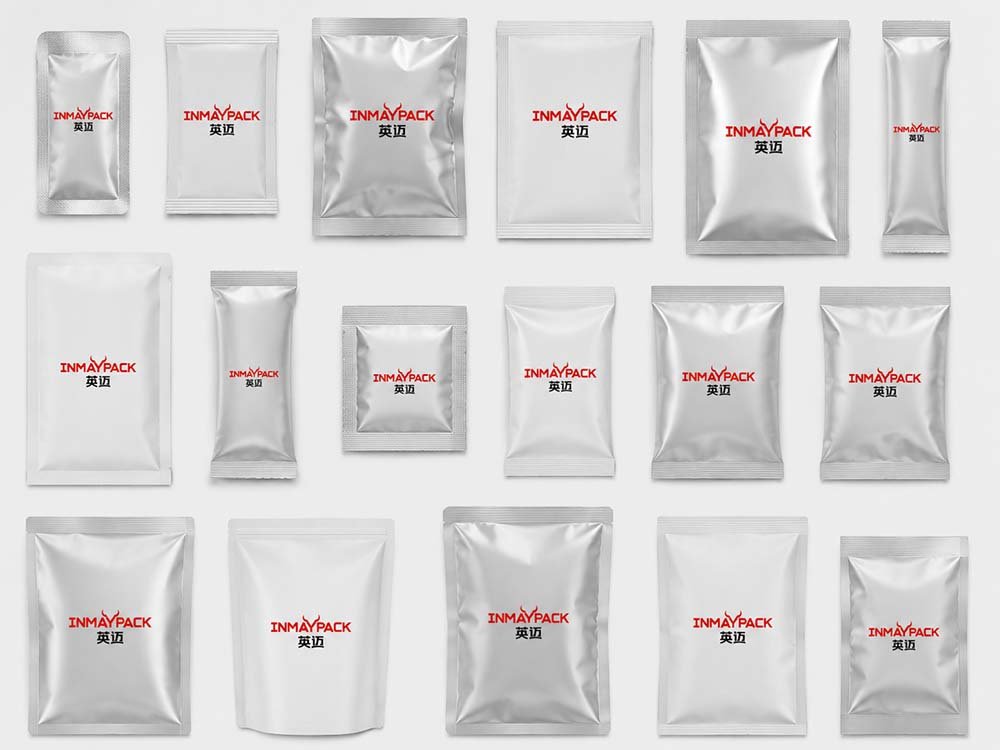
Pillow bags are common on vertical baggers. Gusseted, block-bottom, chain, hole-punch or other features require machine- and material-specific review. A sachet or stick-pack project may use a different web path and sealing architecture even when the finished pack also looks vertical.
Use the sachet packing machine hub for flat sachet and multi-lane routes, and the stick pack machine page when the narrow tubular format is the starting requirement.
The filler must be selected with the product, not added afterward
The bagger controls film and sealing; the dosing subsystem must create the required dose under the real product conditions. Their timing, height, product fall and cleaning boundaries must be designed together.
Granules and pieces
Review piece size, bulk density, fragility, target dose, flow consistency and acceptable giveaway before choosing weighing or volumetric options. Continue to the granule packaging machine guide.
Powders
Record density variation, dust, aeration, compactability, product contact requirements and seal-area contamination risk. Continue to the powder filling machine guide.
Liquids and pastes
Confirm viscosity range, particulates, temperature, foaming, stringing, cleaning and drip control. Continue to the liquid packaging machine guide.
Validate the packaging material as a process input
Send the actual roll specification and sample material—not only a commercial film name. The review should cover web width, total thickness, layer structure when available, sealant layer, coefficient of friction, print repeat, registration mark, roll direction, splice condition, core and roll limits, and the agreed seal-strength or leak-test method. Use the VFFS film specification guide to organize the supplier data, roll details and machine-trial evidence.
| Film or sealing input | Why it matters | Evidence to close it |
|---|---|---|
| Web dimensions and roll direction | They determine forming-set fit, unwind setup and print orientation. | Approved roll specification plus a marked sample roll. |
| Friction and tracking behavior | They affect film draw, centering and repeat stability. | Trial web through the agreed unwind and pull-belt configuration. |
| Seal window | Temperature, pressure and dwell must create an accepted seal without damaging the pack. | Recorded recipe and the agreed seal-integrity or leak-test result. |
| Product contamination | Dust, crumbs, liquid or product strings can enter the cross-seal area. | Run the real product and inspect challenged seals, not empty bags only. |
| Print registration | The mark, repeat and sensor contrast affect cut and graphic position. | Approved artwork reference plus measured registration samples. |
Put these requirements into the request for quotation
| URS section | Minimum project input | What must not remain ambiguous |
|---|---|---|
| Product | Samples, photos, composition limits, density or viscosity range, temperature and flow behavior. | The worst confirmed production condition used for selection. |
| Dose | Nominal and range, accuracy or giveaway basis, number of recipes and change frequency. | Whether acceptance is by weight, volume, count or another agreed method. |
| Package | Controlled drawing, film specification, roll direction, coding and opening features. | The exact formats included in the quotation and FAT. |
| Output | Required accepted bags per minute for each priority product and format. | Test duration, allowable rejects, refill conditions and downstream state. |
| Hygiene and cleaning | Product-contact material, cleanout method, allergen or cross-contamination boundaries. | What must be removed, accessed, washed or verified between products. |
| Utilities and site | Electrical supply, compressed air, extraction, environment, layout and elevation. | Supplier and buyer responsibility at every connection point. |
| Inspection and data | Code, weight, metal or other checks; reject confirmation; required production records. | Which devices are included and how a rejected pack is contained. |
Use FAT evidence that represents saleable production
A credible test records both the demonstrated configuration and the conditions that produced the result.
- Identity: record the product lot, dose, film roll, bag drawing, forming set and software recipe.
- Condition: document replenishment, environmental limits, line interfaces and planned operator actions.
- Output: count accepted bags over the agreed test period; record stops, rejects and scrap separately.
- Quality: sample dose, dimensions, registration, code, appearance and seal integrity using agreed methods.
- Challenges: verify low product, end of film, registration loss, open guard, downstream block and controlled restart where included.
- Changeover: demonstrate the priority format change, recipe control and first-off release check when required.
Use the packaging machine FAT checklist to structure responsibilities, samples, pass criteria and evidence before the test begins. After acceptance, use the VFFS machine maintenance checklist to preserve the approved film path, forming references, seal condition and controlled-restart evidence.
Continue with the page that matches the actual package route
Use the form fill seal machine route comparison when VFFS still needs to be compared with pouch-forming HFFS, flow wrap or sachet architectures.
- Quad seal pouch guide — four-corner seals, gusset geometry and machine route.
- HFFS vs VFFS comparison — film direction, filling access and package architecture.
- Sachet packing machines — single-lane, multi-lane, flat-sachet and stick-pack systems.
- Granule packaging machines — product behavior and dosing for pieces and free-flowing granules.
- Powder filling machines — auger, dust, aeration, cleanout and seal-area requirements.
- Liquid packaging machines — pump, nozzle, viscosity, drip control and cleaning boundaries.
- Cartoning machine systems — discharge, buffering, grouping and downstream cartoning.
Vertical form fill seal machine FAQ
What is a vertical form fill seal machine?
What is the difference between VFFS and HFFS?
Which products can use a VFFS machine?
Is continuous motion always better than intermittent motion?
How should VFFS speed be compared?
What should be sent to a VFFS supplier?
Operating principles used for this selection framework
- Syntegon, vertical form fill seal machines and intermittent/continuous motion overview.
- ROVEMA, continuous-motion form fill seal process and synchronized dosing example.
These manufacturer references explain operating principles and application examples. The delivered INMAYPACK configuration, output, compliance and acceptance scope remain project-specific and must be confirmed in the issued quotation and technical documents.







