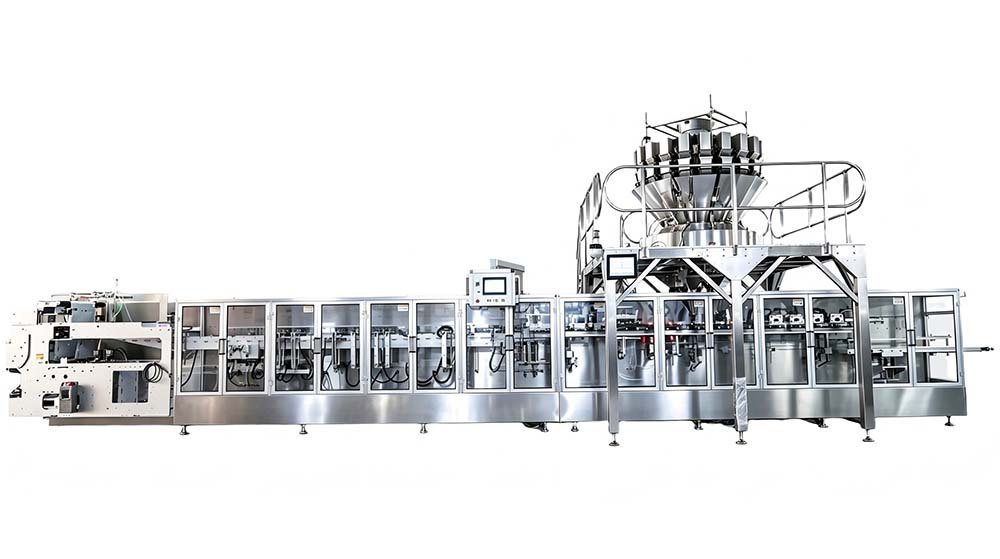
Packaging systems configured around your application Defined project scope

Share your requirements • sales@ewpackmachinery.com

Packaging line automation

Turnkey Packaging Lines and Automation Systems

Define the product flow, dosing method, package route, inspection boundary and acceptance plan before individual machines are selected. INMAYPACK reviews project-scoped packaging systems for doypack, sachet, premade-pouch and coffee applications.

Review the System Boundary
System definition

What a turnkey packaging line means here

A useful proposal defines one packaging-system boundary and the interfaces inside it. The boundary must be based on the real product, package and acceptance requirements—not on a generic equipment list.

Included by confirmed project scope

One URS, coordinated interfaces and one acceptance basis

For this page, a turnkey packaging line is a project-scoped combination of product feeding, dosing, primary packaging, coding, inspection, discharge and applicable downstream equipment. The exact modules are confirmed in the proposal and URS.

Packaging line automation is valuable only when timing, control signals, mechanical interfaces, reject handling and operator responsibility are coordinated across the agreed system.

Before defining conveyors, inspection and secondary packaging for a food project, compare the primary food packaging machine routes by product behavior, dosing method and finished pack.

System architecture

Map the product path before choosing equipment

Each stage changes the requirements of the next stage. The line review must therefore follow the product and package from bulk supply to accepted finished pack.

01 · INFEED

Product supply

Define bulk handling, replenishment, level control and product protection.

02 · DOSING

Measurement

Match the dosing principle to flow behavior, dose range and acceptance method.

03 · PACKAGING

Package route

Select roll-film forming, premade-pouch handling or capsule filling from the pack specification.

04 · CONTROL

Inspection

Define coding, detection, rejection, traceability and accepted-output evidence.

05 · HANDOVER

Discharge and transfer

Confirm accumulation, downstream interface, operator access and recovery conditions.

Primary package route

Choose the packaging platform from the buyer requirement

The same product may fit more than one packaging system. Compare pouch supply method, format control, changeover, filling access and acceptance evidence before fixing the machine architecture.

Roll-film stand-up pouch

Doypack packing systems

For stand-up, zipper, spout and selected shaped-pouch applications formed from roll film. Confirm film route, forming geometry, opening, filling and sealing as one process.

Compare doypack packing machines
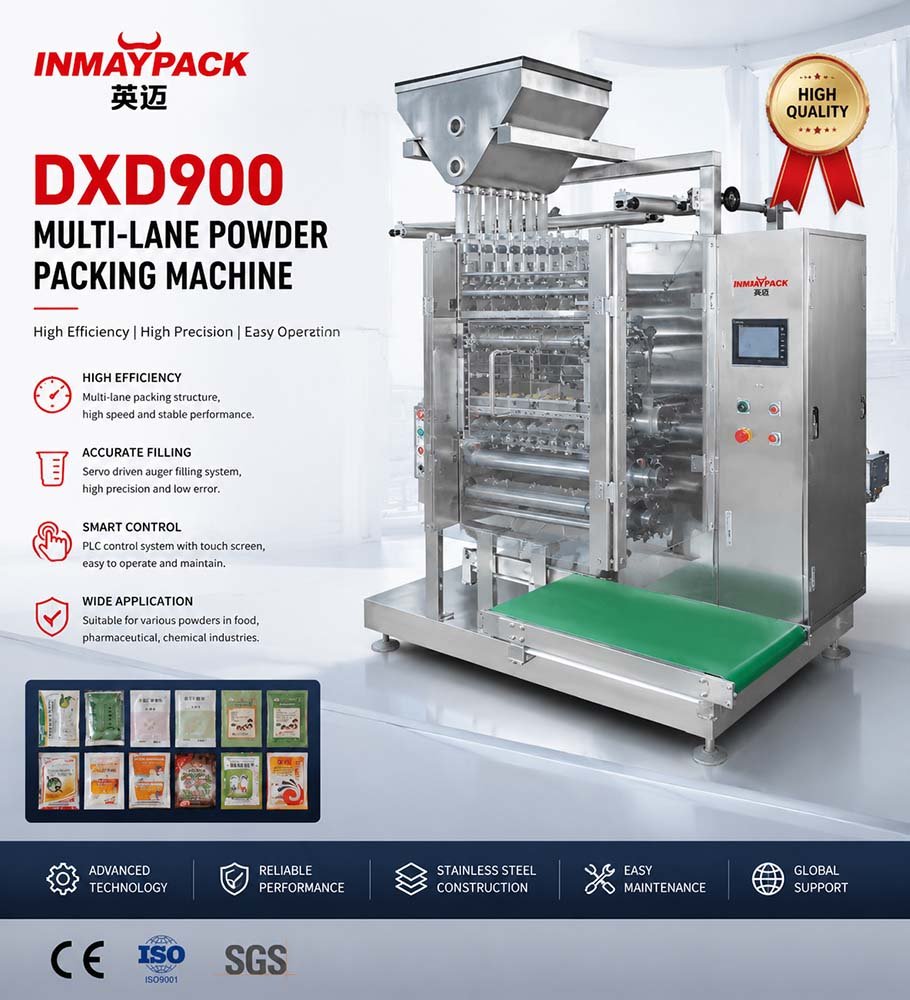
Flat sachet and stick pack

Sachet packing systems

For small-format roll-film packs where lane count, dosing distribution, film layout and downstream collection determine the system boundary.

Compare sachet packing machines
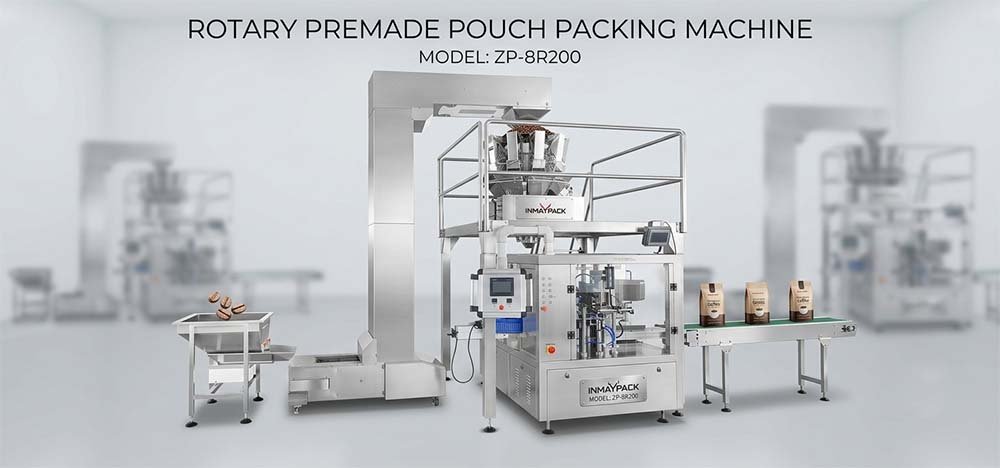
Supplied pouch

Premade-pouch systems

For applications using supplied flat, stand-up, zipper, spout or other confirmed pouch formats. Validate pickup, opening, filling access, sealing and discharge.

Compare premade-pouch machines
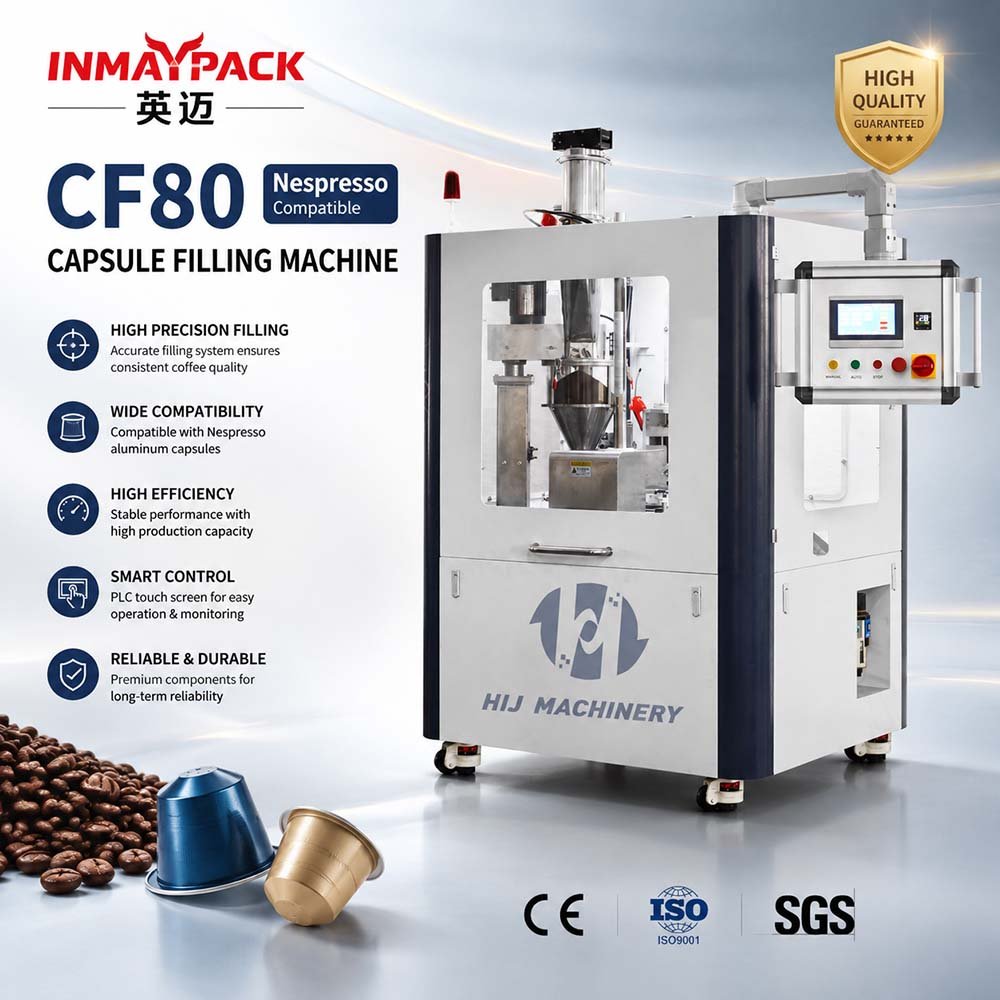
Capsule and coffee package

Coffee packaging systems

For coffee capsule filling and sealing plus relevant coffee pouch or stick-pack routes. Confirm coffee format, dosing, sealing and downstream requirements separately.

Compare coffee packaging machines
Project inputs

Information that changes the packaging-system design

Record these inputs before a supplier comparison. They determine the architecture, interfaces, test scope and commercial boundary.

Swipe horizontally to review all three columns.

Decision area Information to provide What it changes
Product Flow behavior, viscosity, particle size, temperature, dust or splash behavior, cleaning needs Feeding method, dosing principle, contact design and contamination controls
Dose and output Nominal and range values, accepted tolerance method, target output and product-change pattern Doser capacity, lane count, settling time, buffer requirements and acceptance basis
Package Controlled drawing, dimensions, film or supplied pouch, closure, artwork and sample packs Machine architecture, tooling, registration, opening access, seal geometry and changeover
Line interfaces Upstream supply, downstream collection, coding, inspection, rejection and data requirements Mechanical layout, controls, handshakes, accumulation and operator responsibility
Site and handover Utilities, floor plan, environment, documentation, training and acceptance evidence Project boundary, installation preparation, FAT scope and handover deliverables
Engineering workflow

Move from application review to accepted line scope

Application review

Confirm the product, dose, package, output basis, utilities and unresolved risks.

Route selection

Compare dosing and package architectures before individual models are fixed.

System boundary

Record included modules, exclusions, interfaces, responsibilities and document deliverables.

Sample and risk review

Use real product, film or pouch samples to evaluate filling access, contamination and seal conditions.

URS and acceptance plan

Agree how output, quality, rejects, changeover, alarms and recovery will be evaluated.

FAT and handover

Test the confirmed configuration and deliver the agreed records, training and open-item list.

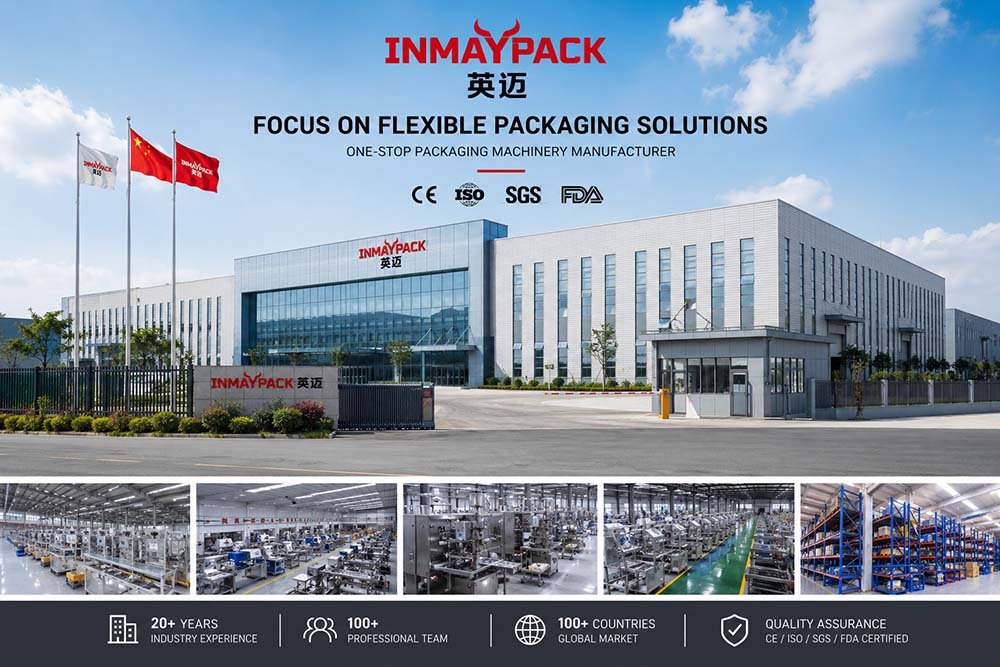
INMAYPACK packaging machinery manufacturing facility in Shanghai, China
INMAYPACK packaging machinery manufacturing facility in Shanghai, China.
Buyer questions

Turnkey packaging line FAQ

What should be sent for a packaging line assessment?

Send the product description and samples where possible, dose range, controlled package drawing, film or pouch information, target output basis, utilities, production environment, required inspection, downstream interface and acceptance expectations. Missing inputs should remain open items rather than assumed specifications.

Is one automatic packaging machine a turnkey line?

Not automatically. A primary packing machine may be the core of the line, but the turnkey boundary must state whether product supply, dosing, coding, inspection, rejection, discharge, controls, documentation and site services are included.

How is an HFFS route compared with a premade-pouch route?

Compare the controlled package specification, product behavior, pouch supply method, filling access, sealing requirements, format changes, material handling and accepted-output evidence. Neither architecture is universally better; the application and operating model decide.

Can coding, inspection and downstream equipment be integrated?

They can be included when their interfaces and responsibilities are defined in the confirmed project scope. The review should specify data, signals, reject handling, accumulation, access, utilities and the test method for each included module.

How should a complete packaging system be accepted?

Use an agreed URS and FAT plan that names the product, dose, package, configuration, run conditions, duration, acceptable rejects, inspection method, alarms, recovery checks and deliverables. A headline machine speed without those boundaries is not a complete acceptance criterion.

Define the project boundary

Request a packaging line architecture review

Send the product, package, output basis, utilities and required interfaces. INMAYPACK will review the appropriate system route and identify the information still needed for a scoped proposal.

Tell Us Your Need

Send your requirements for a scoped technical reply.

✓ Requirements reviewed before recommendation

✓ Your info stays private

✓ Project-scoped technical review