Maintenance guide · Published July 29, 2026
A useful preventive maintenance plan protects the process references that make a good pouch repeatable. It connects safe isolation, cleaning, inspection, lubrication, condition limits, corrective action and a controlled restart. A calendar alone is not a maintenance strategy.
Quick answer: begin with the machine manual and component instructions, divide the pouch line by function, assign each task to an owner, define an observable acceptance condition, and record what was found—not only that a box was checked. Use operating hours, cycles, product contamination, environment, failure consequence and condition trends to review intervals. Never copy a generic weekly or monthly schedule over the machine-specific instructions.
Build the plan from machine functions, not from a generic checklist
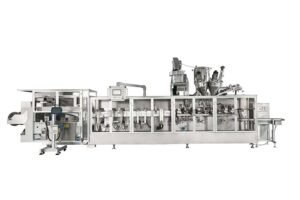
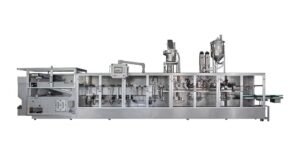
A roll-stock HFFS pouch line is a chain of references. Film tension affects registration; registration affects forming and cutting; transfer position affects opening and filling; contamination at the pouch mouth affects top sealing. Maintenance should therefore follow the material path and the control path.
Film handling
Unwind, tension, rollers, edge guidance, print registration and pull mechanisms.
Pouch forming
Folding plow, gusset tooling, zipper or fitment devices, seal jaws and cutters.
Pouch transfer
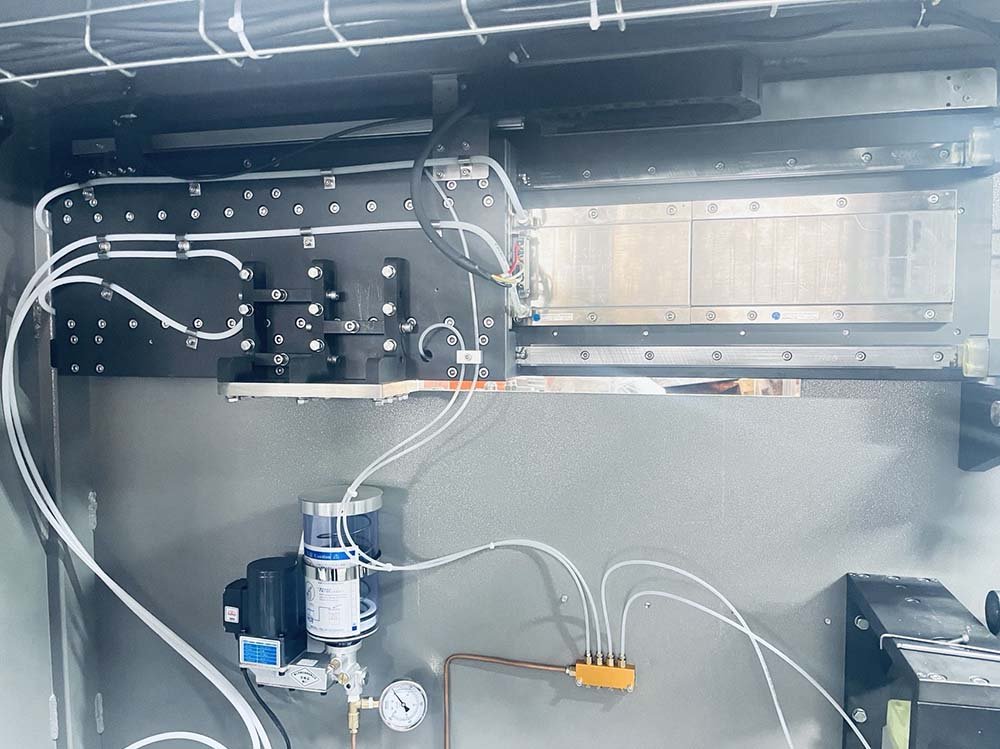
Grippers, guide rails, cams, linkages, servo axes and position references.
Opening and filling
Vacuum cups, hoses, valves, opening tools, filling nozzles and filler interfaces.
Utilities and controls
Air preparation, vacuum, temperature control, sensors, wiring, recipes and alarms.
Safety and guarding
Doors, interlocks, emergency stops, protective devices and energy-isolation points.
Use the HFFS packaging machine components guide to map the physical stations before assigning maintenance tasks. A component list becomes useful when each item has a function, failure mode, inspection method and release criterion.
If the machine forms a tube around a vertical forming set instead of transferring open pouches horizontally, use the VFFS maintenance checklist for the correct film, forming, sealing and restart architecture.
Control hazardous energy before inspection becomes servicing
Cleaning, unjamming, adjustment and inspection may expose personnel to electrical, pneumatic, thermal, gravitational, spring or other stored energy. The site must decide which work requires its energy-control procedure and who is authorized to perform it.
In the United States, OSHA 29 CFR 1910.147 covers servicing and maintenance where unexpected energization, startup or release of stored energy could cause injury. It requires energy-control procedures, training and periodic inspections, and it requires isolation and verification before covered work begins. Other countries and sites may impose different or additional requirements.
Do not treat an emergency stop or HMI stop as energy isolation. Follow the approved site procedure, identify every energy source, dissipate or restrain stored energy, and verify the isolated condition before work. Testing that requires temporary re-energization needs its own controlled sequence.
Safety reference: OSHA 29 CFR 1910.147 — The control of hazardous energy.
Set maintenance intervals from risk, duty and evidence
There is no universal maintenance interval for every pouch packing machine. Two identical machines can need different review periods when one runs abrasive powder in a dusty room and the other runs a clean product for one shift. Start from the supplied manual and installed-component instructions, then review the interval using actual operating evidence.
| Planning band | Purpose | Typical triggers | Evidence to retain |
|---|---|---|---|
| Shift / startup | Detect conditions that can immediately affect safety or pouch quality. | Guard status, abnormal noise, contamination, damaged tooling, air or vacuum condition, active alarms. | Operator check, alarm reference, defect photo or work request where abnormal. |
| Short planned interval | Inspect items that wear, loosen, clog or drift under normal production. | Operating hours, cycles, product change, sanitation cycle or early trend threshold. | Measured condition, wear observation, cleaned or replaced item, technician and timestamp. |
| Longer planned interval | Review alignment, drive condition, filters, backups and functions that need planned access. | Manual requirement, accumulated duty, shutdown window or condition-monitoring result. | Before/after value, parts used, settings protected, verification result and next due point. |
| Event-based | Restore a known baseline after an abnormal event. | Jam, collision, seal contamination, repeated alarm, utility upset, tooling change or unplanned stop. | Event cause, affected references, corrective work and approved restart sample. |
| Condition-based | Act when a measured trend moves toward a defined limit. | Temperature, vacuum, pressure drop, current, vibration, cycle time, reject pattern or component wear. | Trend, alert limit, decision, action and post-action baseline. |
ISO 17359:2018 provides general procedures for establishing a machine condition-monitoring programme. SKF’s bearing maintenance guidance also shows why relubrication intervals depend on operating temperature, vibration, contamination, load, bearing arrangement and other conditions. These references support the method; they do not replace the instructions for the components actually installed on the line.
Use a machine-specific preventive maintenance task matrix
The following matrix is a structure for building the plan. It deliberately avoids universal torque values, lubricant quantities, air pressures and replacement periods. Enter those values only from approved machine documents, component manuals or a validated site standard.
| System | Inspect or maintain | Define acceptance by | Escalate when |
|---|---|---|---|
| Guards and interlocks | Doors, switches, emergency stops, mounting and damage. | Approved safety-function test and intact physical condition. | A device is bypassed, damaged, loose or does not produce the specified safe response. |
| Film unwind and web path | Roll supports, rollers, bearings, tension control, guide surfaces and sensors. | Clean rotation, stable web path and condition within documented limits. | Film dust builds up, rollers bind, bearings heat or the web repeatedly wanders. |
| Registration and pull | Photoeye, encoder reference, belts or grippers, servo alarms and repeat error. | Stable registration and pull repeat under an approved film and recipe. | Correction grows, marks are missed, alarms repeat or mechanical wear is visible. |
| Forming and gusset tooling | Plow surfaces, folds, guides, edges, fasteners and contact damage. | Tooling is clean, secure and produces the approved geometry without scuffing. | The fold drifts, film wrinkles, contact marks grow or tooling position cannot be repeated. |
| Seal and cooling stations | Jaw faces, covers, heaters, sensors, wiring, pressure distribution and cooling surfaces. | Clean parallel contact and verified process performance using the approved test method. | Temperature deviation, contamination, jaw damage or seal-test trend moves outside the control limit. |
| Cutting and punching | Blade or punch condition, alignment, debris removal, guards and actuator movement. | Clean feature geometry without film tearing, burrs or unsafe exposure. | Cut quality degrades, force changes, fasteners loosen or the tool contacts outside its intended path. |
| Pouch grippers and transfer | Grip faces, opening width, linkage, guides, lubrication route and position repeat. | Secure transfer without pouch tilt, slip, collision or abnormal free play. | Drop or skew frequency rises, wear is visible, or one station needs repeated offset correction. |
| Vacuum and pneumatics | Cups, hoses, fittings, valves, silencers, filters, drains, regulators and sensors. | Leak-free operation and pressure or vacuum within the machine-specific operating window. | Pressure drop, condensate, slow cylinder motion, noisy leakage or opening failures increase. |
| Filling interface | Nozzles, cutoff devices, mounting, product-contact parts and communication interlocks. | Repeatable nozzle position, clean cutoff and verified no-pouch/no-fill logic. | Drip or dust contaminates the seal area, position shifts or the filler and pouch sequence lose synchronization. |
| Controls and records | Recipes, alarm history, backups, cabinet condition, cooling and authorized changes. | Recoverable current backup, controlled access and no unresolved recurring alarm. | Settings change without traceability, storage or cooling degrades, or repeat alarms have no closed action. |

A completed task is not yet a useful maintenance record
“Checked jaw” or “lubricated machine” cannot support a later root-cause review. A useful record shows which machine and point were addressed, why the task was due, what condition was found, which standard was applied, what changed and how the line was released.
My Insight
The most valuable maintenance record is a new diagnostic baseline. Instead of asking whether a task was completed, ask what future technician could compare when the same station drifts again. A measured position, pressure, vacuum value, alarm sequence or approved pouch sample often carries more troubleshooting value than a long checklist of ticks.
When a defect is already present, use the stand-up pouch machine troubleshooting guide to isolate the first unstable process variable. Do not erase alarm history or adjust multiple settings before the evidence is recorded.
Release the pouch line through a controlled restart
- Confirm tools, loose parts, cleaning materials and temporary blocks are removed.
- Confirm guards, interlocks, covers, cables, hoses and utilities are restored to their approved condition.
- Return controls and mechanical adjustments to the documented recipe or reference position.
- Follow the site procedure for removing energy-control devices and notifying affected personnel.
- Run the approved dry-cycle or manual checks before introducing product and packaging material.
- Run the approved pouch and product, then verify registration, forming, opening, filling, sealing and inspection results.
- Record the release result, unresolved deviation and any temporary control before production ownership resumes.
Do not use a few visually acceptable pouches as the only release criterion. The restart check must match the work performed and the risks created. Seal work may require the approved seal test; registration work may require a repeatability run; control work may require alarm and interlock verification.
Make maintenance deliverables part of machine handover
Before shipment or final acceptance, confirm that the maintenance package matches the delivered configuration. A generic manual that omits installed options, filler interfaces or actual component references creates avoidable downtime later.
- Machine-specific maintenance schedule and energy-isolation information.
- Lubrication map with lubricant specification, quantity or method, and access point.
- Installed-component manuals and electrical, pneumatic and vacuum drawings.
- Recommended wear and critical spare-parts list tied to actual part numbers.
- Backup and restore procedure for PLC, HMI, servo, inverter and recipes where applicable.
- Approved test methods, reference samples and restart acceptance criteria.
- Training records and escalation contacts for service support.
Use the pouch packing machine spare-parts guide to classify critical, wear and commissioning items and define replenishment rules. Then use the stand-up pouch machine FAT checklist to verify these deliverables before shipment, and the pouch packing machine changeover guide to separate maintenance work from normal format adjustment.
Technical references
- Occupational Safety and Health Administration, 29 CFR 1910.147 — The control of hazardous energy.
- International Organization for Standardization, ISO 17359:2018 — Condition monitoring and diagnostics of machines.
- SKF, SKF Bearing Maintenance Handbook.
- Festo, Compressed-air preparation overview.
Need a maintenance package matched to your pouch line?
Send the machine model, serial number, installed options, product, pouch format, operating pattern and the problem history. INMAYPACK can review the required manuals, spare parts and service scope against the actual configuration.
Reply: sales@ewpackmachinery.com · WhatsApp: +86 18658799162