Price and cost guide | Published August 5, 2026
A sachet packing machine price becomes comparable only after the package, product, output test and delivery boundary are defined. A single-lane liquid sachet machine, a multi-lane powder system and a stick-pack line can all answer the same search phrase while requiring very different equipment.
This guide gives procurement, engineering and production teams one practical method for comparing quotations without inventing a universal price range.
Quick answer: the main cost drivers are machine architecture, lane count, dosing system, dose and format range, film handling, coding and inspection, product feeding, change parts, FAT scope, shipping boundary, commissioning and initial spares. Ask every supplier to quote against the same controlled requirement sheet. Compare accepted output and included scope, not the headline machine total alone.
Start with the machine architecture, not a model number
The phrase “sachet packing machine” can describe several production routes. The right route depends on the finished pack, the product behavior and the output basis.
| Packaging route | Typical project boundary | Price-sensitive decisions |
|---|---|---|
| Single-lane 3-side or 4-side seal sachet | Roll unwind, forming, one dosing path, sealing, cutting and discharge. | Filler type, dose range, sachet size range, coding, tear feature, registration and change parts. |
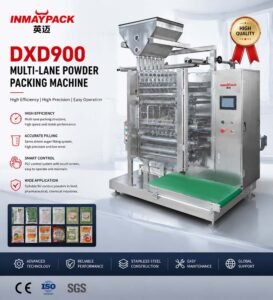
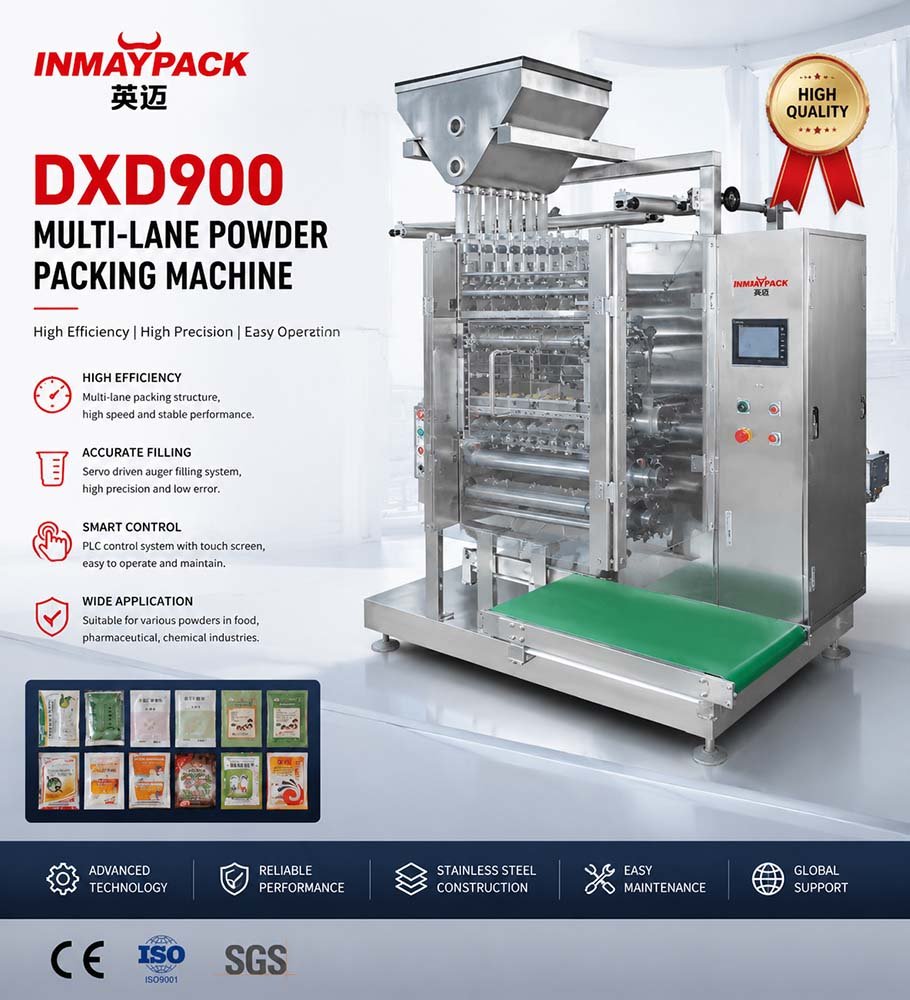
| Multi-lane flat sachet | Wide film web, parallel forming and dosing lanes, sealing, cutting, lane discharge and collection. | Lane count, web width, filler distribution, lane-level controls, dust or drip management, inspection and downstream handling. |
| Multi-lane stick pack | Narrow stick formation, parallel dosing, longitudinal and cross sealing, cutting and discharge. | Stick width, lane count, dosing consistency, film tracking, tear feature, count or cartoning interface. |
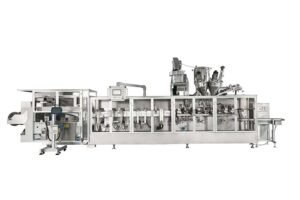
| Special sachet or flat-pouch system | Format-specific forming, filling, sealing and optional fitment or special-cut operations. | Custom tooling, film construction, fitment handling, product access, cleaning and validation work. |
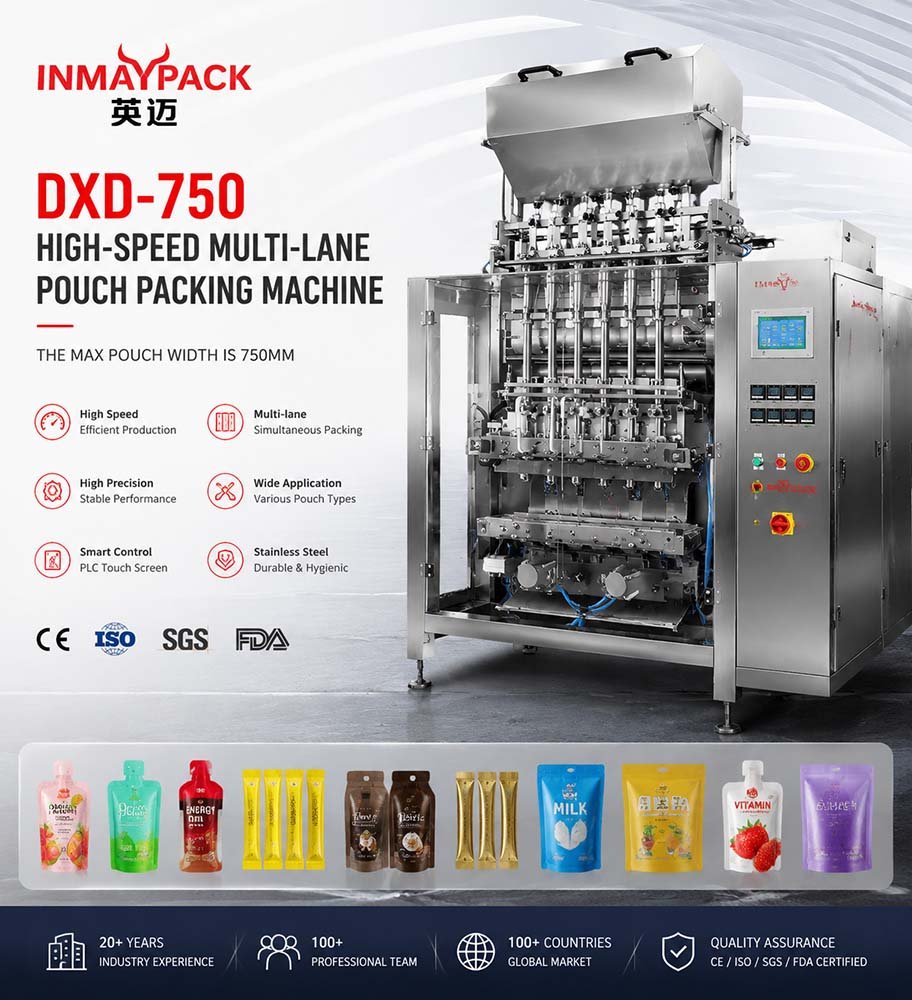
Use the sachet packing machine overview to identify the correct equipment family. First use the stick pack vs sachet decision guide to define the finished package; then compare the multi-lane sachet machine and stick pack machine routes before requesting a price.
What changes the sachet packing machine price?
A requirement changes price when it changes hardware, tooling, controls, testing effort or the supplier’s delivery boundary. These items should be visible in the quotation rather than hidden inside a model name.
Product and dosing route
Powder flow, liquid viscosity, granule size, dose range, temperature, dust, foam, drip and cleaning needs determine the feeder, filler and product-contact path.
Lane count and output basis
More lanes add parallel product distribution, forming, sealing and cutting positions. The quotation should state accepted packs per minute for the named product, dose, film and quality criteria.
Film and pack format
Web width, material structure, print registration, sachet or stick dimensions, seal width, tear feature and cut style affect film handling, tooling and change parts.
Coding, inspection and reject
Date coding, code verification, checkweighing, metal detection, vision, seal checks and reject confirmation add devices, controls and acceptance tests.
Feeding and downstream scope
Product elevators, hoppers, dust extraction, tanks, pumps, discharge conveyors, counting, cartoning and case packing change the project boundary and integration work.
Changeover and sanitation
Format range, tool-free adjustments, removable contact parts, washdown limits, recipe control and cleaning access affect both capital cost and recurring production time.
My Insight
The lowest quoted machine total is often the quotation with the shortest scope. If a supplier excludes product feeding, coding, inspection, change parts, FAT materials, commissioning or spares, the apparent saving may simply move cost and risk to the buyer.
Normalize scope before negotiating price. Every excluded item that production still requires needs an owner, an interface, an acceptance method and a budget.
Build a complete project budget
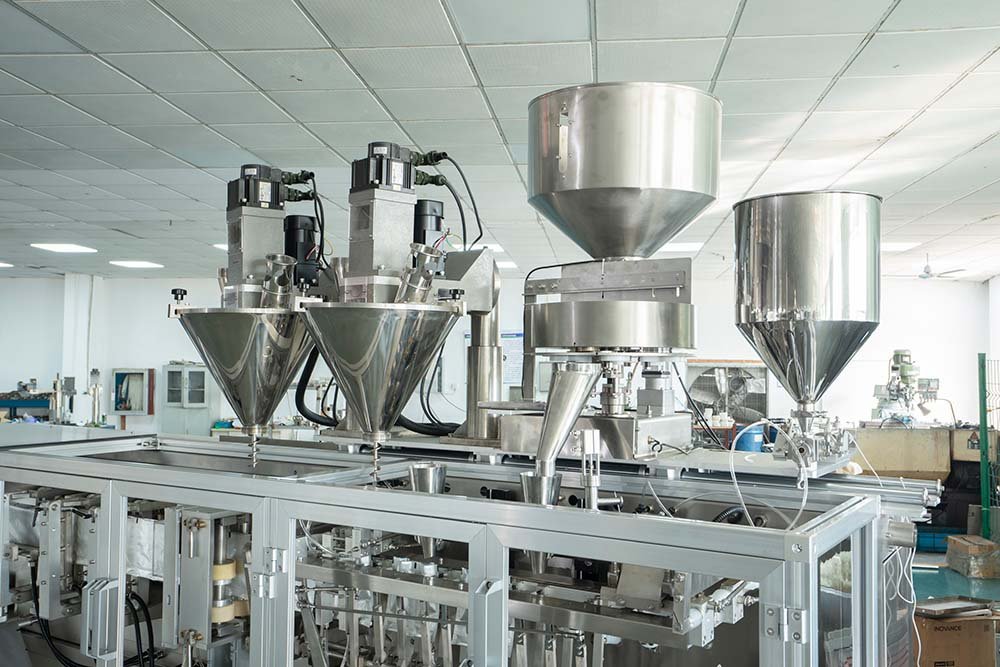
The equipment total is only one layer of the investment. A useful budget follows the machine from factory scope to accepted production at the buyer’s site.
| Budget layer | Confirm in writing | Common comparison gap |
|---|---|---|
| Primary equipment | Machine, filler, tooling, guarding, controls, change parts and standard documentation. | One quotation includes the dosing system while another lists it separately. |
| Auxiliary and inspection scope | Feeding, product conditioning, coding, inspection, reject, discharge, counting and downstream interfaces. | The base machine price excludes devices required by the production specification. |
| FAT and sample work | Product, film, test duration, sample size, accepted output, defect criteria, evidence and retest rules. | “Factory tested” is stated without a controlled acceptance plan. |
| Export and delivery | Export packing, inland movement, freight, insurance, named place and exact Incoterms rule. | Suppliers quote different delivery points or risk-transfer boundaries. |
| Site and commissioning | Utilities, unloading, rigging, installation, travel, labor, training, materials and production support. | Commissioning is offered without defining duration, responsibilities or exclusions. |
| Lifecycle readiness | Commissioning spares, wear parts, critical spares, manuals, backups, maintenance tasks and replenishment rules. | The line is delivered without a recovery plan for high-consequence parts. |
The selected ICC Incoterms rules affect cost, risk and responsibility boundaries. Record the exact rule and named place in every comparison.
Use the pouch packing machine spare-parts guide to separate commissioning, wear and critical spares before the purchase order.
Normalize every supplier quotation to one comparison sheet
Do not compare totals until the offers answer the same production requirement. A one-page normalization sheet makes exclusions visible and prevents output claims from being separated from their test conditions.
| Comparison field | Required entry | Why it matters |
|---|---|---|
| Finished pack | Seal style, dimensions, film structure, print repeat, tear feature and cut style. | Defines forming, sealing, registration and tooling scope. |
| Product and dose | Product identity, behavior, dose range, tolerance basis, temperature and cleaning constraints. | Defines filler, contact path and test method. |
| Accepted output | Accepted packs per minute, named format, product, film, run duration and quality criteria. | Prevents comparison of theoretical cycles with saleable output. |
| Machine boundary | Included feeder, filler, coder, inspection, reject, discharge and downstream interface. | Shows whether two totals cover the same equipment. |
| Format scope | Base format, additional formats, included change parts, adjustment method and changeover target. | Reveals future tooling and downtime requirements. |
| Acceptance scope | FAT inputs, sample size, test duration, evidence, defect limits, retest and sign-off. | Connects the purchase promise to objective proof. |
| Commercial boundary | Currency, validity, taxes, delivery rule, named place, packing, freight, commissioning and payment milestones. | Enables a landed and installed comparison. |
| Lifecycle scope | Warranty boundary, support channel, documentation, software backup, training and initial spares. | Exposes recovery risks after production starts. |
For a clear process view before comparing high-output quotations, read how a multi-lane stick pack machine works. Use the machine FAT checklist to convert accepted output, defects and evidence into an approval plan.
Send a quotation-ready requirement package
A supplier can return a more useful configuration when the request contains controlled inputs instead of only a product name and target price.
Define the saleable pack
Attach the sachet or stick drawing, film structure, artwork repeat, seal style, tear feature, cut style, dose range and approved sample if available.
Describe the product behavior
Record bulk density or viscosity, particle size, temperature, flow, dust, foam, drip, aeration, allergen or sanitation constraints and the required product-contact materials.
State accepted output
Define accepted packs per minute for each priority format, with the named product, film, dose, run duration, weight or volume criteria and package-defect limits.
Draw the line boundary
Mark which party supplies product feeding, filler, tanks or hoppers, coding, inspection, reject, discharge, counting, cartoning and plant interfaces.
Define FAT and delivery
List sample quantities, test materials, evidence, sign-off, packing, Incoterms rule and named place, commissioning responsibility, training and documentation.
Include lifecycle requirements
Request change parts, cleaning method, backups, maintenance information, commissioning spares, wear parts and critical-spares recommendations for the delivered configuration.
- Use a controlled requirement revision so every supplier answers the same input.
- Ask suppliers to mark every item as included, excluded, optional or buyer-supplied.
- Reject speed statements that do not name the product, dose, format and acceptance basis.
- Keep country-specific duties, taxes and local site costs outside generic online price claims.
If powder and liquid routes are still being compared, review the dedicated powder sachet packing machine and liquid sachet packing machine pages before finalizing the request.
Technical references
- ISO 12100:2010, Safety of machinery: risk assessment and risk reduction. Use the applicable machinery risk-assessment requirements when defining machine and line scope.
- IEC 60204-1:2016, Electrical equipment of machines: general requirements. Confirm the project’s applicable electrical and documentation requirements in the technical specification.
- ICC Incoterms rules. State the chosen rule and named place to define delivery responsibilities clearly.
Related INMAYPACK resources
Request a scope-normalized sachet machine quotation
Send the product data, pack drawing, film specification, dose range, required output, line boundary and FAT expectations. INMAYPACK will review the application and return a configuration for the defined production requirement.
Email: sales@ewpackmachinery.com · WhatsApp: +86 186 5879 9162