
A stick pack is a narrow portion pack; a sachet is a broader family of small sealed packets. The words describe finished-package geometry, not one universal machine architecture. A stick pack commonly uses a narrow back-seal format. A flat sachet may use three-side, four-side or another approved seal layout.
Choose between them by the product dose, required opening experience, printable area, film use, sealing window, lane layout, secondary packaging and accepted-output test. Do not choose from appearance or advertised cycle rate alone.
Stick pack and sachet solve different package tasks
Both formats can hold a measured portion, but their shape changes how the consumer handles the pack and how the production line forms, fills, seals, inspects and groups it.
Choose a stick pack when
The approved dose and product can use a long, narrow pack; controlled pouring or direct consumption matters; the available artwork fits the narrow faces; and the line can manage the required lane distribution and downstream collection.
Choose a flat sachet when
A wider presentation area, different tear or opening behavior, a broader dose geometry, four sealed edges or a specific retail and secondary-pack presentation is part of the controlled package requirement.
DecisionPack geometry
Stick packLong and narrow, normally designed around one controlled dose and an approved length-to-width relationship.
Flat sachetWider rectangular presentation with seal geometry defined by the controlled drawing.
DecisionOpening and use
Stick packTear location, pour direction and product release from a narrow opening require confirmation.
Flat sachetTear notch, opening width, squeeze or pour behavior and complete product evacuation may differ.
DecisionArtwork area
Stick packLimited face width makes code position, registration and mandatory information important early decisions.
Flat sachetA wider face can provide more presentation space, but seal margins and cut position still reduce usable artwork.
DecisionProduction layout
Stick packOften reviewed as a parallel-lane roll-film process with lane-by-lane filling and cutting.
Flat sachetMay use a multi-lane vertical route or a horizontal form-fill-seal route, depending on pack, product and output.
DecisionSecondary packaging
Stick packNarrow packs may need controlled counting, alignment, bundling or cartoning after lane discharge.
Flat sachetWider packs may need stacking, shingling, counting or orientation control before the next machine.
Decision rule: approve the finished pack and how it will be opened, displayed and collected before selecting the machine model.
The package name does not define the complete machine
Two suppliers can quote different architectures against the same phrase. The useful comparison follows the material from roll unwind to accepted secondary-pack output.
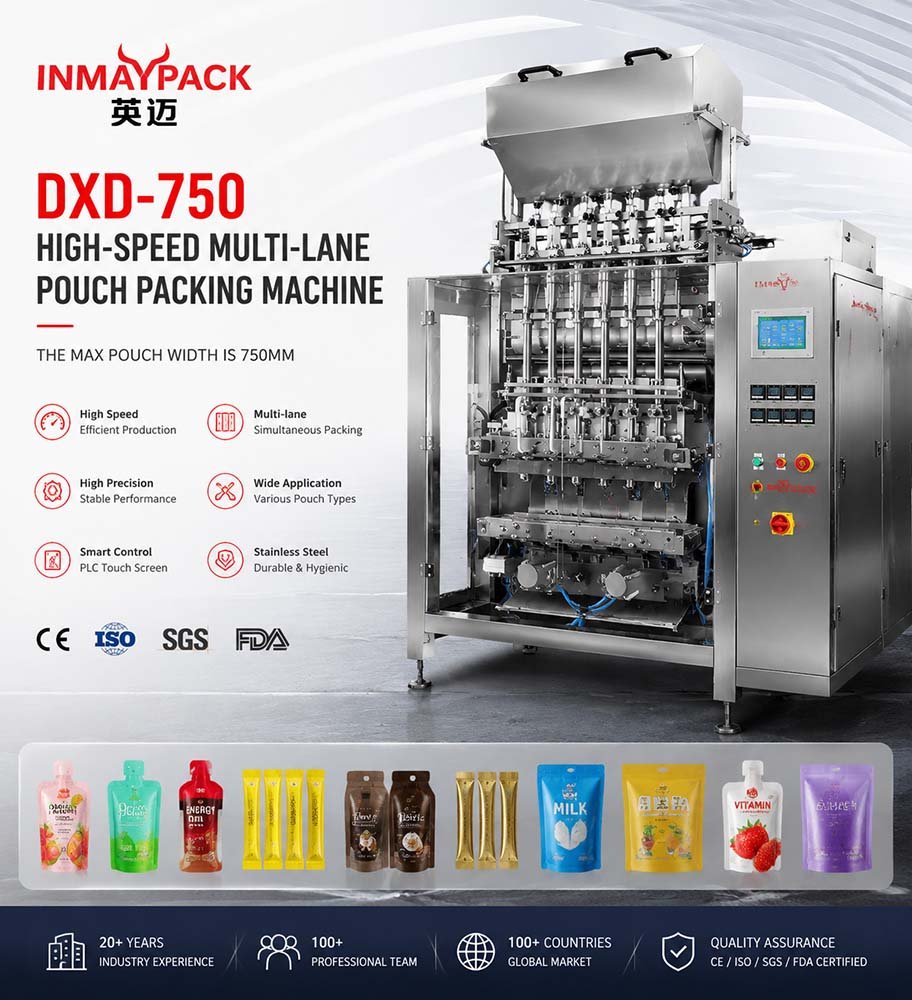
Multi-lane stick-pack route
Confirm web width, lane pitch, lane distribution, individual dosing paths, longitudinal and cross seals, cutting, counting and the way finished packs leave parallel lanes.
Multi-lane flat-sachet route
Confirm the number of parallel sachets, web layout, four-side sealing geometry, lane-to-lane dose control, cutting pattern and downstream separation.
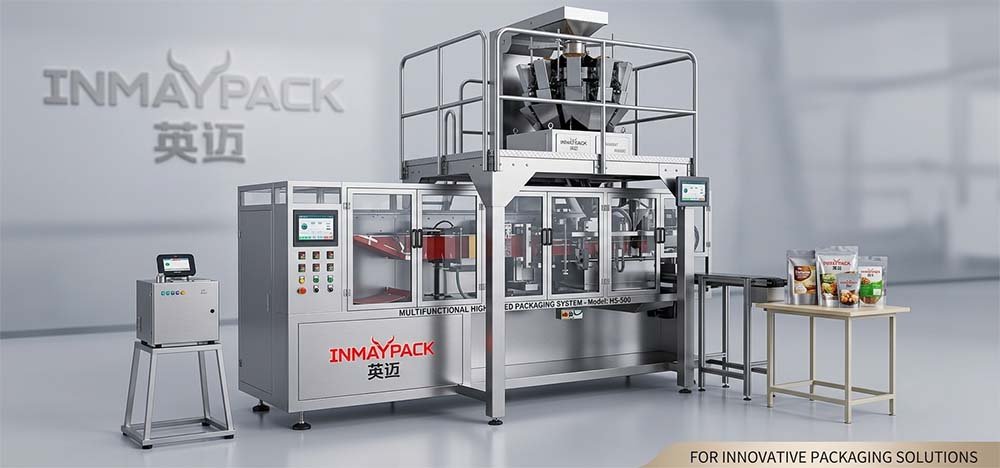
Horizontal flat-sachet route
Confirm film folding or forming, intermittent transport, sachet opening or filling access, seal sequence, cut position and the supported product-filling system.
Complete line boundary
Include product feeding, coding, inspection, reject handling, collection and cartoning interfaces. These items can decide usable output even when the primary packer cycles correctly.
Use the sachet packing machine selection page for the full equipment family. Compare the stick pack machine route with the 3-side and 4-side seal sachet route only after the package requirement is clear.
Match the filler to the material before fixing the format
A narrow pack can look efficient on a drawing and still fail if the product does not feed, dose, settle or clear the seal area consistently.
Characterize the product
Record powder flow, dust and aeration; liquid viscosity, foam and stringing; or granule size, breakage and segregation under the intended operating condition.
Define the dose window
List nominal dose, approved tolerance basis, recipe range, refill condition and the method used to verify each pack.
Test the package path
Check filling access, product release, headspace, trapped material, seal cleanliness and the pack condition after discharge.
A smaller package can create a harder dosing problem
Reducing width changes the target opening, product path and space available before sealing. I would not approve a stick conversion from a flat sachet using only the same nominal dose. The trial should use the real product, film, lane layout and agreed defect rules.
Compare material use with the same protection requirement
A geometry may use less web area per dose, but that does not prove a lower total packaging cost. Barrier, seal width, trim, print repeat, startup waste and rejected packs belong in the same calculation.
Controlled package drawing
Specify finished width and length, seal widths, tear feature, code area, artwork repeat, cut location and allowed dimensional tolerances.
Film supplier data
Provide structure, thickness, sealant layer, roll direction, print repeat, registration mark, coefficient of friction, core, roll and splice conditions.
Sealing window
Agree temperature, pressure and dwell variables only with the selected material and machine contact geometry. Appearance alone is not a seal-integrity test.
Opening performance
Verify notch position, tear propagation, opening size, product release and any consumer-use condition relevant to the approved pack.
When several lanes share one web, print and seal variation must be reviewed across the web rather than only at the center lane. The multi-lane sachet configuration guide explains why web width, lane count, filling and discharge must be treated as one system.
Compare accepted packs, not packs per cycle
Lane count multiplied by cycling speed is not an accepted production result. The filler, film, sealing, inspection and collection system must sustain the same test.
BasisControlled inputs
RecordProduct batch and condition, dose, film, artwork, finished-pack drawing and machine configuration.
Decision effectResults from different inputs are not equivalent evidence.
BasisSustained run
RecordRun duration, replenishment, operator actions, planned stops and downstream condition.
Decision effectShort demonstrations can hide refill, lane and collection constraints.
BasisDefect rules
RecordDose, registration, cut, seal, code, appearance, leak and other agreed rejection criteria.
Decision effectGross output can rise while accepted output falls.
BasisMaterial accounting
RecordGood packs, startup and changeover film, trim, rejected packs and product loss.
Decision effectThe lower film area on paper may not create the lower operating cost.
BasisSecondary pack
RecordCount, orientation, bundle or carton condition accepted by the next process.
Decision effectUncontrolled discharge can move labor and loss downstream.
For quotation normalization, use the sachet packing machine price guide. It separates the primary machine, filler, auxiliaries, inspection, FAT, delivery, commissioning and spares instead of treating the model price as the whole project.
Use one FAT structure for both package options
A fair comparison uses the same production requirement and evidence standard. Only the package-specific checks should change.
Record installed filler, lane or forming configuration, tooling, recipe, product, film and all operator adjustments before the run.
Use an agreed sample plan and measurement method across lanes, startup, steady production and the relevant refill condition.
Measure dimensions, registration, cut and tear features; inspect seals using the agreed method; and record product contamination or trapped material.
Separate accepted packs, rejects, rework, empty cycles, stops and material waste. State the calculation method in the FAT record.
Test registration loss, missing product or fill request, web end, blocked discharge, reject handling and controlled restart where included.
Demonstrate the agreed product or format change, parts and recipe control, cleaning boundary and first-off release check.
If the project connects inspection, counting or cartoning, define every signal and responsibility in the packaging system integration checklist before the factory test begins.
Send one comparison pack to every supplier
The supplier can recommend stick pack, flat sachet or both only when the product and accepted package are defined well enough to test.
- Product: sample availability, operating condition, flow or viscosity, dust, foam, fragility and cleaning needs.
- Dose: nominal values, approved tolerance basis, recipe range and measurement method.
- Package: drawings for each candidate format, film specification, artwork, opening and barrier requirements.
- Output: accepted packs per minute by priority product and format, run duration and defect rules.
- Line scope: feeding, coding, inspection, reject, counting, collection, cartoning, controls and utilities.
- Delivery scope: destination, commercial term, documents, FAT, training, commissioning, spares and support.
Stick pack vs sachet FAQ
What is the main difference between a stick pack and a sachet?
A stick pack is a narrow portion package, commonly with a back seal. Sachet is a broader term for small sealed packets, including flat three-side and four-side seal formats. The approved drawing—not the label alone—defines the production requirement.
Does a stick pack always use less film?
Not automatically. Compare finished web area, seal widths, lane trim, artwork repeat, startup and changeover waste, rejected packs and the barrier structure required for the same product. A smaller nominal pack is not a complete material-cost calculation.
Which format is better for powder?
Either may work. Powder flow, aeration, dust, target dose, opening size, settling, seal contamination and consumer use determine the better route. Test the actual powder and film on the proposed lane and dosing configuration.
Can the same machine make stick packs and four-side seal sachets?
Do not assume so from a series name. The web path, forming parts, lane layout, longitudinal and cross seals, cutters and controls may differ. Ask the supplier to identify the exact approved formats and change parts for the quoted configuration.
Is a multi-lane machine always faster?
More lanes can increase gross output, but accepted production also depends on product distribution, dosing, film control, seals, lane variation, inspection and downstream collection. Compare accepted packs under one sustained test basis.
What should be tested before choosing the format?
Test dosing, filling access, seal cleanliness, registration, dimensions, cut and opening behavior, product release, accepted output, rejects and downstream handling using representative product and packaging material.
Continue with the route supported by the finished pack
Need both package formats reviewed against one product?
Send the product, dose, stick-pack and sachet drawings, films, target accepted output and required downstream condition. INMAYPACK will identify the missing tests before recommending a project route.







