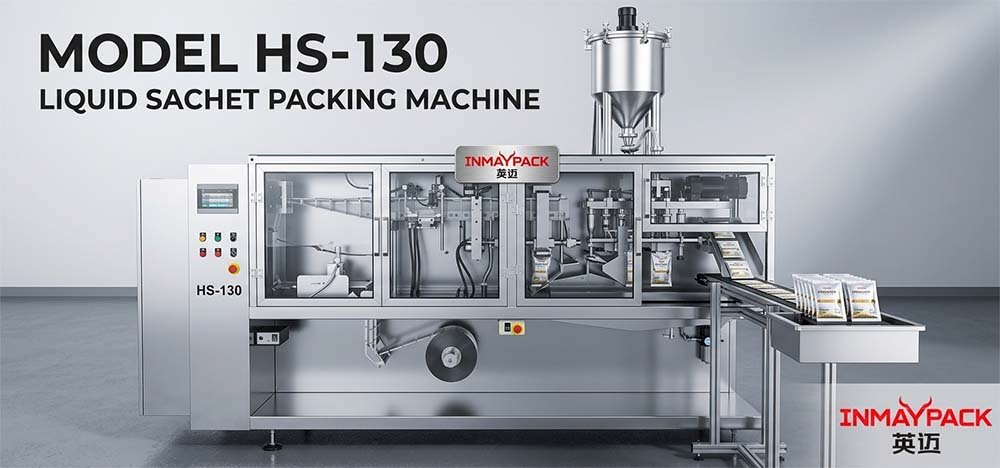
Flat sauce sachets
For small roll-film portions where dose, cutoff and seal cleanliness are controlled within a compact flat pack.
Review liquid sachet machinesPackaging systems configured around your application Defined project scope

Configure sauce filling and packaging machines for sachets, doypacks, spout pouches and supplied premade bags. Match the product-contact path, pouch handling and closure process to your recipe, dose and cleaning requirements.
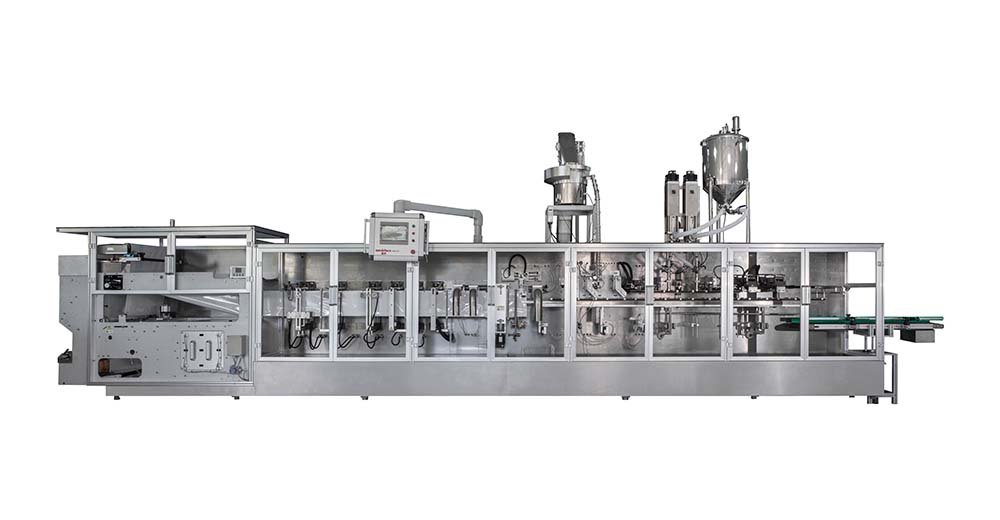
The term sauce packaging machine covers several production architectures. The line may form a small flat sachet, form a stand-up or spout pouch from roll film, or fill a supplied premade pouch. These routes do not share the same pouch handling, filling access, seal arrangement or cleaning boundary.
A water-thin dressing, a smooth mayonnaise and a tomato sauce containing particulates can also require different product paths. The useful selection question is not simply “Which machine is fastest?” It is “Which filler and package architecture can handle the confirmed product while keeping the seal area clean and producing an accepted finished pack?” Juice, drink concentrates and other beverage projects can share some liquid-handling questions but require their own package, hygiene and acceptance review; compare the wider beverage packaging machine routes before fixing that line architecture.
Short answer: define sauce condition, dose range, pouch format and cleaning requirement first; then select the filling principle and machine route; finally confirm the proposal with representative product and package samples.
Use this application page to choose the sauce packaging route. Use each linked product page only after the package format and filling requirement are clear.
For small roll-film portions where dose, cutoff and seal cleanliness are controlled within a compact flat pack.
Review liquid sachet machines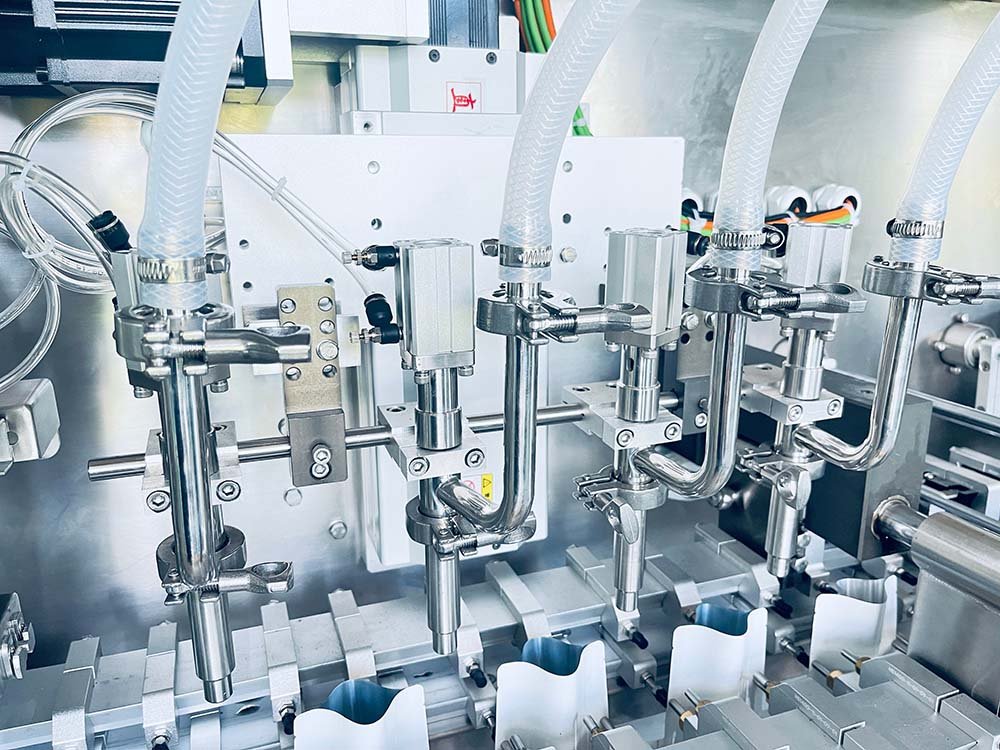
For doypacks formed, opened, filled and top-sealed within one horizontal form-fill-seal line.
Explore liquid doypack systems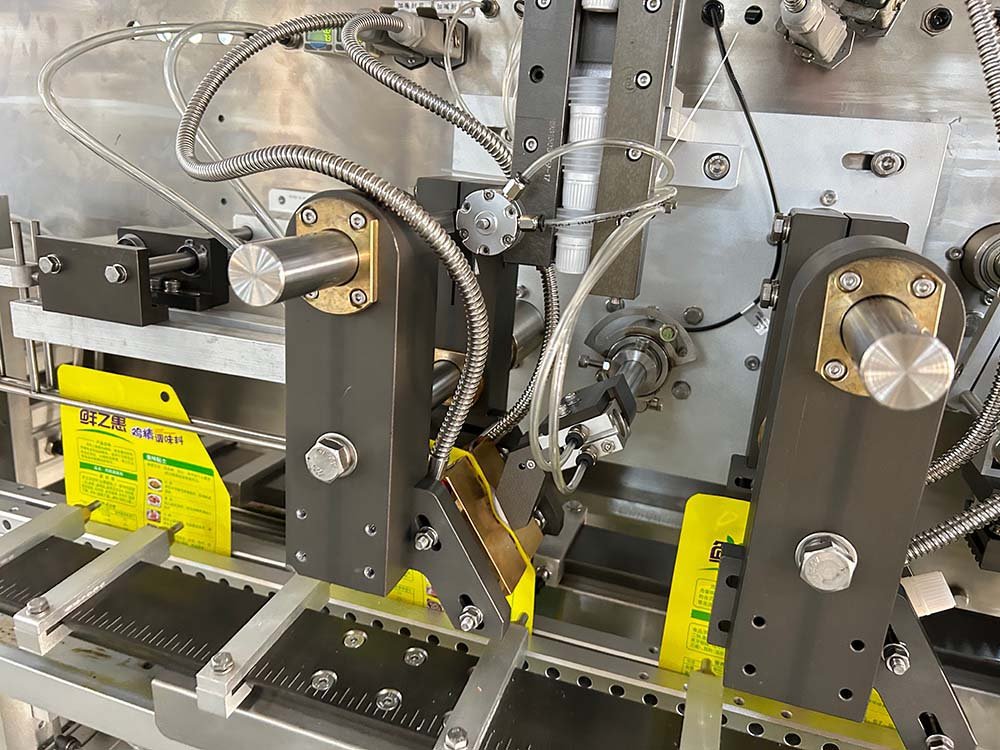
Combine pouch forming and sauce filling with the spout insertion, sealing and cap-handling operations specified for your package.
Review spout pouch lines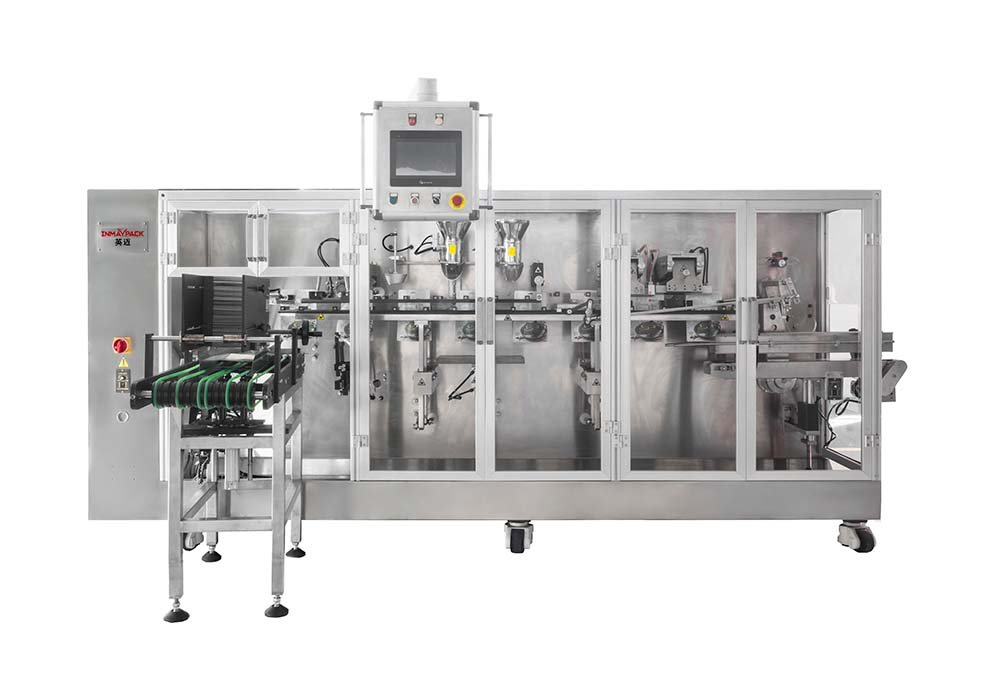
For supplied flat, stand-up or spouted pouches that need controlled pickup, opening, filling, sealing and discharge.
Explore premade pouch fillingFor individual ketchup or condiment portions, use the sauce sachet packing machine review to define the recipe, dose, film and seal checks before fixing the configuration.
For a mayonnaise or ketchup project forming top-spout pouches from roll film, review the HMS320 full-servo doypack configuration. Confirm the product, film, pouch, spout, cap and accepted-output test together; other recipes require their own filling and cleaning assessment.
For a roll-film duplex ketchup pouch project, review the HS-1400D horizontal doypack configuration. Specify the recipe, pouch drawing, filling arrangement and accepted-output requirements together.
The video shows a tomato-paste stand-up pouch process with a center cap. Define the sauce, dose, pouch drawing, spout and seal arrangement, cleaning requirements and finished-pack output together when specifying your line.
For a deeper engineering review, use the top-spout doypack guide for sauces.
For a tomato sauce or ketchup project, use the tomato sauce filling machine application guide to define pulp or seeds, separation, filling temperature and cutoff before comparing package routes. Use the recipe and package specifications to select the product path, filling equipment and operating conditions.
Record the actual production condition rather than using a broad label such as “sauce” or “paste.”
Confirm viscosity range, suspended pieces, fibers and settling. These influence product path, metering principle, valve and nozzle.
State the operating temperature and whether agitation, heating or product recirculation is required before and during filling.
Drip, stringing and splash can contaminate the pouch mouth. Nozzle motion and time before sealing need a defined process window.
Define contact materials, access, drainage, disassembly, cleaning method and the buyer's verification requirement.
Check flow at filling temperature, splash, nozzle cutoff and pouch-mouth cleanliness. Define the minimum and maximum dose together.
Review product supply, temperature, shear, aeration and restart behavior. Include cleaning and the full recipe range in the review.
Record particle size and distribution. Review passage through the pump, valve, nozzle and fitment, plus settling and closure contamination.
For chili sauces with seeds, flakes or suspended pieces, review the hot sauce packaging machine application guide to connect the particle profile, product path, nozzle cutoff and cleaning requirements to a representative pouch trial. For chili sauces, specify the required filling temperature separately from the product name.
A useful quotation separates the pouch machine, dosing system and optional line equipment while defining how they interface.
On smaller screens, scroll the comparison table horizontally.
| Decision factor | Flat sachet | Roll-film doypack | Spout pouch | Premade pouch |
|---|---|---|---|---|
| Package supply | Roll film | Roll film | Roll film plus confirmed spout/cap route | Supplied finished pouch |
| Typical buyer task | Small portion pack | Stand-up retail pouch | Controlled dispensing and reclosure | Use a preproduced pouch format |
| Critical interface | Cutoff before perimeter sealing | Opening, filling and top-seal cleanliness | Spout presentation, weld/cap and filling access | Pouch pickup, opening and stable support |
| Evidence to request | Representative sauce and packaging samples, agreed test duration, accepted finished packs, rejects and recorded machine conditions | |||
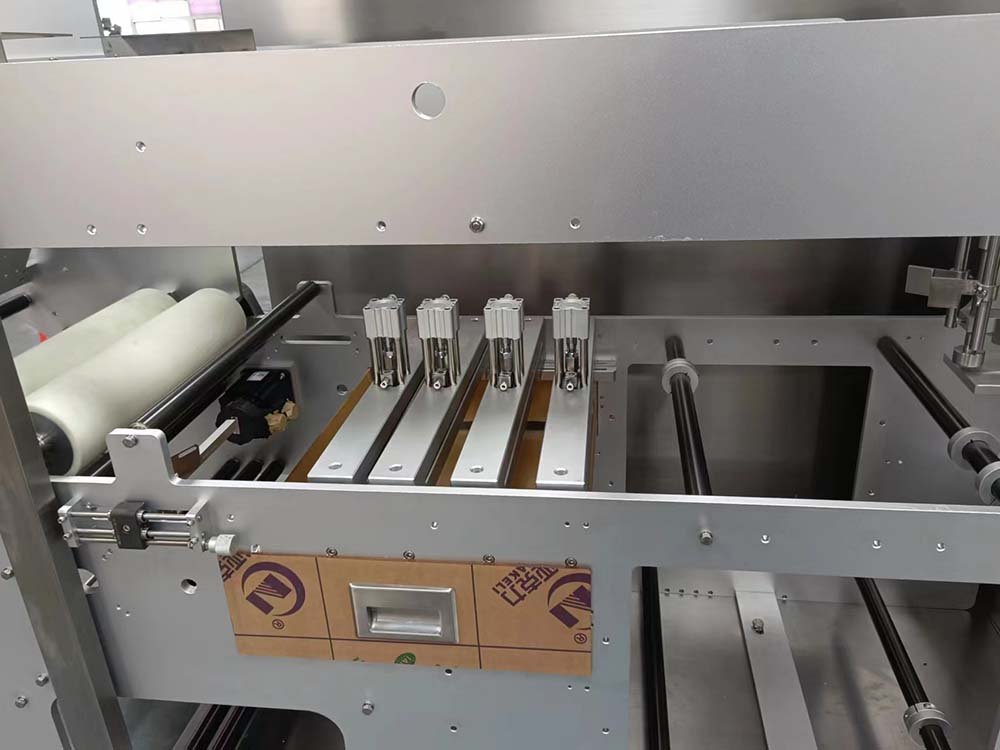
Send the product and package information needed to evaluate dose repeatability, pouch opening, splash control, seal cleanliness and capping as one production sequence.
Engineering checkpoint: approve the machine around an agreed product-and-package test. The sauce filler, pouch handling and sealing sequence must work as one timed process.
A sauce packaging machine price is meaningful only when the package route and supplied equipment are defined. A pump quotation, a pouch machine without product supply and a connected filling-and-packing system describe different purchases. Send the same product and package brief to each supplier and ask for an itemized scope.
Identify the selected machine, pouch handling or film-forming equipment, filler, tank or hopper, valves, hoses and nozzles. Record which parts contact the sauce and which need removal for cleaning. State whether heating, agitation, level control or recirculation is included, optional or provided by the buyer. List the included functions and selected options in the equipment specification.
List the approved pouch or film drawing, first format set and additional change parts. For spout pouches, identify who supplies the fitments and caps, where filling takes place, and whether the machine inserts a spout, applies a cap or only seals a pouch mouth. Coding, inspection, rejection, conveying and collection each need their own equipment and responsibility boundary.
A supplied pouch with its spout already fitted is a different starting point from forming and fitting a spout pouch from film. Review the premade spout pouch filling and capping route when the project requires filling through that existing fitment.
Separate buyer utilities, upstream sauce preparation, installation access and third-party integration from the machine price. Agree the test materials, acceptance method, documents, training, shipment boundary and commissioning responsibilities in the proposal. Delivery dates, warranty and service terms belong in the issued commercial documents, not an assumed standard package.
The packaging machine RFQ brief builder helps organize these inputs before a configuration is priced. If a supplier proposes an alternative process, compare the changed scope explicitly rather than comparing only the quoted totals.
Build a recipe matrix before selecting the filler. For each sauce, record its condition at filling, dose, suspended particles, tendency to separate, and the package used. For sauces containing seeds, fibers or larger pieces, specify particle size and distribution alongside the pump, valve, nozzle and fitment passages.
For mayonnaise, use the mayonnaise packaging machine selection guide to review formulation, filling temperature, shear and aeration, nozzle cutoff and cleaning across sachet, roll-film doypack and premade-pouch routes. Include the intended recipe, filling temperature and cleaning procedure in the equipment review.
Ask for a trial covering the relevant production variation: the sauce at the intended temperature, the planned dose extremes, replenishment and restart after a normal stop. Inspect both the fill result and the pouch-closing area. Record dripping, stringing, foaming, trapped product and damaged pieces separately so that a satisfactory average fill does not hide a packaging problem.
Agree access to tanks, pumps, valves, hoses and nozzles, including drainage and parts that require removal. Identify who specifies the cleaning medium, compatible materials, inspection method and release criteria. Where CIP is required, define the cleaning circuit, connected equipment, utilities and verification responsibilities in the project scope.
For a recipe change, review residual product, color or flavor carryover and any allergen controls required by the buyer. Define the buyer's sanitation approval criteria alongside the equipment cleaning and reassembly procedure. Ask for the assembly instructions and inspection points needed to return the equipment to the approved production condition.
INMAYPACK engineering note: select the trial around the condition most likely to interrupt production, not just the easiest sauce to demonstrate. A useful comparison preserves the recipe, package, settings and acceptance method so that proposed changes can be evaluated on the same basis.
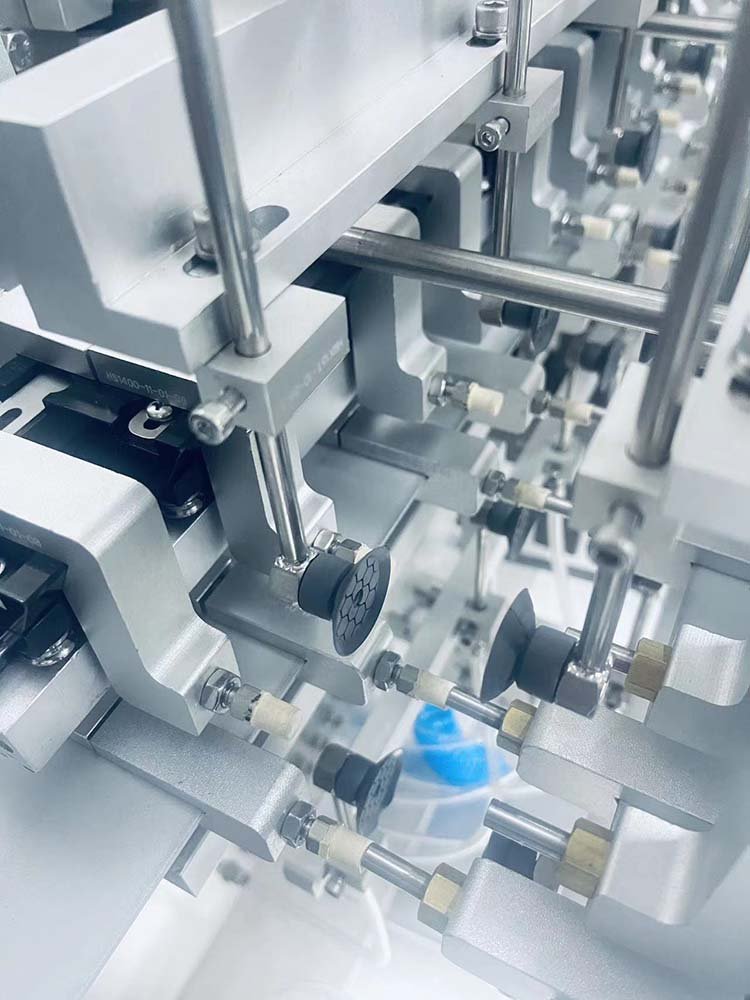
Specify the product batch, filling condition, package components, dose, test duration and selected inspection before the run. Count conforming finished packs separately from rejects, startup waste and retained samples. Record filler cycles, machine speed and conforming finished-pack output as separate measurements.
On smaller screens, scroll the acceptance table horizontally.
| Check | Agree before testing | Keep in the record |
|---|---|---|
| Dose and refill | Target, permitted variation, measurement method and product-supply condition | Individual results, sample timing and observations before and after replenishment |
| Pouch closure | Seal or cap checks for the actual film, pouch, spout and cap combination | Retained packs, visible contamination, leaks or closure defects and the agreed test results |
| Stops and restarts | Normal stop, product interruption and downstream-block response where included | Machine state, affected packs, rejection and the first accepted packs after restart |
| Recipe or format change | Selected change, cleaning boundary and first-off approval | Parts and settings changed, checks performed and remaining open actions |
| Handover | Final equipment list, drawings, recipes, manuals and responsibilities | Approved configuration and unresolved items before the agreed release decision |
Define seal-integrity, cap and handling checks with the buyer's product and package requirements. Assign product thermal-process validation and shelf-life assessment to the responsible process and quality teams, using the approved product and package methods.
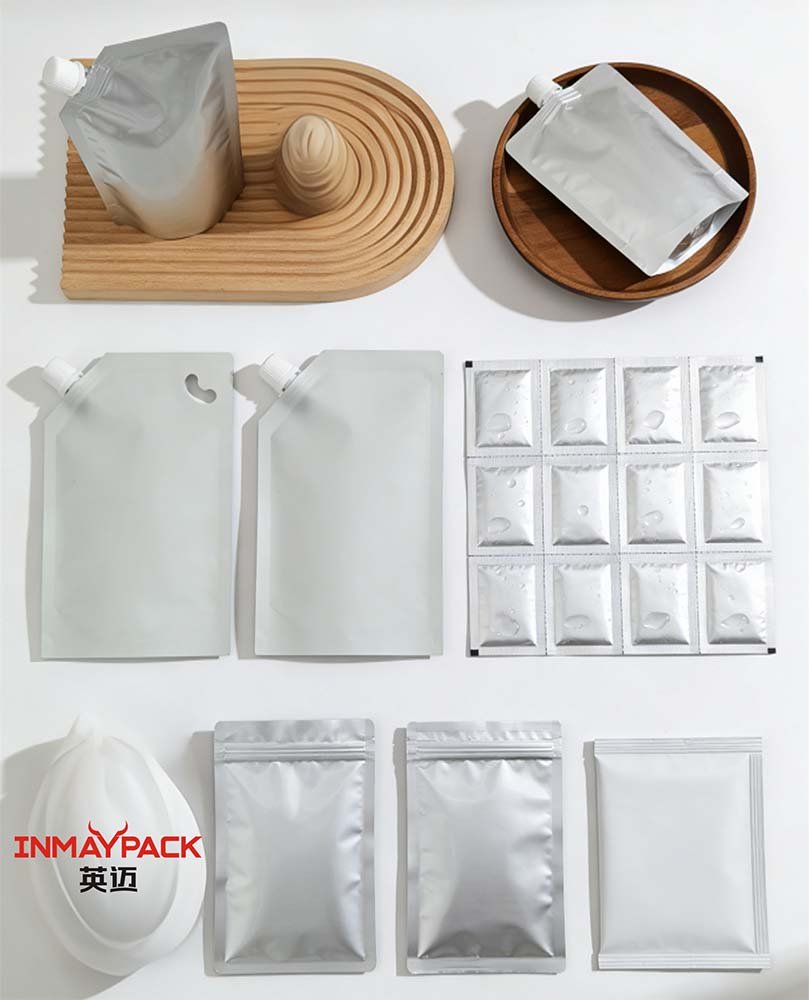
Select the pump, valve and nozzle for the viscosity, filling temperature and dose range of both recipes. Verify flow, cutoff and cleaning with representative samples before setting the operating recipe.
Submit the particle distribution and the controlled spout drawing. Review passage through the complete filling path, not only the visible spout opening. Bridging, damage to pieces, uneven distribution and closure contamination must be considered with representative samples.
Send the portion size, package drawing, batch schedule, required accepted output, available space and expected recipe changes. These inputs determine the package route, machine footprint, lane count and product-supply arrangement.
Cap handling is specified as part of the selected pouch route. The proposal identifies whether the pouch arrives with a spout, where sauce enters, and which insertion, sealing and capping operations are supplied.
Specify filling temperature, product-contact components, package materials and the closure process in the project brief. Hot-fill, aseptic or retort requirements need a defined process and equipment scope. Product and package validation establish the intended shelf life.
The filler, package route, change parts, product preparation, inspection and installation scope can change the purchase substantially. An itemized quotation based on one agreed product-and-package brief is more useful than a price that excludes equipment needed for the actual line.
These pages cover the wider liquid-system decision, filler integration and one specific sauce pouch route.
Compare liquid sachet, doypack, spout-pouch and premade-pouch architectures across a broader product range.
Match product behavior and dosing architecture to the package route before fixing the machine.
Review pouch, spout, filling and sealing risks for one roll-film sauce packaging route.
INMAYPACK will review your recipe, fill quantity, package route and connected equipment for an itemized quotation.