Technical explainer | Published July 30, 2026
A premade pouch machine is not accepted when it merely picks a bag and makes one seal. The pouch must be separated, oriented, opened, held, filled and transferred without damaging the material or contaminating the seal area.
The correct engineering question is whether the supplied pouch range remains controllable through every physical handoff. This guide gives the inputs, checks and trial evidence needed before a premade pouch filling machine configuration is frozen.
Use the pouch vs bag packaging terminology guide to separate the market name from the supplied package and machine route.
Quick answer: start with actual pouch samples and define the pouch material, dimensions, gusset, zipper, spout, opening stiffness, surface finish, product, dose, filling interface and acceptance method. Then verify feeding, single-pouch separation, opening, gripper support, seal-area cleanliness and transfer at the agreed condition. Do not accept a configuration from a generic pouch size range alone.
Define the actual pouch inputs before choosing hardware
Premade pouches may share a nominal width and height while handling differently. A zipper, gusset, spout, handle, matte surface, static charge, laminate stiffness, pouch curl or variable stack presentation can change the pickup, opening and support condition.
Pouch geometry
Width, height, bottom gusset, top opening, seal margins, zipper, spout, handle and feature positions must come from a controlled drawing and physical sample.
Material behavior
Laminate stiffness, surface friction, slip, curl, static, thickness distribution and storage condition affect separation and opening.
Product and dose
Product behavior determines nozzle, funnel, settling time, splash, dust, strings, drip control and the space needed before sealing.
Acceptance boundary
Define what counts as an accepted pouch: pouch orientation, opening, dose, seal area, final seal, code, appearance and downstream handoff.

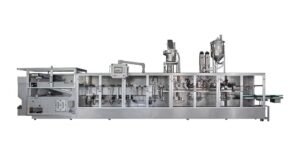
Use the premade pouch packing machine product page for the commercial configuration route. Use this guide to turn a pouch sample into testable handling requirements.
Premade pouch handling is one control chain
A fault at one station often appears later. A double pick may become an incomplete opening; weak gripper support may become an off-center fill; a contaminated upper margin may become a seal defect. Record the first physical event instead of repairing the final symptom only.
| Handling stage | What must remain controlled | Evidence at the trial |
|---|---|---|
| Magazine and separation | Correct pouch orientation, single-pouch pickup and a stable supply presentation. | Pickup result, double-pick count, missed-pick count and pouch condition. |
| Opening | Reliable mouth opening with enough access for the intended filling interface. | Opening confirmation, failed-opening rejects and observed pouch deformation. |
| Gripping and transfer | Support position, grip force, feature clearance and stable presentation through filling and sealing. | Skew, edge damage, pouch slip and transfer evidence. |
| Filling | Product enters without splash, dust, strings or pouch displacement. | Seal-area condition, dose result and cleaning observations. |
| Sealing and discharge | Approved seal process, feature position and downstream transfer. | Seal-test result, appearance, code and downstream inspection record. |
Do not tune all stations at once. When a pouch fails to seal, first preserve the pouch and process state, then determine whether the earliest abnormal event was pickup, opening, gripper transfer, filling or the seal process itself.
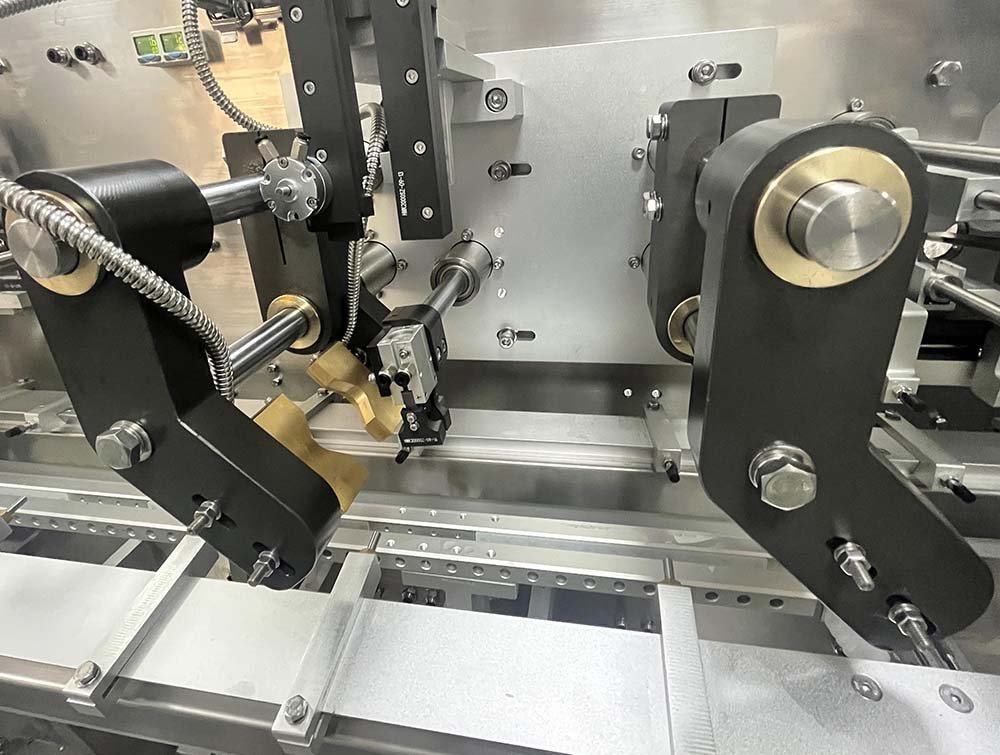
Verify opening and fill access with the real pouch
Opening is not a visual check. The opening must be repeatable, wide enough for the installed filling interface, and stable until product transfer is complete. A bag that opens at low speed may still collapse, wrinkle or shift at the intended production condition.
Confirm the separation result
Verify that the pickup device takes one pouch in the correct orientation without scuffing the surface, damaging a zipper or pulling a second pouch from the magazine.
Check the opening confirmation
Use the installed sensing and machine sequence to distinguish a true open mouth from a partially opened, folded or mispresented pouch.
Match opening to the filler
Check nozzle or funnel clearance, entry height, product fall, air displacement and the support needed to keep the pouch in position.
Review all requested formats
Test the smallest, largest and most difficult supplied pouch variants, not only the easiest standard sample.
The pouch filling system guide covers product behavior and dosing selection. It does not replace this pouch-specific handling validation.
Moving to a higher-output supplied-pouch line? Compare the SG-series high-speed premade pouch machine configurations only after pouch pickup, opening, fill access and the accepted-output test have been defined with production-intent samples.
Protect the seal area before the jaws close
The sealing station cannot correct product, dust, liquid, strings or damaged laminate already present in the top margin. Define the permitted seal area and inspect the actions that can disturb it: pouch position, filler entry, nozzle withdrawal, product cutoff, settling time, anti-drip control and gripper release.
| Observed condition | First control to check | Acceptance evidence |
|---|---|---|
| Product in the top margin | Nozzle or funnel position, product cutoff, drip/string behavior and settling time. | Clean seal area before jaws close and approved seal test. |
| Pouch moves during filling | Opening support, gripper condition, filling rate, nozzle interaction and transfer timing. | Stable pouch position and repeatable fill presentation. |
| Seal wrinkle or feature distortion | Gripper location, pouch geometry, zipper/spout clearance, jaw alignment and film condition. | Controlled feature position and acceptable finished pouch. |
| Variable final seal | Sealing recipe, temperature, pressure, dwell, jaw condition and actual contamination source. | Approved test method and retained production samples. |
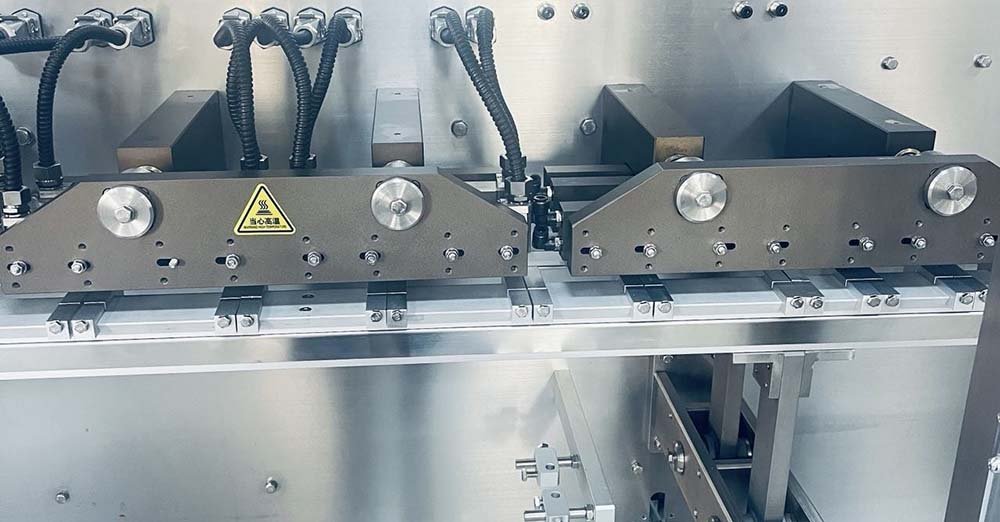
Use the stand-up pouch seal integrity guide to define the seal process window and test method once the pouch handling sequence is stable.
My Insight
A premade pouch is a handling component as well as a package. If the trial treats the pouch as a passive container, the project can approve a filler and seal station before proving that the bag can be presented consistently to either one.
The most useful test keeps the real pouch, real product and final acceptance checks together. It reveals whether an adjustment solves the first cause or merely moves a defect to the next station.
Write the handling trial into the URS and FAT
Specify the test with the actual pouch family, product, filling system, required formats, expected operating state, run duration, accepted output and quality checks. A generic claim that a machine handles a pouch size range is not enough evidence for a released project.
| URS or FAT item | Define before the test | Retain as evidence |
|---|---|---|
| Pouch samples | Controlled drawing, supplier, material, features, dimensions and all representative formats. | Sample identity, revision and approved pouch set. |
| Handling sequence | Feeding, opening, gripping, filling, sealing, inspection and discharge conditions. | Observation log, reject reasons and accepted sample run. |
| Filling interface | Product, dose, nozzle/funnel, cleaning, product cutoff and seal-area limits. | Dose checks, seal-area inspection and cleaning record. |
| Acceptance result | Opening, pouch position, feature integrity, seal, code and downstream condition. | Accepted count, rejected count and test results. |
| Format change | Parts, recipe, pouch magazine, gripper adjustments, first-off approval and release. | Change record and incoming-format accepted sample. |
Use the pouch packing machine changeover guide to convert the approved format list into controlled parts, recipes, cleaning and release actions. For the architecture decision itself, compare HFFS and premade pouch machines before tooling is fixed.
Acceptance rule: use a project-specific limit only after the pouch, product, test duration and method are agreed. This article supplies the validation structure; it does not invent universal speed, reject or changeover values.
Technical references
Electronic Code of Federal Regulations - 21 CFR Part 117
OSHA - The control of hazardous energy
Related INMAYPACK guides
Send a pouch sample and handling requirement
Send the pouch drawing, physical samples, product, dose range, requested features, format list and acceptance criteria. INMAYPACK can review the pouch-handling chain and define a project-specific trial basis.
Reply: sales@ewpackmachinery.com | WhatsApp: +86 18658799162