Technical explainer | Published July 30, 2026
Film waste cannot be reduced by watching one reject counter. Startup threading, registration correction, roll changes, format changeovers, sealing faults and planned samples create different losses and require different controls.
On a horizontal form-fill-seal line, the useful metric is material consumed per accepted pouch under a defined production condition. That connects roll issue, machine events, rejected pouches and saleable output without hiding short but expensive loss periods inside a long average.
Quick answer: divide the job into cold start, restart, splice or roll change, format change and steady production. Weigh or measure the film issued and recovered, count accepted pouches, assign every loss to one reason code, and retain the machine state that produced it. Correct the largest repeatable loss bucket first. Do not lower total waste by weakening seal, registration or fill-quality acceptance.
Set the material boundary before calculating waste
A film-waste figure is only comparable when the start point, end point and exclusions are fixed. Record the job, film roll identity, laminate, pouch repeat, width, machine recipe, product, target speed, lane configuration and acceptance tests. Then reconcile material input with accepted production and physically recovered waste.
Do not mix film loss with product loss. A pouch rejected before filling may consume film only. A pouch rejected after filling may consume film, product, closure and inspection capacity. Keep the material streams separate, then combine them only for the final cost review.
Separate film loss by production phase
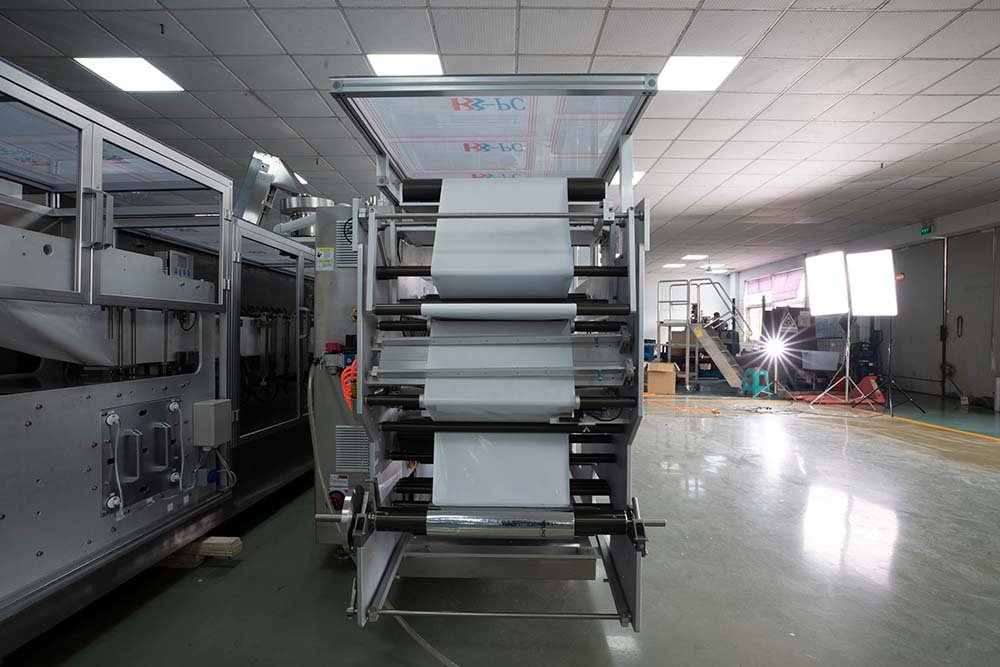
A single shift average hides the event that creates the waste. The same line can have an acceptable steady-state rate and still lose excessive material at every restart or format change. Use separate buckets and preserve their sequence.
| Production phase | Start and end boundary | Evidence to retain |
|---|---|---|
| Cold start | From first web threading or machine start to the approved first-off sequence. | Threading length, heating readiness, first mark detection, first seal and release sample. |
| Restart after a stop | From restart command to stable accepted production. | Stop reason, web position, temperature state, retained pouches and restart recipe. |
| Roll change or splice | From controlled slowdown or stop to accepted output after the joint passes all required stations. | Roll identity, splice construction, tail length, splice detection and rejected pouch count. |
| Format change | From last accepted outgoing pouch to released incoming-format production. | Parts, recipe, film, settings, first-off checks and approval time. |
| Steady production | A defined run after startup conditions have stabilized. | Accepted output, reason-coded rejects, stops, samples and recovered scrap mass. |
Use reason codes that point to a control
Keep planned samples visible. Hiding them inside an unexplained scrap total prevents production and quality teams from agreeing on the real improvement target.
Control startup scrap with a fixed readiness sequence
Startup waste usually grows when film is allowed to move before the process is ready, or when operators correct several settings at once. Build a release sequence that proves each prerequisite before the next material-consuming action.
Confirm the roll and web path
Verify roll identity, winding direction, width, print repeat, splice status, centering and the approved threading route before traction begins.
Reach the controlled machine state
Confirm guards, utilities, seal-zone readiness, recipe revision, tooling, filler condition and downstream availability.
Establish tension before registration correction
Present a stable web to the sensor and traction system. Do not use electronic offset to compensate for lateral drift or an unstable unwind.
Release filling only after pouch position is proven
Use the installed detection logic and agreed first-off checks so product is not added to pouches that are not correctly formed, opened or positioned.
Save the accepted startup state
Record the approved recipe, roll reference, sample and operator check so the next restart begins from evidence rather than memory.
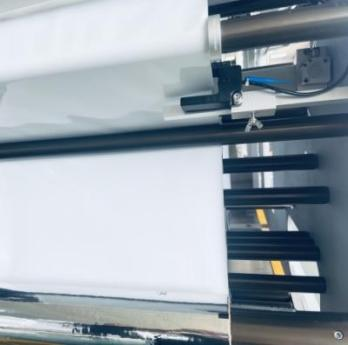
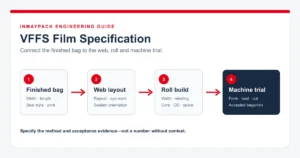
The Doypack film specification for HFFS machines defines the converter and roll inputs. The horizontal form-fill-seal process guide shows where those inputs enter forming, filling and sealing.
Reduce registration loss by matching the correction to the error
Printed pouches can be rejected because the web is laterally displaced, the print mark is not detected, longitudinal correction is unstable, the film slips under dynamic load, or the approved artwork does not match the physical print-to-cut geometry. These faults should not share one generic "registration" reason code.
| Observed waste signature | First distinction | Do not do first |
|---|---|---|
| Artwork moves left and right | Check lateral web position, roll build, guiding and unwind alignment. | Do not change longitudinal cut offset. |
| Cut error grows in one direction | Check repeat length, traction, slip and mark-to-mark correction history. | Do not move the sensor without recording the existing geometry. |
| Random missed marks | Check contrast, sensor presentation, contamination, flutter and speed response. | Do not mask the fault by widening an acceptance window without testing. |
| Constant error at every speed | Check recipe, sensor-to-cut distance, approved artwork and print repeat. | Do not tune tension to correct a fixed geometry error. |
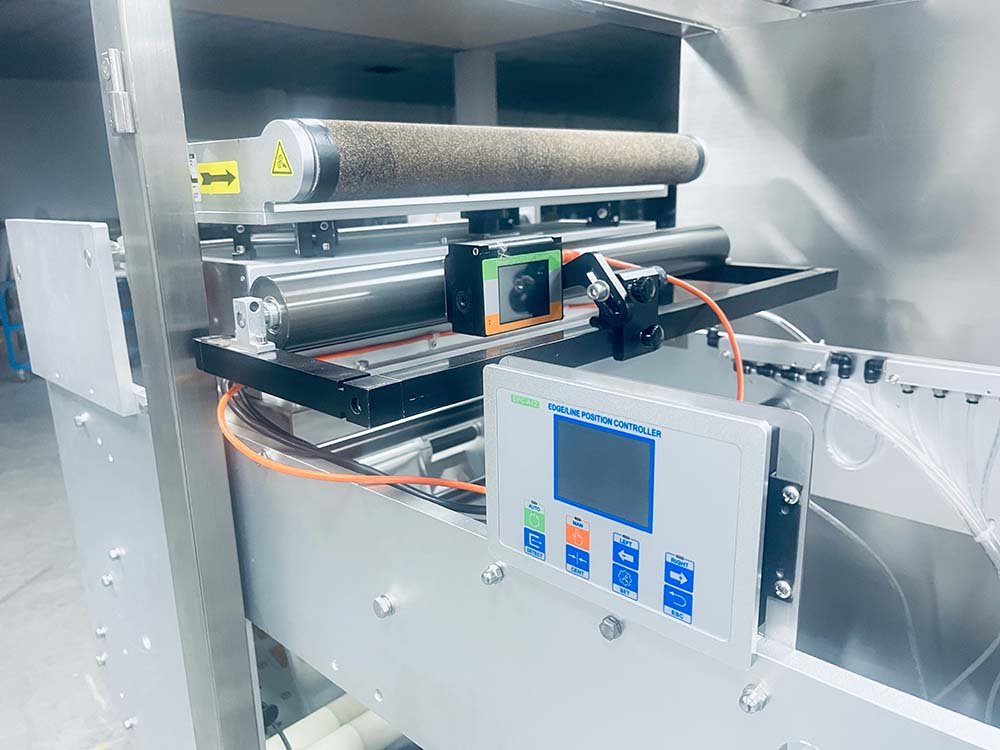
Use the HFFS pouch registration control guide to separate lateral drift, longitudinal error and artwork geometry before changing settings. That diagnostic route reduces repeated test film because every correction has a stated hypothesis and a return-to-baseline step.
Control changeover waste as a released production event
Changeover waste is not only the film used while parts are changed. It includes leftover outgoing material, threading of the incoming roll, recipe verification, registration correction, first-off rejects, quality tests and any restart after the line is declared ready.
Prepare before the last accepted outgoing pouch
- Confirm the incoming film, product, tooling, filler parts, recipe revision and acceptance sample.
- Stage cleaned and inspected format parts in installation order.
- Record the retained outgoing roll and product disposition.
- Define who can edit protected settings and who releases the first accepted production run.
- Separate cleaning time from material-consuming setup time.
Release with evidence, not visual judgement alone
The first pouches must meet the same agreed requirements that define accepted steady production. Depending on the project, that can include registration, pouch dimensions, opening, dose, seal appearance, approved seal test, coding and downstream inspection. Use the pouch packing machine changeover guide to control parts, recipes, cleaning and first-off release without duplicating instructions.
My Insight
The shortest startup is not the one that produces the first pouch fastest. It is the one that reaches a repeatable accepted state with the fewest uncontrolled adjustments.
When a team changes tension, registration offset, temperature and speed together, it may eventually make acceptable pouches, but it cannot reuse the result reliably. A good waste-reduction plan preserves the last accepted state, changes one bounded cause at a time and records the evidence required to return.
Write film waste into the URS and FAT
A supplier cannot prove waste performance from a generic brochure value. The URS and factory acceptance test must define the product, film, pouch, format, machine state, test duration, planned samples, accepted-pouch criteria and method used to collect scrap.
| Requirement | What to define | Evidence |
|---|---|---|
| Test boundary | Cold start, restart, roll change, format change or steady production. | Time-stamped start and end conditions. |
| Material basis | Approved film structure, roll identity, width, repeat and issued quantity. | Roll label, issue record and retained sample. |
| Acceptance basis | Pouch geometry, registration, fill, seal, code and downstream criteria. | Accepted count, rejected count and test records. |
| Waste collection | Physical segregation by reason code and planned activity. | Weighed or measured scrap with event log. |
| Recovery | Restart sequence after representative stops and a controlled roll change. | Recovery time, film consumed and accepted release sample. |
Acceptance rule: set the permitted value only after the representative film, pouch, product and test method are agreed. This guide provides the measurement structure; it does not invent a universal waste target for every laminate, format or line.
Connect this waste test to the pouch packing line bottleneck analysis. A line that runs faster but creates more startup scrap, registration rejects or seal failures may reduce accepted output rather than improve it.
Use one closed-loop waste reduction plan
- Choose one product and format. Do not mix fundamentally different film, pouch or cleaning conditions in the baseline.
- Measure the production phases separately. Record startup, restart, roll change, changeover and steady production.
- Reconcile physical material. Compare issued film, retained roll, recovered scrap and accepted pouches.
- Assign the first actionable cause. Preserve machine state and avoid counting secondary alarms as separate events.
- Correct the largest repeatable bucket. Change one bounded input and retain the before-and-after evidence.
- Verify package quality again. Waste reduction is invalid if acceptance limits were relaxed or defects moved downstream.
- Standardize the accepted state. Update recipes, work instructions, training and the next FAT or site-acceptance protocol.
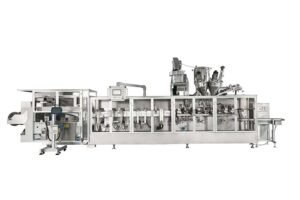
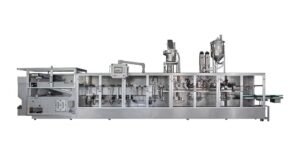
For machine selection, review the high speed Doypack packing machine as a complete production system rather than a rated cycle number. Film control must be evaluated with forming, filling, sealing and accepted output.
Technical references
EUR-Lex - Regulation (EU) 2025/40 on packaging and packaging waste
U.S. EPA - Sustainable Materials Management waste hierarchy
Related INMAYPACK guides
Define a film-waste trial before the machine test
Send the pouch drawing, film specification, roll information, product, format matrix, target accepted output and current waste records. INMAYPACK can review the likely loss boundaries and prepare a project-specific trial basis.
Reply: sales@ewpackmachinery.com | WhatsApp: +86 18658799162