Start with the package architecture. A “vacuum packaging machine for food” may mean a chamber sealer for supplied pouches, a roll-film line that forms a compact vacuum brick pack, or a premade-pouch system that controls residual air before sealing.
Short answer: select the route from the food, package supply method, required package shape, residual-air target, hygiene boundary and accepted output. Model selection comes only after those conditions are fixed.
What does “vacuum packaging machine for food” actually describe?
The search term covers several production architectures. They may all reduce air, but they do not use the same pouch, process sequence or acceptance criteria.
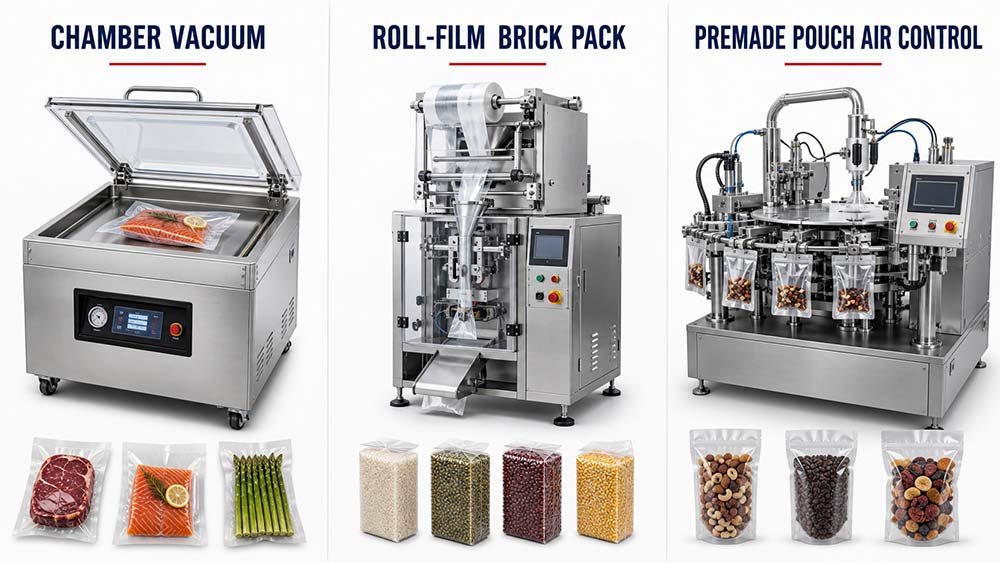
Chamber vacuum systems
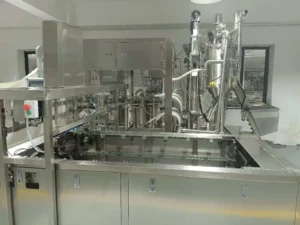
A filled, supplied pouch is placed in a chamber. The chamber pressure is reduced and the pouch is sealed before pressure returns to normal.
- Typical fit: meat, cheese, prepared foods and low-throughput portions.
- Core decision: chamber size, seal-bar length, product moisture and cycle time.
- Boundary: the machine does not form the pouch or automatically dose the food unless integrated with other equipment.
Roll-film vacuum brick packs
The line forms a package from roll film, measures the product, removes air and seals a compact pack in one automatic sequence.
- Typical fit: small dry granules requiring a dense rectangular pack.
- Core decision: product flow, dose, film structure, bag geometry and achievable cycle.
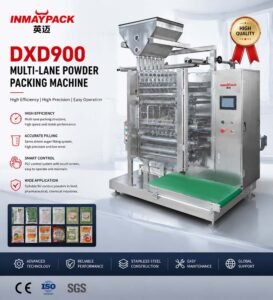
- Reference route: the YS-61XBK roll-film vacuum brick packing machine is specified for 1–100 g granule packs.
Premade-pouch air-control systems
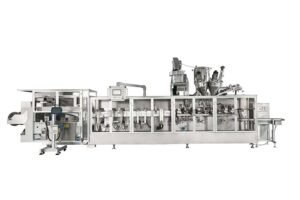
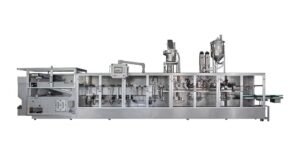
The line receives finished pouches, opens and fills them, then uses air exhaust, vacuum or gas control before final sealing.
- Typical fit: retail coffee, snacks, powders and mixed products in finished pouches.
- Core decision: pouch pickup, opening reliability, headspace control and seal-area cleanliness.
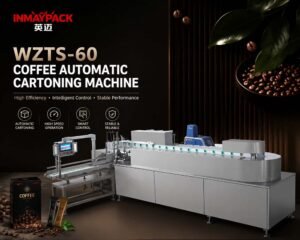
- Compare the premade pouch packing machine hub and the coffee bean packing machine route.
Compare the process boundary, not the machine label
| Decision factor | Chamber vacuum | Roll-film vacuum brick pack | Premade-pouch air control |
|---|---|---|---|
| Package input | Supplied pouch | Roll film | Finished premade pouch |
| Product loading | Manual or separately automated | Integrated dosing | Integrated filler selected for the food |
| Finished format | Flexible vacuum pouch | Compact back-seal brick pack | Retail flat, stand-up or zipper pouch |
| Best starting signal | Wet or portioned food; flexible throughput | Small, dry, flowable granules; defined dose | Retail presentation and multiple pouch formats |
| Primary validation | Vacuum condition, seal and chamber cycle | Dose, formed-pack geometry, air removal and seal | Pouch handling, residual air, seal and accepted output |
| Common selection error | Ignoring loading labor and chamber capacity | Assuming any powder or wet food will flow through the same dosing route | Treating pouch opening and headspace control as optional accessories |
Five decisions to make before requesting a quotation
1. Define the food and its safety boundary
Record moisture, oil, particles, temperature at filling, sensitivity to pressure and cleaning requirements. Reduced oxygen changes the package environment; it is not a universal food-safety treatment.
The FDA Food Code treats vacuum packaging as one form of reduced oxygen packaging and identifies hazards that may require control in the final package. Regulatory and HACCP decisions belong to the food producer and its qualified advisers, not to the machine supplier.
2. Choose the package supply method
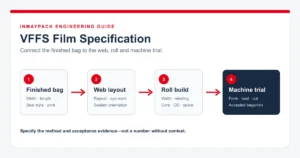
Decide whether the project will use roll film, an ordinary supplied vacuum pouch or a retail premade pouch. This decision changes the forming process, film specification, loading method, changeover and line footprint.
If the project is still comparing dosing and pouch architectures, use the pouch filling system selection guide before selecting a machine model.
3. Match product flow and dosing
Free-flowing coffee granules, irregular dried food pieces and fine cohesive powder do not use the same measuring method. Confirm density range, dust, bridging, particle damage and target dose.
The powder filling machine selection guide separates auger, cup and weighing routes before the packaging platform is fixed.
4. Define the required air condition
“Vacuum” must become an acceptance value or observable condition. Specify the required pack shape, residual-air target where measurable, leak limit, seal integrity, headspace appearance and storage condition.
Do not approve a line from an unloaded pump rating alone. The package, food, sealing process and complete cycle determine the finished result.
5. Set one accepted-output test
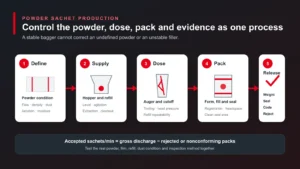
Define the production basis: real food, target dose, pouch or film, run duration, acceptable rejects and downstream condition. Then record good packs per minute rather than quoting only mechanical cycles.
- Package dimensions and appearance after pressure returns to normal.
- Seal integrity and leak-test method.
- Product loss, contamination and cleaning access.
- Restart performance after a planned stop.
What to send a supplier
- Product name, photos, samples and bulk density.
- Target dose range and tolerances.
- Controlled package drawing and film structure.
- Required accepted output and operating hours.
- Cleaning, coding, inspection and downstream requirements.
Vacuum packaging can help control oxidation and moisture loss, but it does not automatically make a perishable food shelf stable. The product formulation, validated process, packaging barrier, seal, residual oxygen, storage temperature and applicable regulations must be reviewed together.
A pump specification is not a finished-pack result.
I would not approve a food vacuum-packaging line from nominal vacuum level or cycles per minute alone. The useful evidence is a stable run with the real food and package, followed by agreed checks on residual air, pack geometry, seal integrity, leakage, rejects and restart performance. That evidence identifies whether the selected architecture actually fits the product.
Which route should you evaluate first?
Food vacuum packaging machine FAQ
What is a vacuum packaging machine for food?
Is a chamber vacuum sealer the same as a roll-film vacuum packing machine?
Can one food vacuum packing machine handle meat, coffee and granules?
Does vacuum packaging make food shelf stable?
What should be tested before buying an automatic vacuum packaging machine?
Primary food-safety references
- U.S. Food and Drug Administration, Food Code 2022 — reduced oxygen packaging definitions and control framework.
- USDA Food Safety and Inspection Service, Meat and Poultry Packaging Materials — vacuum and modified-atmosphere packaging overview.
- USDA Food Safety and Inspection Service, Can Clostridium botulinum be in vacuum-packaged foods? — low-oxygen safety reminder.
These references explain food-safety concepts. They do not replace the requirements of the destination market, a validated food process or advice from the responsible regulatory authority.
Send the food, dose and target package before selecting a model
INMAYPACK will separate the chamber, roll-film and premade-pouch routes, then define the samples and acceptance evidence needed for the proposed line.