Packaging systems configured around your application Defined project scope

Share your requirements • sales@ewpackmachinery.com

Coffee packaging system integration

Coffee Packaging Line Integration

Build the line around your finished coffee pack.

Define the finished pack, dosing method, machine interfaces, inspection points and handover evidence before comparing a coffee packaging line quotation.

Whole-bean pouchesGround and instant coffeeStick packsCapsules and cartons
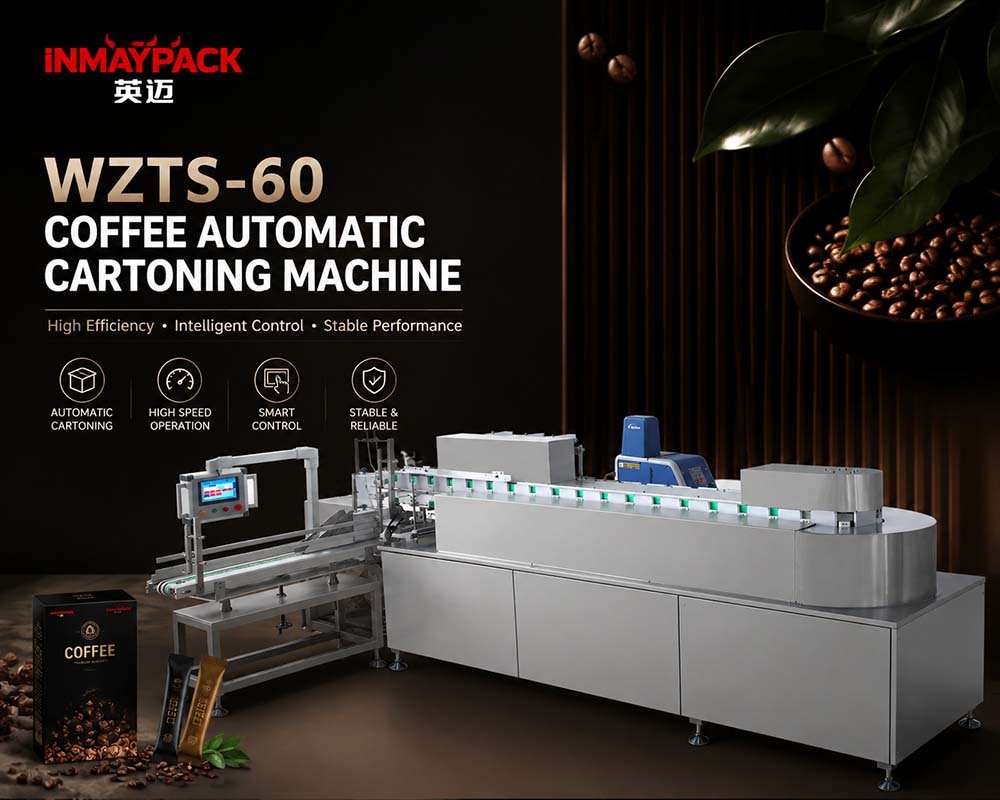
INMAYPACK coffee automatic cartoning machine
WZTS-60 / Secondary packaging referenceIndividual equipment references. Final line layout, connected equipment and inclusions follow the approved project scope.
Start with the finished pack

One coffee product can require four different packaging routes

A line should be selected from the product state and accepted retail pack backward. The reference routes below connect to the relevant machine pages; the issued quotation must still define the project-specific dosing, utilities, inspection and downstream scope.

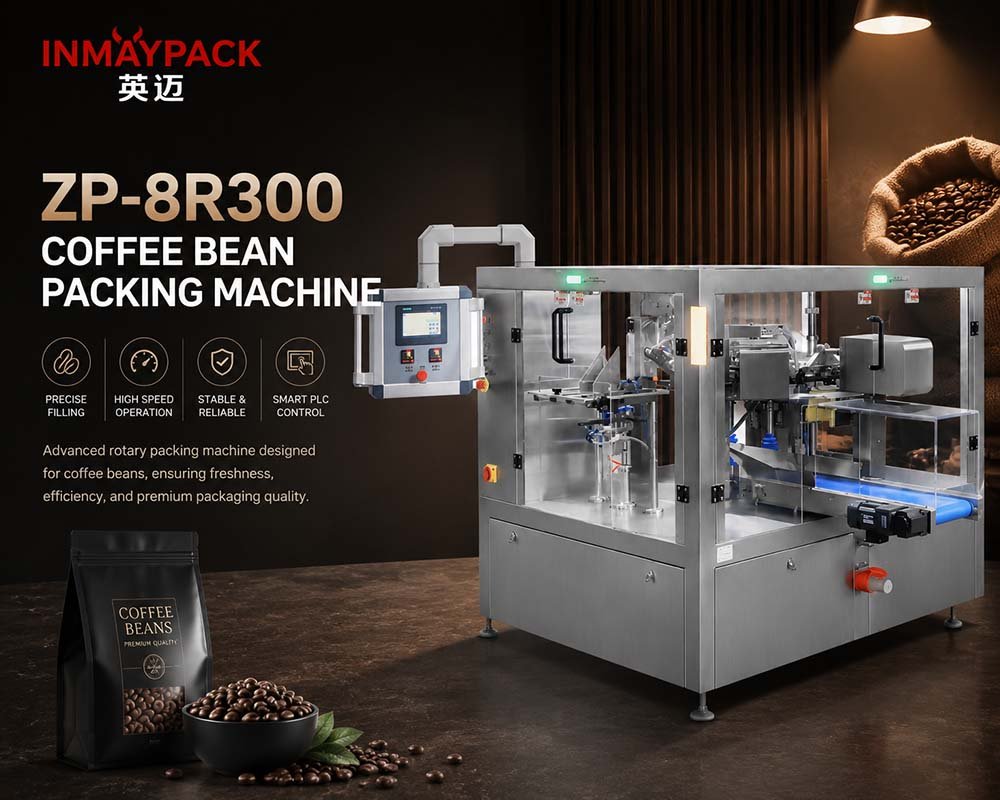
Coffee bean premade pouch packing machine
01 / COFFEE PACK ROUTE

Whole-bean pouch route

Whole beans, weighing and supplied premade pouches.

Review the bean pouch machine
Route and interface details

Match bean handling and weighing to the supplied premade pouch, closure and accepted seal condition. Pouch stiffness, zipper or valve details, fill height and residual air can change opening, settling and sealing decisions.

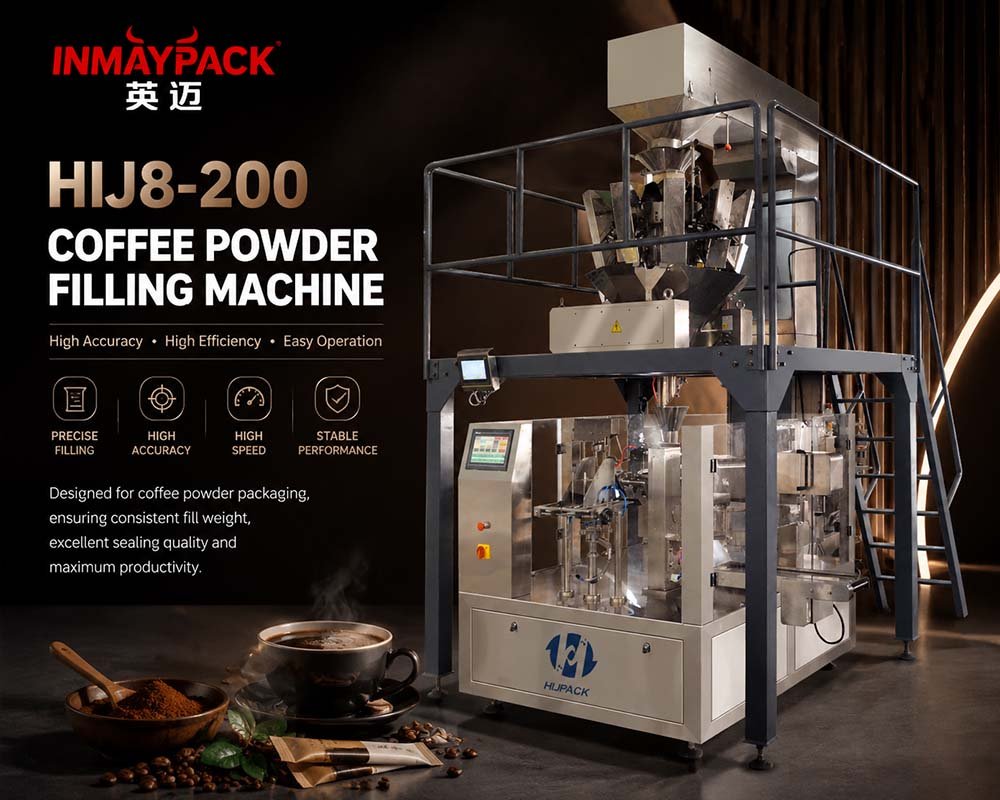
Coffee powder filling machine
02 / COFFEE PACK ROUTE

Ground or instant coffee route

Ground or instant coffee, powder dosing and pouch handling.

Review the coffee powder filler
Route and interface details

Define powder behavior, target dose, settling, dust control and seal-area cleanliness before choosing the filler. The quotation should separate the dosing unit from the primary packer and state how the two exchange requests, ready signals and faults.

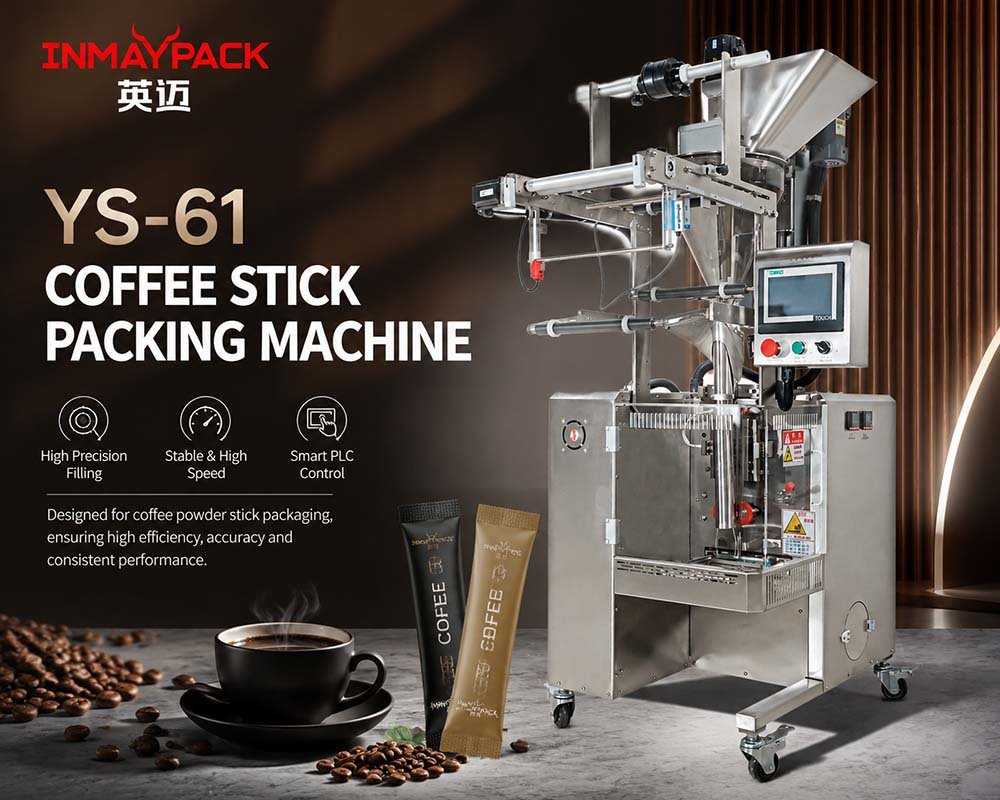
Coffee stick packing machine
03 / COFFEE PACK ROUTE

Stick-pack route

Single-serve coffee sticks, approved film and downstream grouping.

Review the coffee stick route
Route and interface details

Fix the recipe, film structure, stick dimensions, selected machine arrangement and accepted output test before sizing the system. Also define product replenishment, coding, counting and whether sticks leave the line loose, grouped or ready for cartoning.

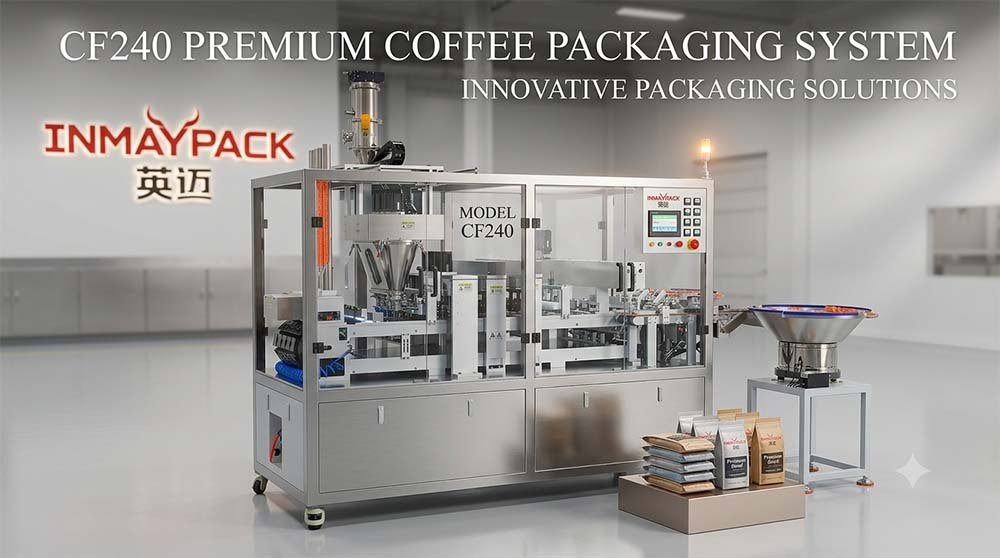
Coffee capsule filling and sealing machine
04 / COFFEE PACK ROUTE

Capsule-to-carton route

Capsule filling and sealing, with a defined cartoning handoff.

Review capsule filling and sealing
Route and interface details

Treat capsule feeding, dosing, lid handling, sealing, inspection, counting and cartoning as connected interfaces. Cup, lid and carton drawings must be controlled together because a change at one station can affect every downstream handoff.

For a single-serve format that combines a brew-function inner filter pack with a protective outer envelope, review the drip coffee packaging route before defining the wider coffee line boundary.

Integration sequence

Define every handoff before the line is priced

The useful comparison is not machine count. It is whether each quotation covers the same product condition, interface signals, reject logic, documentation and acceptance test. Every boundary should have an owner, a normal operating sequence, a defined response to upstream starvation or downstream blockage, and a restart condition.

Use the pouch packing line bottleneck analysis to test whether the coffee line is starved, blocked or constrained by dosing, sealing, inspection or downstream handling before adding equipment speed.

01

Product input

Present beans, powder, blend or capsule components at the agreed condition. Define low-level detection, replenishment ownership and the response when upstream product is unavailable.

02

Dosing

Match weighing or filling architecture to the real product and target dose. Record request, ready, complete and fault signals between the dosing unit and primary packer.

03

Primary pack

Form or present the pouch, sachet, stick or capsule, then fill and seal it. For coffee bags, use the coffee pouch packing stage to compare roll-film and premade-pouch handling before the connected line is fixed. Define missing-pack, failed-opening, no-product and seal-area responses for the selected route.

04

Identification

Specify required date, batch or traceability information, its print location and recipe ownership. If verification is required, define the result that releases or rejects the pack.

05

Inspection

Name each required check and the reject condition it protects. Confirm reject confirmation, containment, counting and the evidence retained during testing.

06

Secondary pack

Define counting, grouping, cartoning or downstream transfer. State the accepted orientation, spacing, buffer behavior and blocked-line response at the final handoff.

The line rate should therefore be reviewed at the accepted discharge point. A primary machine can cycle quickly while the connected system still loses output through replenishment, transfer, rejection, accumulation or cartoning constraints.

Project inputs

Prepare one shared coffee line brief before requesting quotations

A useful request for quotation gives every supplier the same product, package, output and site assumptions. Send representative samples and controlled drawings where available. If a value is not fixed, identify it as a decision point instead of allowing each supplier to make a different assumption. The coffee packaging machine quotation comparison guide helps normalize equipment scope, delivery, commissioning and accepted output before comparing totals.

01

Coffee condition

Coffee type, product condition and representative samples.

Complete project input

State whether the product is whole bean, ground, instant powder, a blended mix or a capsule dose. Describe normal variation, fines or dust, product temperature at packaging, and any holding or degassing step that remains upstream of the line.

02

Dose and finished pack

Net content, pack dimensions, closures and approved appearance.

Complete project input

Provide the target net content, acceptable limits and the approved finished-pack appearance. Include pouch, stick, capsule, lid, envelope or carton drawings and identify closures, valves, tear features and coding areas that the equipment must preserve.

03

Packaging materials

Premade packs or roll stock, material structure and samples.

Complete project input

Identify whether the primary package is supplied premade or formed from roll stock. Send the intended material structure, dimensions, print registration and representative production samples so feeding, forming, sealing and coding can be assessed together.

04

Accepted output

Accepted finished packs over one agreed production test.

Complete project input

Define output as accepted finished packs over an agreed run—not an isolated machine cycle. State how startup packs, rejects, planned stops, replenishment and downstream interruptions will be counted when suppliers compare line capacity.

05

Site and utilities

Available layout, access, electrical supply and compressed air.

Complete project input

Share the available footprint, ceiling and access constraints, operator and maintenance clearances, product-entry and discharge elevations, and available electrical, compressed-air, extraction and network conditions. Final utility values belong in the approved quotation.

06

Downstream finish

Loose packs, counted groups, retail cartons or case handoff.

Complete project input

Define the required state at line discharge: loose primary packs, counted groups, retail cartons or a handoff to case packing. Identify any required coding, inspection, reject containment, accumulation and transfer responsibilities.

Quotation boundary

A turnkey claim is only useful when inclusions and exclusions are explicit

Ask for a line-by-line scope rather than a single total price. The same phrase can describe anything from one primary packer with connection points to a coordinated system with dosing, inspection, conveyors, secondary packaging, documentation and commissioning responsibilities.

Upstream supplyProduct condition, buffer, hopper replenishment and any third-party equipment interface.
Primary packagingDosing, container or film handling, filling, sealing, coding and reject logic.
Secondary packagingCounting, grouping, cartoning, case handoff and the accepted finished configuration.
Controls and dataPermissives, alarms, recipe ownership, interfaces and required production records.
HandoverDrawings, manuals, spare-parts scope, training, test evidence and responsibility matrix.
Acceptance evidence

Build the FAT around the product and finished pack—not an empty-cycle headline

The accepted test basis should be agreed before production. It should use the supplied or approved coffee, packaging materials and component set wherever the project requires them.

01

Approved test materials

Use the agreed coffee and production packaging materials.

Acceptance test detail

Record coffee condition, target dose, packaging components, quantities available for testing and any permitted substitute. The result is only comparable when the test inputs are controlled.

02

Startup and run basis

Agree when counting starts and how interruptions are treated.

Acceptance test detail

Fix the test duration, startup treatment, replenishment method, planned stops and downstream operating condition. State when counting begins and which interruptions stop the test clock.

03

Accepted finished packs

Check the weight, seal, code and finished-pack criteria.

Acceptance test detail

Count output against agreed weight, seal, appearance, code and secondary-pack criteria. Separate machine cycles, produced packs, rejected packs and accepted packs in the result.

04

Fault and reject checks

Verify detection, rejection, reset and restart responses.

Acceptance test detail

Introduce agreed test conditions for missing product or pack, inspection failure and blocked or starved interfaces. Verify detection, containment, alarm, reset and restart behavior.

05

Changeover and recovery

Record format changes and the first accepted pack after recovery.

Acceptance test detail

Where the project has multiple formats, record parts, settings, cleaning boundaries and the first accepted pack after changeover. Include recovery from representative line stops.

06

Evidence package

Retain samples, settings and agreed test records.

Acceptance test detail

Retain accepted and rejected samples, settings, alarms, quality checks, changeover observations, photos or video where agreed, and the signed result against the approved test method.

Responsibility and handover

Turn the quotation into a controlled project scope

Before purchase approval, connect every commercial line item to an engineering responsibility and a handover record. Exact deliverables depend on the approved configuration and contract, but the responsibility split should never be left to assumptions.

01

Buyer provides

Coffee samples, package drawings, output and site requirements.

View responsibility checklist
  • Representative coffee and packaging samples
  • Controlled package and component drawings
  • Target dose, accepted output and quality criteria
  • Site layout, utilities and upstream/downstream constraints
  • Destination and project-specific compliance requirements
02

Supplier confirms

Equipment selection, interface scope, utilities and acceptance method.

View responsibility checklist
  • Selected machine and dosing architecture
  • Included, optional, by-others and excluded equipment
  • Interface, guarding, control and reject responsibilities
  • Utility demand and installation boundary
  • FAT method, assumptions and quotation validity
03

Project records

Approved layout, operating documents and test evidence.

View responsibility checklist
  • Approved layout and interface list
  • Electrical and pneumatic documentation in scope
  • Operating, maintenance and spare-parts information
  • Training and commissioning responsibility
  • FAT results, open items and handover acceptance
Reference equipment routes

Connect the line decision to the correct coffee machine

These pages help narrow the primary and secondary packaging route. They do not replace a project quotation, confirmed sample review or integration study.

Coffee stick packing machine

Coffee stick packs

Reference route for single-serve coffee sticks and approved film.

View stick-pack route
Coffee capsule filling and sealing machine

Coffee capsules

Reference route for project-confirmed capsule, lid, dosing and sealing.

View capsule route
Coffee automatic cartoning machine

Coffee cartoning

Reference route for confirmed primary packs entering retail cartons.

View cartoning route
QUOTATION COMPARISON

Compare the full project scope.

Review the equipment boundary, selected options and delivery or commissioning costs before comparing quotation totals.

Read the coffee machine price guide →
Buyer questions

Coffee packaging line FAQ

These answers define the decisions that should be made before a final configuration, price or acceptance target is approved.

What is included in a coffee packaging line?

A coffee packaging line can include product feeding, dosing, primary packaging, coding, inspection, conveying, counting, cartoning and data or control interfaces. It does not automatically include every upstream or downstream process. The quotation should mark each item as included, optional, by others or excluded.

Can one line pack beans, ground coffee, sticks and capsules?

These formats normally require different product-handling and package-forming architectures. Some downstream equipment or project utilities may be shared, but compatibility cannot be assumed. Select the route from the real coffee, package components and accepted finished pack.

What determines the accepted line output?

Accepted output depends on the connected process, not only the primary machine cycle. Dosing, material replenishment, package handling, sealing, inspection, rejection, accumulation and secondary packaging can each constrain the discharge rate. Define one test basis and count accepted finished packs.

Does a turnkey quotation include roasting, grinding or degassing?

Not unless those processes are explicitly listed in the approved scope. State the condition in which coffee enters the packaging line and identify the owner of roasting, grinding, holding, degassing, feeding and any connection to third-party equipment.

What should we send for a line review?

Send the coffee type and representative sample, target dose, primary and secondary package drawings, packaging materials, target accepted output, required coding and inspection, available layout and utilities, destination, and any project-specific acceptance or documentation requirements.

How should two coffee line quotations be compared?

Normalize the scope first. Compare the same product condition, pack format, dosing method, accepted output definition, equipment boundary, interface logic, utilities, FAT method, documentation, commissioning and service responsibility. A total price is not comparable when these assumptions differ.

Project review

Let’s define your coffee packaging line.

01 / COFFEE & DOSE02 / FINISHED PACK03 / REQUIRED OUTPUT

Share the coffee type, target dose, finished package, packaging materials, target output, secondary-pack requirement and available utilities. INMAYPACK will review the applicable machine route and define the quotation boundary.

Request a Coffee Line Review

Tell Us About Your Packaging Project

Send your product and package details. INMAYPACK will review the application before recommending a machine configuration.

✓ Application reviewed before recommendation

✓ Project details stay private

✓ Configuration-specific technical reply