Individual candy wrapping
Twist wraps, folded wraps, pillow packs, blisters and wrapped bars require dedicated feeding and wrapping architectures. Do not select a pouch filler for this job.
Packaging systems configured around your application Defined project scope

Compare premade-pouch, roll-film and small-sachet routes for hard candy, gummies, coated pieces and mixed assortments. The correct system starts with the real candy, finished pack, dosing method and accepted-output basis.
Scope boundary: this page covers multiple-piece candy filling into bags and pouches. Individual twist wrapping, fold wrapping, blister packing and candy-bar flow wrapping are separate equipment families and are not represented here as INMAYPACK products.
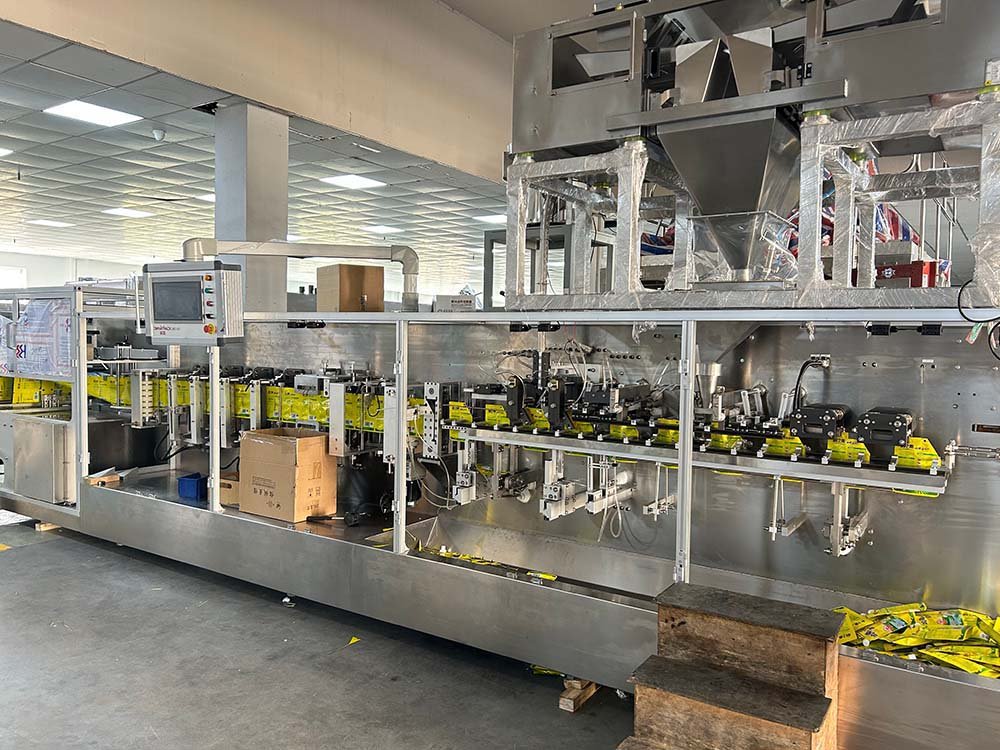
The search term does not identify one machine. First separate individual wrapping from multi-piece bag filling, then fix the pouch source and dosing requirement.
Twist wraps, folded wraps, pillow packs, blisters and wrapped bars require dedicated feeding and wrapping architectures. Do not select a pouch filler for this job.
Several candies are weighed or counted into a supplied pouch or a pouch formed from roll film, then sealed as one retail pack.
Small candy pieces, toppings or inclusions can use a sachet route after piece dimensions, dose, film layout and lane balance are confirmed.
These routes solve different procurement tasks. The actual candy, dosing unit, pouch or film and reject criteria must be reviewed as one system.
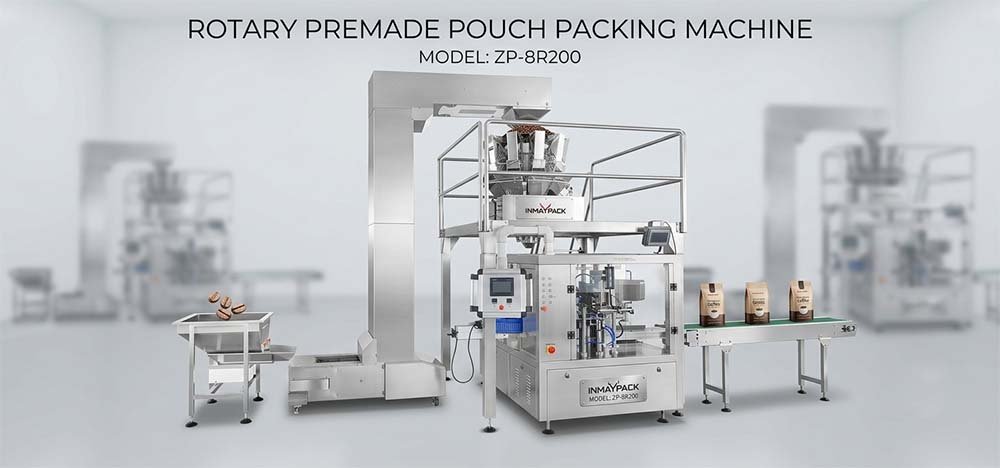
Use approved ready-made stand-up, zipper or flat pouches when retail presentation and supplied-pouch construction are central to the project.
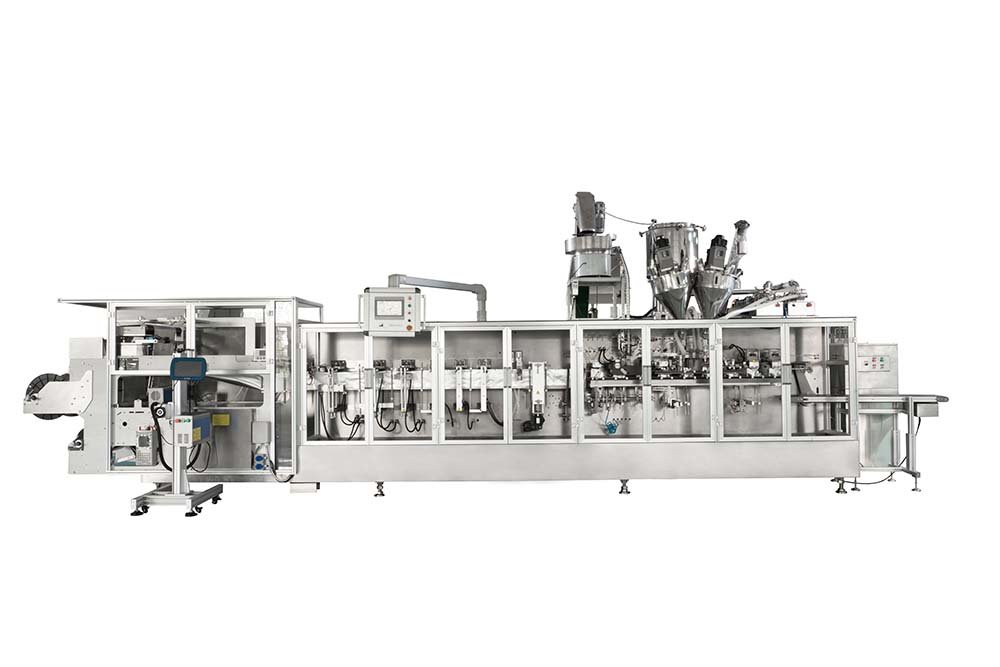
Form compatible pouches from roll stock when film tracking, pouch forming, opening, candy drop and sealing can be validated as one process.
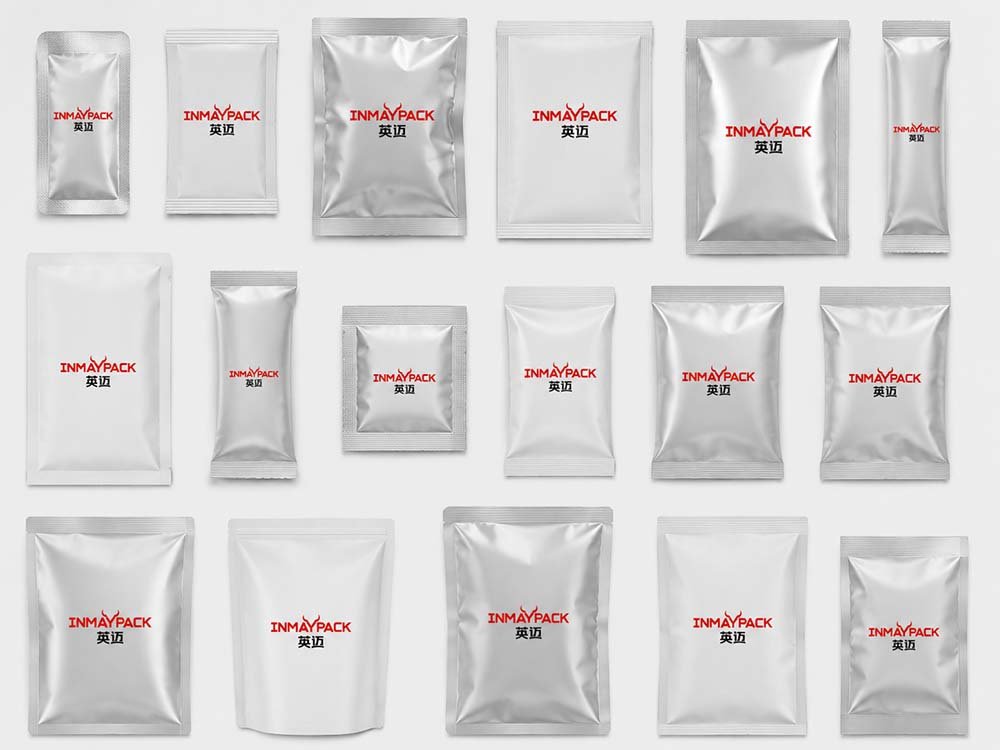
Use a sachet route only when the candy fits the lane, dosing and sealing window. Piece dimensions and bridging risk can be more important than nominal dose.
Check piece-size distribution, surface scratching, coating damage, noise, impact and rebound at transfer points.
Review stickiness at the real product temperature, clumping, bridging, release from contact surfaces and cleaning access.
Record loose sugar, buildup, dosing drift, seal-area contamination and the cleaning interval used during acceptance.
Define the accepted mix ratio, piece segregation, refill method and sampling plan instead of judging only total pack weight.
For candy sold by declared weight, compare the combination weighing system for pouch packing together with product feeding, discharge timing and the selected pouch machine.
| Dosing basis | Best fit | What must be tested | Common mistake |
|---|---|---|---|
| Net weight | Free-flowing candy sold by declared weight | Piece variation, target dose, giveaway, refill behavior and discharge timing | Assuming a catalog speed applies to every candy and dose |
| Piece count | Products sold by a defined number of pieces | Shape, overlap, double counting, missed pieces and accepted count tolerance | Treating a weighing system as a verified counting system |
| Defined mix | Assortments with an agreed composition | Separate feeding, segregation, ratio sampling and finished-pack acceptance | Approving total weight while the mix ratio drifts |
The final dosing architecture is confirmed only after the real candy, target pack, tolerance and sampling method are agreed.
Provide product photos and samples, piece dimensions, bulk density, coating, stickiness, temperature, fragility and dust or sugar release.
State pouch source, format, dimensions, film or laminate, zipper, target fill, headspace, coding and presentation requirements.
Define saleable packs per minute, test duration, weight or count tolerance, damaged-piece limit, rejects and seal test method.
Confirm product supply, elevator or conveyor, surge capacity, level control, refill responsibility and contamination controls.
Define weight or count checks, coding, metal detection or other project-required inspection, reject handling and evidence records.
State discharge orientation, accumulation, secondary bags, cartons, case packing and the supplier interface for each machine.
Identify the candy lot, conditioning, pouch or film, target dose, coding and complete machine configuration.
Set test duration, refill method, startup treatment, normal stops and the production conditions included in acceptance.
Record accepted output, weight or count, damaged candy, pouch opening, seal contamination and machine rejects.
Review candy residue, sugar or coating buildup, product changeover and the agreed cleaning and inspection points.
Test product feed, dosing, pouch machine, inspection and downstream equipment together under the defined line responsibility.
Keep the approved settings, sample results, reject records, videos and action list as part of the handover evidence.
The same candy may require a completely different architecture when sold as one wrapped piece, a counted assortment, a weighed zipper pouch or a small sachet. Fix the finished package and acceptance method first; compare equipment second.
It covers machines that fill multiple candy pieces into premade pouches, roll-film pouches or small sachets. It does not present individual twist wrappers, folded wrappers, blister machines or candy-bar flow wrappers as INMAYPACK products.
Use the commercial declaration and acceptance method. Products sold by weight need a verified weighing route; packs sold by exact piece count need a counting route validated for the real shapes and overlap risk. Mixed assortments also need an agreed ratio-sampling method.
Not automatically. Gummies and soft candy can behave differently with temperature, surface coating, clumping and release from contact parts. Test the actual conditioned product before confirming the feeder, dosing unit and output.
These are normally different machine architectures. A premade-pouch machine handles supplied bags, while an HFFS system forms pouches from roll stock. Compare pouch cost, presentation, output, changeover and validation requirements before choosing.
Send candy samples or clear photos, piece dimensions, target weight or count, pouch or film samples, pack dimensions, target saleable output and any inspection or downstream requirements.
For individual confectionery pieces, bars or controlled multipacks, compare the flow wrap machine selection guide with sachet and pouch routes.
INMAYPACK reviews the actual product, pouch route, dosing basis and complete line boundary before recommending a configuration.