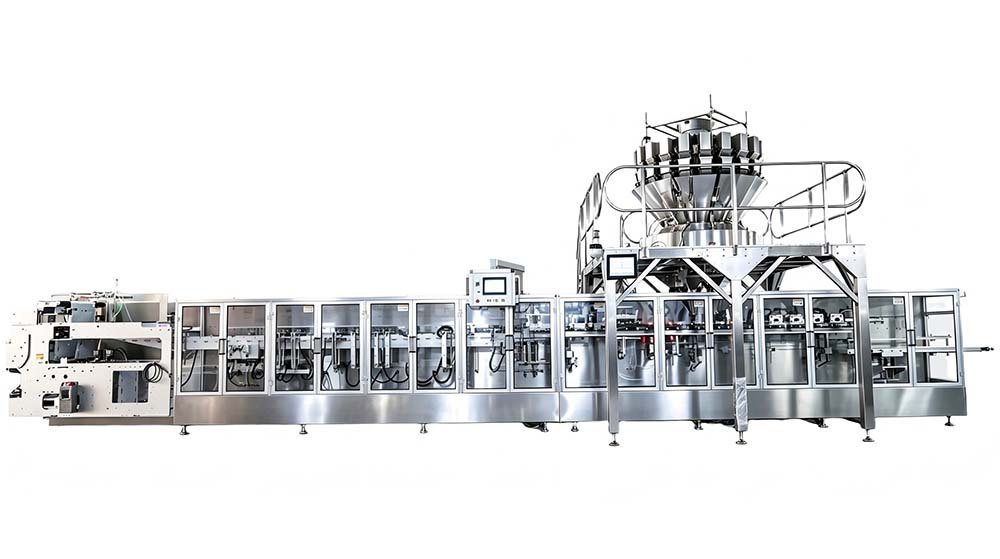
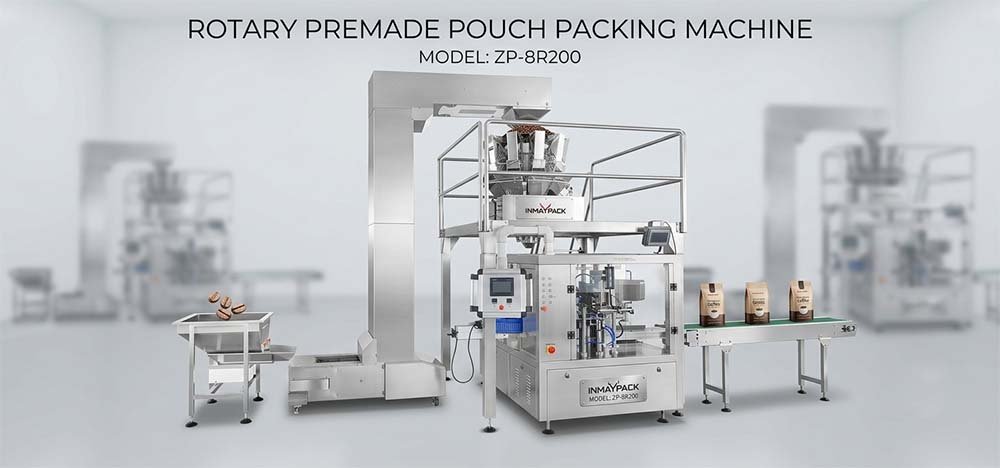
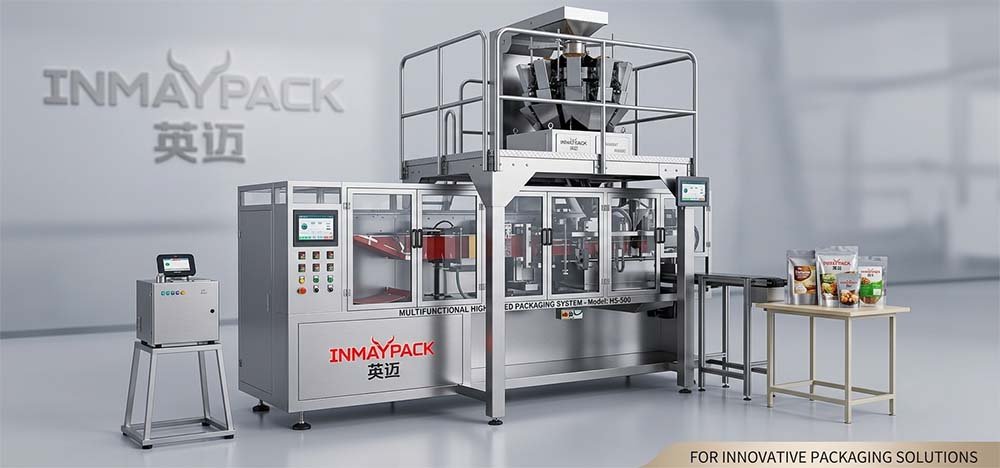
A pouch sample alone is not a controlled specification. Give every supplier the same drawing, material and acceptance boundary so the quotations describe comparable equipment.
Dimensions and retail features
Record pouch width, overall height, bottom gusset, top and side seal widths, zipper position, tear notch, hang hole, print repeat and allowed dimensional tolerances. The smallest opening and largest fill usually expose different risks, so both formats should be evaluated.
Usable volume and headspace
A nominal pouch volume does not establish a reliable gummy fill. Piece geometry, bulk arrangement, settling, zipper clearance and the required top-seal area determine usable capacity. Approve fill level and appearance with the actual gummy, not water volume or a drawing alone.
Film and seal window
For roll film, release laminate structure, thickness, roll width, core, maximum roll diameter, print registration and material-supplier sealing information. For premade pouches, provide production samples from the intended converter. Both routes still require seal validation after the real product has passed through the line.
Downstream presentation
Define whether the sealed pouch is collected manually, checked, metal-detected, conveyed, counted or placed into a carton. Discharge direction, pouch temperature, orientation, spacing and reject logic affect the packaging-line boundary even when the primary pouch itself is acceptable.
Format range and changeovers
List every planned pouch and annual volume, then identify the most frequent changeover and the minimum and maximum formats. Ask which adjustments are recipe-based, which need tools and which require change parts, cleaning or first-off quality approval.
Saleable-pack criteria
Define acceptable appearance, zipper function, code legibility, weight or count, residual coating around the seal, seal integrity and maximum rejects. These checks convert a general “good pouch” claim into a result that production and quality teams can witness.