Granules, pieces and snacks
Review piece size, bulk density, oil or dust, fragility and refill behavior before matching a weighing or volumetric dosing route.
Packaging systems configured around your application Defined project scope

Compare packaging routes for powders, liquids, sauces, granules, snacks, pet food and coffee by product behavior, finished pack, dosing method, cleaning scope and accepted output.
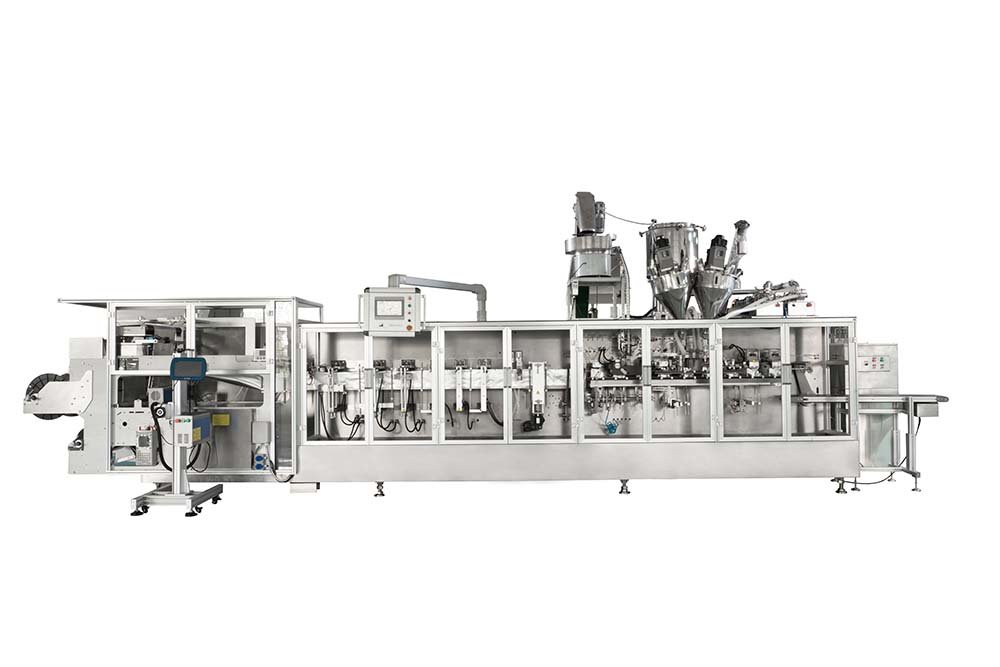
For this page, it is a project-matched flexible packaging system that feeds and doses a food product, forms a package or handles a supplied pouch, seals it and delivers an agreed accepted pack. One machine does not cover every food: flow, viscosity, particles, fragility, dose, package format and cleaning requirements change the architecture.
The food name starts the discussion. The machine decision comes from the product condition, dose, pack route and testable production requirement.
Review piece size, bulk density, oil or dust, fragility and refill behavior before matching a weighing or volumetric dosing route.
Flowability, compaction, aeration, cutoff and dust at the seal can change the filler, tooling and cleaning plan.
Viscosity across temperature, particles, shear, foaming, nozzle cutoff and seal-area contamination belong in the same review. For juices and drink concentrates in flexible packages, review beverage packaging machine systems by product condition, package route, cleaning scope and FAT evidence.
Separate kibble, treats, powders and selected wet products instead of selecting a universal pet food machine.
Beans, ground coffee, instant powder, stick packs and capsules require distinct dosing and package architectures.
Sticky, oil-coated, sugar-coated or fragile gummies need product-specific feeding, weighing, pouch filling and seal-control review.
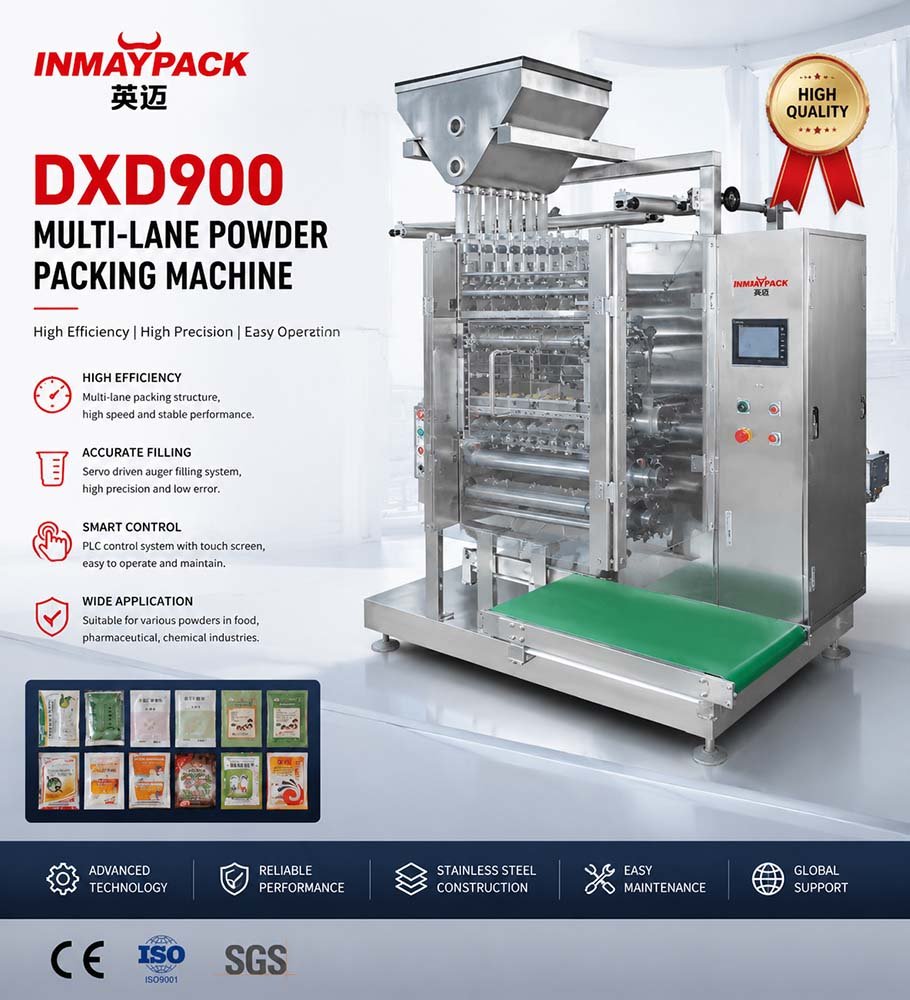
Single- or multi-lane machines form flat sachets or narrow stick packs. Confirm film layout, lane count, cross-lane dosing, cutting and downstream collection after the food and dose are fixed.
An HFFS line forms compatible pouches from roll film. Gusset forming, pouch opening, product settling, filling access and final-seal cleanliness must work within one timed process.
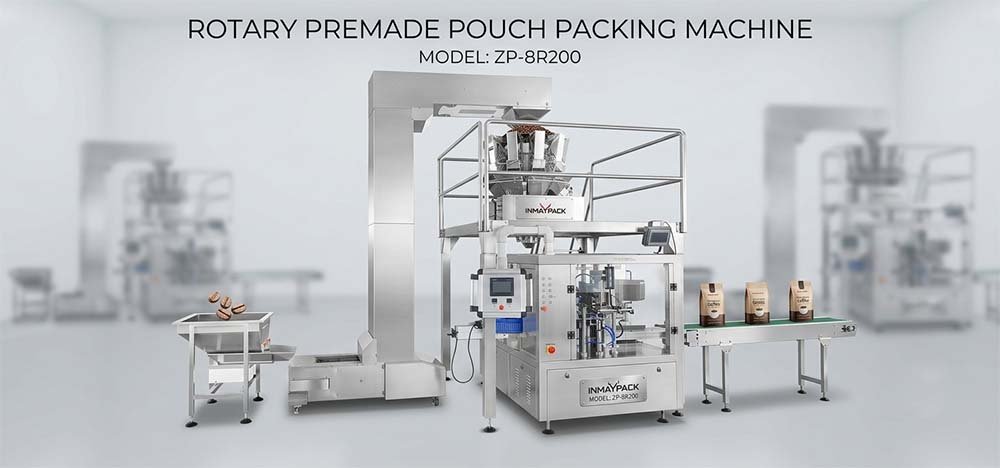
A premade-pouch machine handles supplied flat, stand-up or zipper pouches. Pouch pickup, opening, filling access, headspace and seal presentation require trials with the real pouch and food.
A starting point for many free-flowing pieces and granules. Trials must confirm feed stages, cutoff, product damage, settling and accepted weight checks.
Commonly evaluated for fine or non-free-flowing powders. Product presentation, tooling, agitation, refill, cutoff and dust remain configuration-specific.
Used for pumpable liquids, sauces and pastes after viscosity, particles, temperature, shear, suction, cutoff and cleaning are defined.
Use representative material when food behavior, inclusions, aeration, fragility or contamination risk makes a paper-only choice unreliable.
| Decision factor | Record before quotation | What it changes |
|---|---|---|
| Food behavior | Flow, viscosity, particles, piece size, fragility, oil, dust, foaming, aeration and temperature | Feeding, dosing, transfer, cutoff, settling and cleaning |
| Fill requirement | Nominal dose, SKU range and agreed checking or tolerance basis | Filler principle, tooling, number of discharges and inspection |
| Finished pack | Sachet, stick, doypack or premade pouch; drawing, size, laminate, zipper, spout and headspace | Machine architecture, forming or pouch handling, opening and sealing |
| Accepted output | Saleable packs, test duration, allowed rejects, product and downstream condition | Prevents mechanical cycles from being compared with accepted production |
| Cleaning scope | Product-contact boundary, access, changeover, allergen controls, utilities and verification | Surfaces, removable parts, product path, documentation and release procedure |
| Complete line | Infeed, filler, packer, coding, inspection, conveying, collection and secondary packaging | Interfaces, controls, responsibility and quotation boundary |
State storage, transfer, refill, level control, surge capacity and product-protection limits.
Match the filler, tooling and control method to the food, dose range and trial result.
Confirm roll-film forming or supplied-pouch pickup, opening, filling access and controlled drawings.
Control dust, crumbs, splash, foam, oil and settling so the final seal area arrives clean.
Define coding, weight or fill checks, seal testing, reject handling and project-required inspection.
State discharge orientation, accumulation, checkweighing, cartoning, case packing and control interfaces.
When the project extends beyond the primary packer, use the turnkey packaging line integration page to define utilities, controls and downstream boundaries.
For bars, bakery items, trays and other products presented at controlled pitch, review the flow wrap packaging guide before choosing the horizontal package route. Projects for cereal, protein, granola and energy bars should then use the snack bar packaging machine guide to define product condition, infeed, film, sealing and FAT evidence. For single cookies, biscuit stacks, tray-supported assortments and loose mini biscuits, use the cookie and biscuit packaging guide to compare flow wrapping, weighing-and-pouching and cartoning routes by product handling, film, sealing and accepted output.
A filler can repeat well while the complete pack still fails because product settling, crumbs, powder, splash or foam reaches the seal. Compare systems on one agreed food, dose, package, run condition, inspection method and accepted-output basis.
For foods that require controlled air removal, first compare vacuum food packaging routes; chamber, roll-film vacuum brick and premade-pouch systems are different architectures.
Start with the actual food condition and finished package. Then define the dose, dosing principle, cleaning scope, accepted output and complete line boundary. Select the machine model only after those inputs are fixed.
Not as one universal configuration. A base packaging platform may support project-approved change parts or filling systems, but product feeding, dosing, cleaning, filling access, sealing and acceptance can differ. Each application needs a documented configuration and test.
Choose from portion size, shelf presentation, reclosure or spout features, barrier, material supply, changeover and production plan. Sachets and roll-film doypacks are formed inside the machine; premade pouches arrive prefabricated and need reliable pickup and opening.
Output depends on food behavior, dose, filler, package size, lane or station architecture, forming or pouch handling, settling, sealing, inspection, allowed rejects and downstream condition. Compare accepted packs under the same test basis.
Define the food-contact boundary, changeover and allergen risks, manual or project-required cleaning method, access, removable parts, utilities, documentation and the verification required before production restarts.
Send representative product information or samples, dose range, package drawing and samples, target accepted output, cleaning requirements, required coding and inspection, upstream and downstream scope, utilities and destination documentation needs.
Share the product condition, dose range, package drawing, target accepted output, cleaning boundary and line interfaces. INMAYPACK will compare the relevant filling and flexible packaging routes before recommending a configuration.