Premade retail pouches
Use supplied stand-up, zipper or flat pouches when pouch appearance and supplied-pouch features are part of the project.
Packaging systems configured around your application Defined project scope

Compare pouch packaging routes for dry kibble, treats, freeze-dried products, powdered supplements and selected wet products by product behavior, pack format, dosing method and accepted output.
It is a project-matched combination of product feeding, dosing, pouch handling, sealing, inspection and downstream equipment. Dry kibble, fragile treats, powders and wet products do not use one universal machine. The application should be separated by product behavior and finished pack before a model is selected.
The same pet food can require different equipment when the pouch supply method, portion size, reclosure feature or shelf presentation changes.
Use supplied stand-up, zipper or flat pouches when pouch appearance and supplied-pouch features are part of the project.
Form, fill and seal compatible stand-up or flat pouches from roll stock when film, gusset and seal geometry are controlled together.
Evaluate single- or multi-lane sachets for small granule portions, toppers or powdered supplements with a matched dosing route.
Separate wet food, gravy and paste projects by viscosity, particles, temperature, filling principle, cleaning and seal-area control.
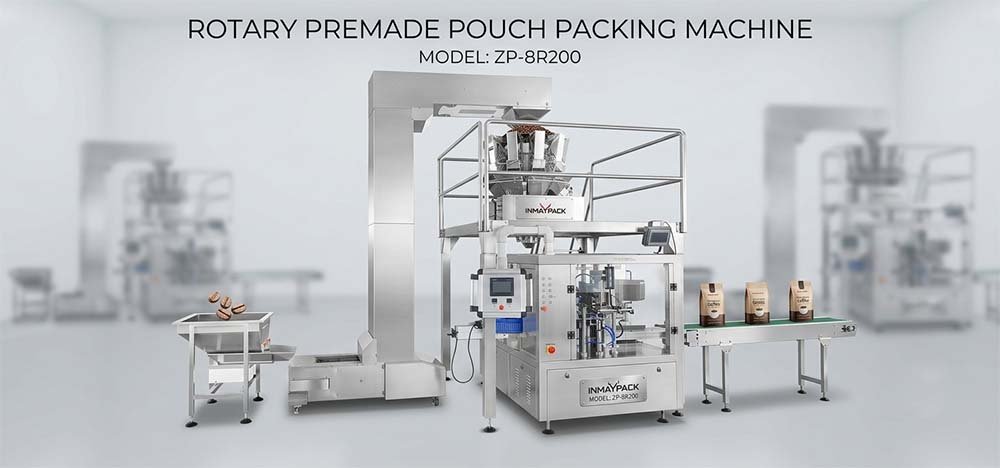
A rotary premade-pouch machine indexes supplied pouches through opening, filling and sealing. The weigher, product feed and pouch trial remain project-specific.
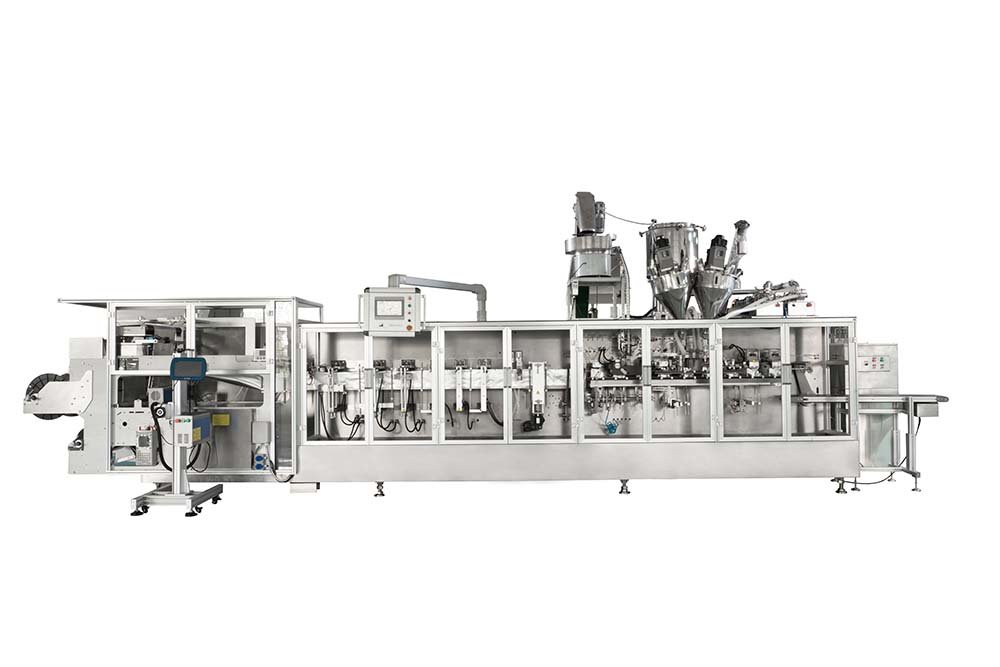
An HFFS line forms compatible pouches from roll film. Product settling, gusset forming, opening and top-seal cleanliness must be validated as one timed process.
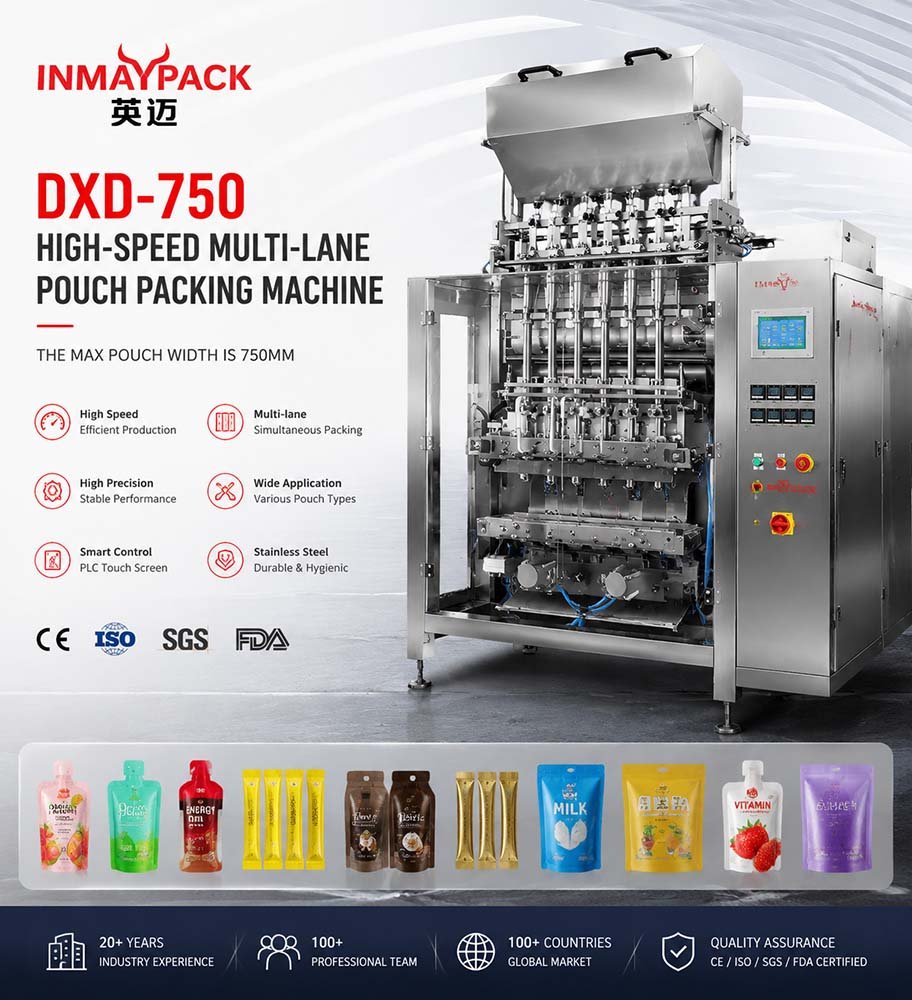
Lane count is selected only after confirming the product dose, flow, film layout, cross-lane dosing consistency and downstream collection method.
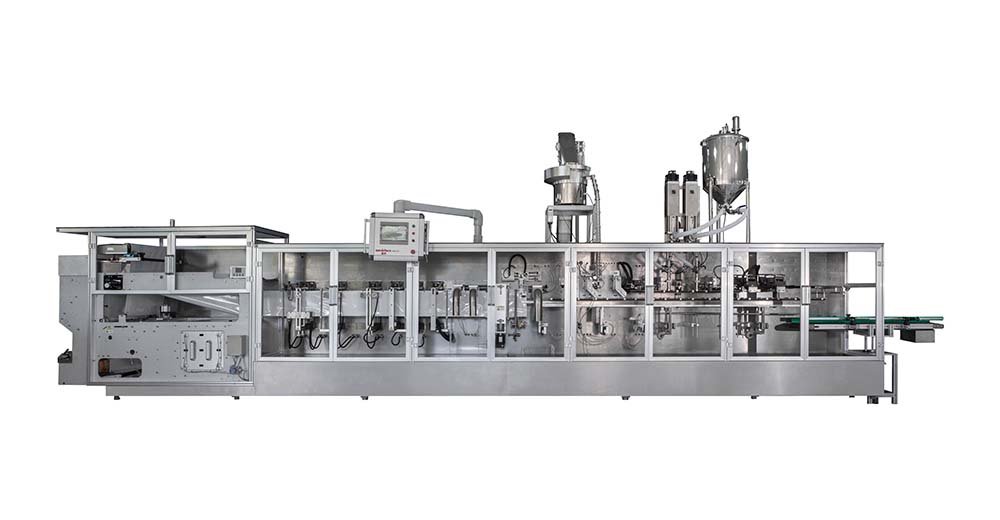
Wet pet food and gravy projects need a separate review of viscosity, particles, shear, temperature, nozzle cutoff, cleaning and contamination of the final seal area.
Record piece size, bulk density, oil coating, dust, breakage risk and refill behavior before selecting a weigher and product-feed system. Use the dog food packaging machine selection guide to carry those inputs through the package-route and FAT decisions.
Confirm drop height, surface damage, bridging, inclusion size and the largest acceptable broken-piece rate during trials.
Evaluate flow, aeration, dust, cutoff and cleaning. Use the powder filling machine selection guide for the dosing route.
Review viscosity across temperature, particle size, product supply, pump choice, nozzle cutoff, cleaning and seal-area contamination together.
| Decision factor | What to record | Why it changes the line |
|---|---|---|
| Product | Form, piece size, bulk density, oil, dust, fragility, particles and temperature | Changes feeding, dosing, drop height, pump or weigher choice and cleaning |
| Nominal dose | Minimum, maximum, target and accepted tolerance method | Changes dosing range, number of discharges, settling time and inspection |
| Finished pack | Pouch supply, drawing, size, zipper, laminate, seal area and headspace | Changes the machine architecture, forming path, opening and sealing tools |
| Accepted output | Saleable packs per minute, test duration, allowed rejects and downstream state | Prevents a mechanical-cycle number from being mistaken for accepted production |
| Hygiene and cleaning | Product-contact scope, allergen/changeover plan, cleaning method and utilities | Changes access, surfaces, product path, documentation and validation boundary |
| Line boundary | Infeed, elevator, weigher/filler, coding, inspection, conveying and case handling | Ensures supplier quotations cover the same complete production requirement |
Define hopper refill, elevator or conveyor, level control, surge capacity and product-protection limits.
Choose weighing, auger or pump architecture from real product and dose trials—not the product name alone.
Confirm supplied-pouch pickup or roll-film forming, opening behavior, filling access and controlled drawings.
Control crumbs, oil, dust, splash, settling and headspace so the final seal area arrives clean.
Define coding, weight checks, seal tests, metal detection or other project-required inspection points.
State finished-pack orientation, accumulation, checkweighing, case packing and responsibility boundaries.
For a broader equipment boundary, review turnkey packaging line integration before comparing quotations.
A dosing system can repeat well on a bench and still produce unacceptable finished pouches when product breakage, long settling time, dust, oil or inclusions interfere with transfer and sealing. FAT should therefore measure the complete filled and sealed pack under one agreed production basis.
Use the stand-up pouch machine FAT checklist to define evidence before shipment.
INMAYPACK configures packaging equipment around the approved application. The pet food producer remains responsible for the destination market, facility, product and process requirements. State the required contact materials, cleanability, documentation, traceability interfaces and validation method before the machine scope is released.
These sources define regulatory context; they do not certify a packaging machine or replace advice from the responsible market authority.
Start with piece size, bulk density, oil coating, fragility, dose and finished pack. A multihead weigher can be evaluated with a premade-pouch or roll-film pouch machine, but the final route must be confirmed with actual product and pouch trials.
Not automatically. The base pouch platform may support more than one application, but feeding, dosing, dust control, cleaning, change parts and acceptance conditions can differ. Each product family needs a documented configuration and trial plan.
Premade pouches suit projects where supplied pouch features and presentation are central. Roll-film HFFS can form compatible pouches inside the machine. Compare pouch cost, film control, changeover, tooling, accepted output and shelf requirement rather than choosing from material cost alone.
Wet products require a separate filling and hygiene review. Viscosity, particles, temperature, product supply, pump, nozzle cutoff, cleaning and seal-area contamination can change the machine architecture and acceptance method.
Use the approved product, dose, pouch and line configuration. Record test duration, accepted output, weighing or fill checks, product damage, pouch appearance, seal testing, allowed rejects, restart criteria and downstream conditions.
Send product photos and samples, piece or particle size, bulk density or viscosity, dose range, pouch drawing and samples, target accepted output, cleaning requirement, line boundary and destination-market documentation needs.
Share the pet food form, dose range, pouch drawing, target accepted output and cleaning boundary. INMAYPACK will compare the relevant pouch and dosing routes before recommending a machine configuration.
Human-food application? Compare snack packaging machine systems.