
INMAYPACK · Protein powder flexible packaging
Protein Powder Filling Machine
Pack your blend. Protect the seal. Plan the next SKU.
Build a protein powder filling and packing configuration around your formula, portion weight and finished package. Compare retail pouches, roll-film sachets and stick packs with the auger dosing, product transfer and changeover scope your production needs.
- Retail protein pouches
- Single-serving packs
- Product & dose review
- Complete quote scope
Send your powder sample, fill weights, pack drawing and accepted-output target. Include your priority formulas and cleaning requirements.
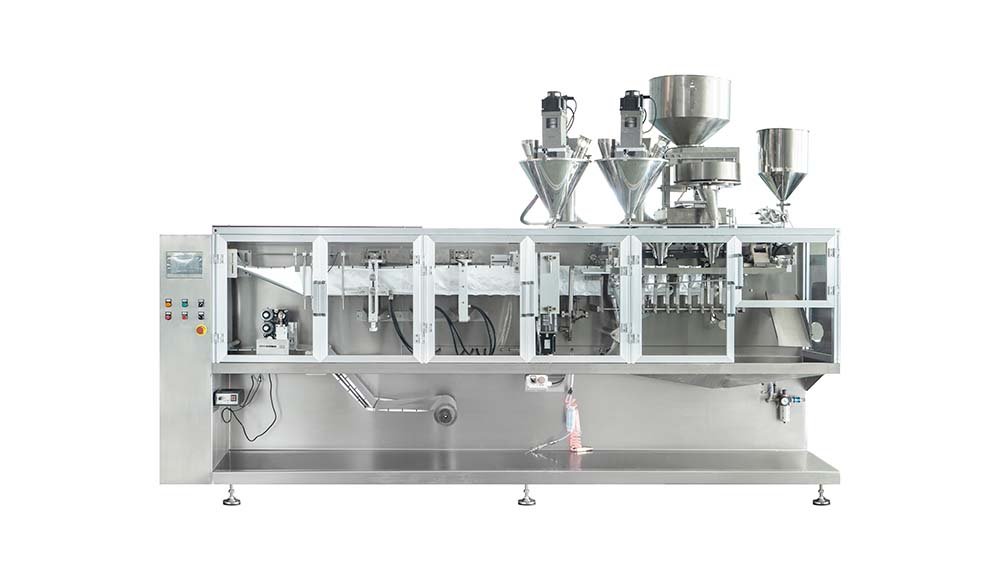
What is a protein powder filling machine?
A dosing system and a packer. Selected for your formula.
A protein powder filling machine meters a defined amount of protein blend into a package. A complete flexible-packaging system also forms a sachet or stick from film, or opens a supplied pouch, then coordinates filling, sealing and discharge.
An auger filler is a candidate for many fine powder applications. The screw, tube, hopper, replenishment and cutoff must be reviewed with the actual blend and dose. Whey, plant-protein and flavored formulas should be submitted as separate product samples when their behavior differs.
This page focuses on flexible packages. Tub, jar, bottle and bulk-bag projects require a separate equipment assessment. Compare broader dosing principles on the powder filling machine systems page.
Choose the finished package
Three ways to package protein powder. One defined production brief.
Choose around how the product is sold and used. The supplied coffee and powder machinery references establish equipment routes; your protein blend and package determine the selected configuration.
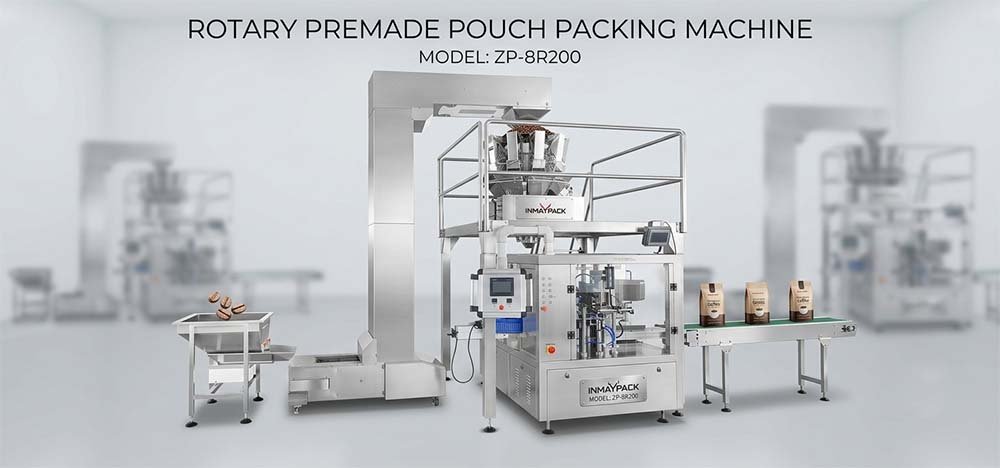
01 · Retail pouch
Premade Protein Powder Pouches
Handle supplied stand-up, zipper or flat pouches and coordinate auger dosing with pouch opening, filling, settling and sealing. Review powder at the pouch mouth and the space below the final seal.
- Empty pouch sample and closure drawing
- Product transfer and hopper replenishment
- Selected auger tooling and fill height
Compare Powder Pouch Filling Machines →
Explore Rotary Pouch Systems →02 · Roll-film portion
Protein Powder Sachets
Form portion packs from film and quote the powder feeder, auger and sealing functions together. Review the serving weight against the pouch volume, film construction and finished-pack dimensions.
- Bag dimensions and sealing layout
- Film structure, tear feature and coding
- Dose, product fall and sealing cycle
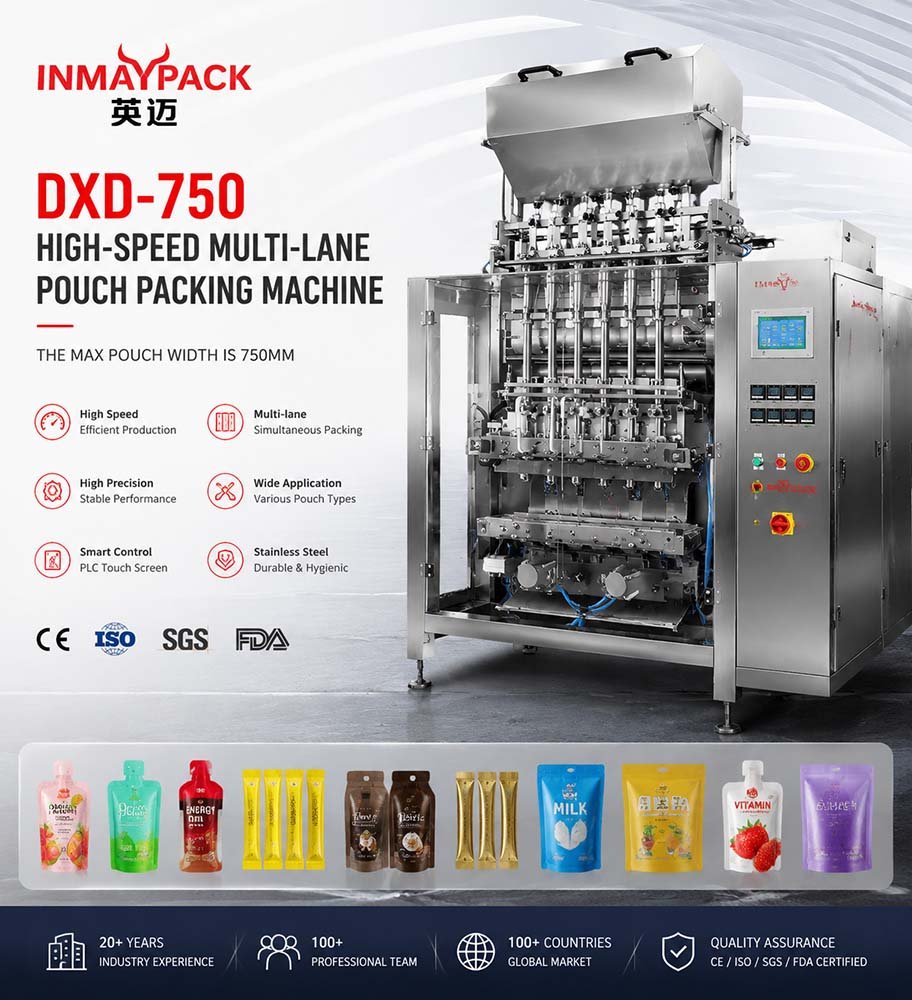
03 · Approved narrow format
Protein Powder Stick Packs
Assess a stick-pack route when your serving fits an approved narrow package. For multiple lanes, match dose paths, film layout and cross-lane checks to the powder and pack.
- Serving volume and headspace
- Lane count and film-web layout
- Each lane’s dose and seal checks
Send the serving and the pack together.
A gram weight alone cannot establish pouch volume, stick fit or production output.
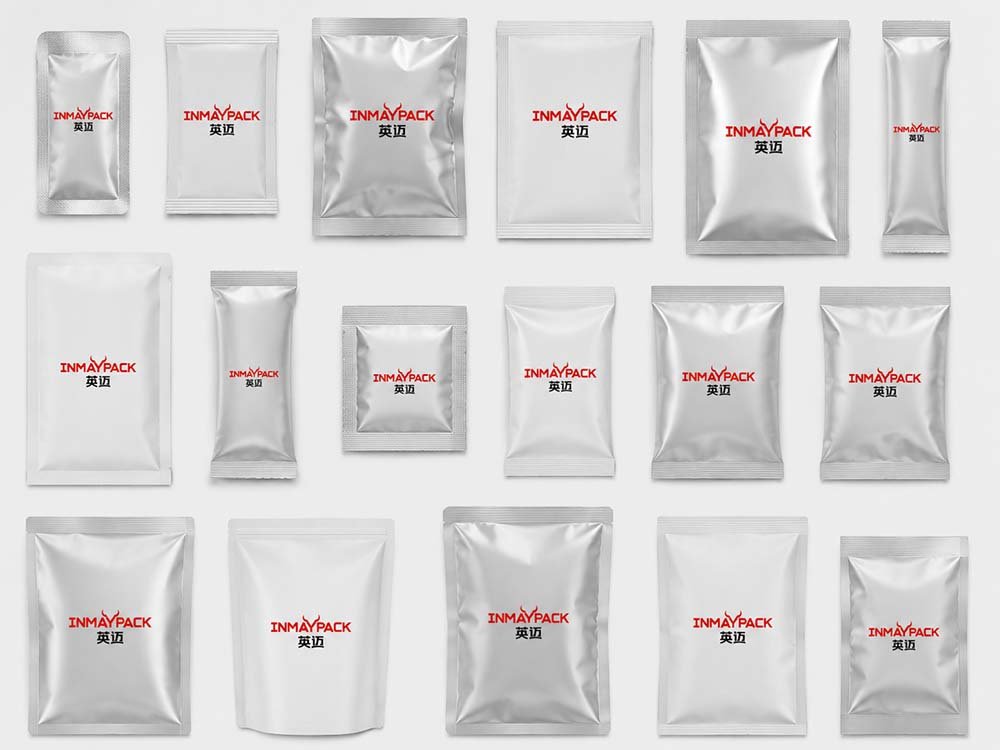
Retail and single-serving formats
Define the pouch before fixing the filler.
For retail packs, send the zipper, gusset, opening and final heat-seal dimensions. For single servings, send the sachet or stick drawing, film and tear feature. The usable internal space must accommodate the powder and the required headspace.
- Nominal weight and volume at the supplied powder condition
- Film or pouch structure and finished-pack dimensions
- Powder settlement and the position of the seal band
- Coding, inspection and downstream collection requirements
Use roll-film doypack equipment when a stand-up pouch must be formed in line; supplied premade pouches use a separate handling route.
Formula-specific filling
The recipe changes. The filling conditions may change too.
Use representative samples from production. Include expected ingredient, flavor and supplier changes instead of testing only one ideal powder.
Powder presentation
Flow and replenishment
Share bridging, clumping, aeration and settling behavior. Review how the feeder and hopper present the powder to the auger before and after refill.
Dosing stability
Density and formula changes
Submit each important blend and flavor. Changes in powder condition or bulk density can require different settings or tooling and new weight checks.
Package quality
Dust, cutoff and seal cleanliness
Review product fall, dribble and dust around the opening and seal band. Quote any required collection or extraction interface with the machine.
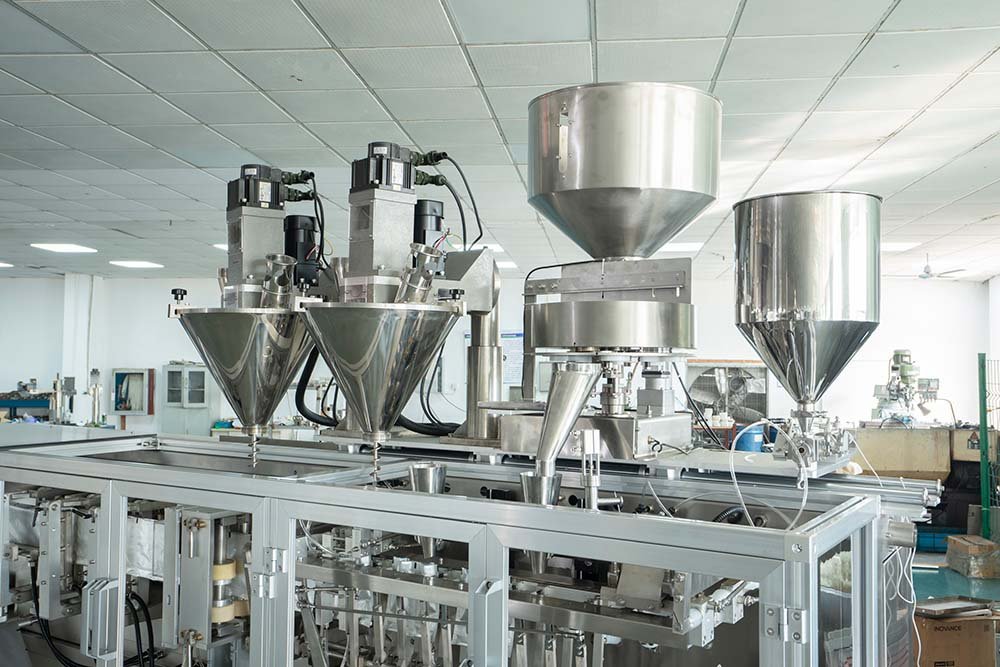
Match the dosing path
Review screw, tube and hopper together
Coordinate product transfer, hopper level, agitation where selected, auger tooling and pack presentation. Define the dose-check method and include refill conditions in the trial.
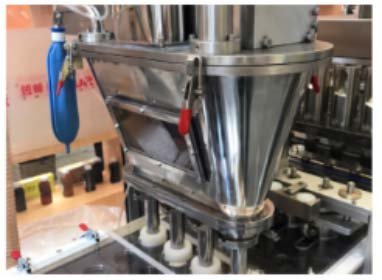
Review access
Agree product-contact access before ordering
Identify the hopper, screw, tube and transition parts your operators must remove, inspect and clean. Confirm the supplied access and reassembly method for each selected machine.
For the metering principle and integration boundary, see auger filling machine systems. Powder sample testing establishes the application window; a product name does not establish one universal accuracy value.
Documented machine references
Use source specifications with the right boundary.
These references come from supplied model documents. They describe package platforms and quoted powder configurations; they are not protein-production performance guarantees.
| Reference item | HS-180 | HIJ8-200 | DXD-750 |
|---|---|---|---|
| Package architecture | Roll-film horizontal pouch / sachet platform | Rotary platform for supplied premade pouches | Roll-film multi-lane stick-bag platform |
| Documented format reference | 60 × 80 to 180 × 220 mm pouch dimensions; maximum 400 ml volume | Pouch width 80–200 mm; length 100–400 mm | 6–10 lanes; minimum listed stick width 15 mm, length 80 mm |
| Source speed reference | 40–70 bags/min | 20–60 pouches/min | 280–480 bags/min |
| Powder equipment boundary | Supplied HS-180 quote includes an auger and screw elevator for baking soda | Supplied HIJ8-200 coffee quote includes a customized auger filler and conveyor | DXD reference table identifies DXD-750 as the stick-bag model; approve the powder dosing configuration |
| Protein project confirmation | Serving volume, film, dust, dose and accepted output | Empty pouch, closure, powder behavior, dose and accepted output | Serving volume, approved stick dimensions, lane tooling and lane-specific checks |
On a phone, swipe inside the table. Gram weights require the actual powder density and usable pack volume: 400 ml is not a 400 g protein-powder rating. Stick minimum dimensions do not establish suitability for every serving. Source speeds use different formats and conditions; compare accepted packs from your agreed trial.
The rotary equipment photo is a ZP-8R200 family reference. HIJ8-200 numbers above come from its own supplied document; the two model names are not merged into one specification.
Cleaning and recipe changeover
Make the next formula part of the equipment discussion.
For a protein business with multiple blends, the proposal should cover product-contact access, cleaning responsibilities and restart checks as well as running output.
01 · Formula scope
List the products to be changed
Identify the blends, flavors, ingredients and allergen-separation requirements your production team expects. Define the changeover sequence and material boundary.
02 · Physical access
Review removal and inspection
Agree the product-contact parts, access points, tools and cleaning method for the supplied configuration. Include auger, tube, hopper and transitions where applicable.
03 · Restart conditions
Approve the first finished packs
Record reassembly, settings, material identification and first-off weight/seal checks. Define the evidence your team needs before releasing the next SKU.
Cleaning, allergen control and product release follow the agreed process and your site requirements. Machine access or a stainless-steel construction alone does not establish a validated cleaning result.
Sample trial and acceptance
Evaluate the powder inside the finished pack.
Agree the run conditions and checks before the trial. An isolated auger demonstration does not show the output of an integrated packaging system.
Prepare representative samples
Provide the launch blends, doses, film or pouches and required finished-pack appearance. Identify substitute materials before the test.
Check filling over the run
Record dose results in sequence, including startup and replenishment. Agree sample timing, acceptance limits and the measurement method.
Review the whole finished pack
Check pack presentation, headspace, seal cleanliness and agreed integrity tests. Separate accepted packs from rejects and record stop causes.
Review changeover and handover
Observe the agreed access, change parts and recipe reset. Keep the machine configuration and test records matched to the supplied equipment.
Protein powder filling machine price
Compare a complete quotation. Know what the line includes.
Current price depends on the powder, package, output, tooling and selected equipment scope. Compare proposals using the same production brief and acceptance basis.
Core system
Pack machine and powder dosing
Specify the package architecture, selected model, filler, tooling, recipes and approved format range. Identify any change parts for additional SKUs.
Production interfaces
Feed, dust, coding and inspection
Define product supply, refill control, required dust-management interfaces, printer, selected checking/reject functions and finished-pack collection.
Startup scope
Trial, installation and training
Agree sample materials, test records, shipping terms, site utilities, installation responsibility, operator training and initial spares.
Request the equipment and options as separate quote items.
Include your priority SKUs, destination, available utilities and required startup help.
Historic prices in supplied documents are not current offers. For connected transfer, inspection and downstream equipment, review powder packaging line planning.
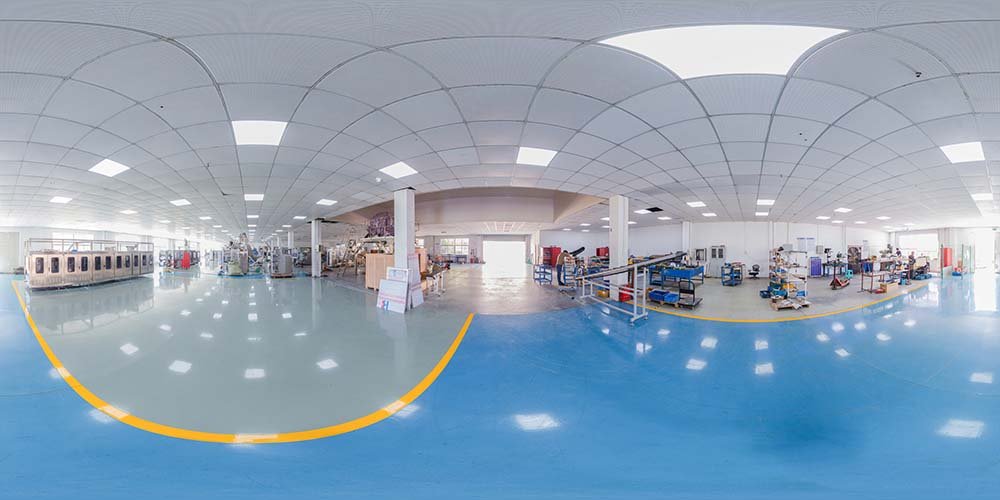
Work with INMAYPACK
Bring formula, packaging and production together.
Share the launch products and the next formats you expect to run. A useful machine proposal connects powder handling, dosing, package presentation, sealing and the site interfaces.
Discuss trial materials, installation, training and spare-parts planning alongside equipment selection so your team can prepare for the supplied configuration.
Buyer questions
Protein powder filling machine FAQ.
Which filling machine should I choose for protein powder?
Choose the finished package first, then assess the actual blend and dose. Premade retail pouches, roll-film sachets and stick packs use different package handling. Review auger tooling, replenishment, dust, cleaning and accepted finished-pack output for the selected route.
For supplied retail bags, compare the powder pouch filling machine route using an actual empty pouch, your blend and the target fill. Include zipper clearance, headspace and powder at the final seal in the review.
Can the machine fill whey and plant-protein blends?
Submit representative samples for each important formula. Product flow, density, aeration, dust and ingredient differences affect the dosing and cleaning assessment. Suitability and the required settings or tooling are confirmed for the approved product range.
Can I pack a full protein serving in a stick?
Only if the serving volume, headspace, film and finished dimensions fit an approved stick configuration. A minimum stick width or a nominal gram weight alone does not establish suitability. Compare a wider sachet or retail pouch when the portion requires more internal volume.
Can one line handle retail pouches and single-serving sachets?
Those formats generally use different forming or pouch-handling architectures. Define each pack and its production demand so the shared filler, separate machines, format parts and line interfaces can be assessed. Do not assume one supplied packer covers every route.
What filling accuracy can I expect?
Agree the target dose, permitted variation, sampling method, product condition, tooling and run basis. Include startup and hopper refill in the test. There is no single protein-powder accuracy value established for every blend, dose and package.
How should dust and seal contamination be reviewed?
Evaluate powder transfer, cutoff, product fall, pack opening and the seal band together. Define any required collection or extraction interfaces in the proposal and check the actual finished packs under the agreed run conditions.
Is the equipment ready for allergen or flavor changeovers?
Review product-contact access, removable parts, cleaning method, separation requirements and restart checks for the supplied machine. Agree responsibilities and evidence with your production team. The equipment reference alone is not proof of a validated allergen-cleaning process.
How much does a protein powder filling machine cost?
Request a current quotation based on the blend, package, dose, accepted output, tooling and line scope. Ask for core equipment, options, trial, delivery and startup work to be identified separately, using the same acceptance basis for supplier comparison.
Continue your equipment selection
Related equipment for the protein project.
Define your production brief
Send the formula and pack.
Get a clearer machine proposal.
Include representative samples, all fill weights, pouch or film drawings, accepted packs per shift, changeover requirements, destination and utilities.