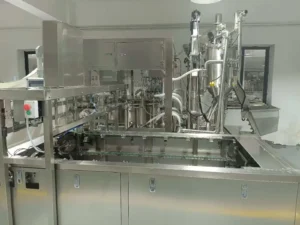
Spout pouch cap torque testing should separate the capper setting, measured tightening torque, opening torque and leak-test result. They answer different questions. Approve a matched cap-and-spout combination with a written test method, controlled sample history and separate opening and containment criteria—not a universal torque number.
A pouch can look correctly capped without providing the evidence needed to accept a filling and capping line. This guide helps buyers turn a closure requirement into a reviewable trial: identify the measurement, hold the flexible package correctly, separate test groups and investigate the location of a leak before changing machine settings.
The trial plan and decision matrix below are proposed buyer tools, not results from an INMAYPACK installation. They do not establish a torque specification, leak rate, shelf life or compliance claim. Use supplier-approved procedures and the responsible quality team's acceptance criteria. Sampling must not require reaching into operating machinery or bypassing guards.
Separate machine settings from closure measurements
When a quotation says “torque control,” ask what is controlled and what is recorded. A recipe entry or mechanical adjustment describes an input to the capping process. It is not automatically a measured result for each finished pouch. Establish whether the proposed system has any measurement or traceability function, and include only confirmed functions in the agreed scope.
Read each row as a separate acceptance question. On small screens, scroll the table horizontally; keyboard users can focus it and use the arrow keys.
| Item | What it describes | What to request |
|---|---|---|
| Capper setting | The approved recipe or adjustment used to run the equipment. | Setting identity, units where applicable, revision and the procedure used to establish it. |
| Application torque | Torque measured during a defined tightening operation. | Measurement point, instrument or sensor, method and whether the result comes from the production capper or a separate bench test. |
| Removal or opening torque | Torque observed while opening a previously closed sample under the stated method. | Time since capping, conditioning, opening procedure and the specific event reported. |
| Leak-test result | Containment assessed using the agreed test and exposure conditions. | Method, acceptance criterion, specimen history, observed leak location and exceptions. |
For tamper-evident closures, define which event matters. Initial movement, bridge-breaking behavior and a reported peak must not be silently treated as the same observation. Mecmesin's torque-tester documentation distinguishes application and removal testing and identifies initial bridge torque and peak torque as separate detectable events on suitable equipment. This is measurement guidance, not a claim that an INMAYPACK capper includes that tester or those functions.
Do not convert a removal result into an application specification by assumption. Ask the component supplier and test owner to establish the relationship for the actual cap, spout, product and conditioning method. “Tighter” is not an acceptance criterion; opening behavior and containment both need an agreed basis.
Lock the component set and support the spout correctly
Identify the cap and spout by supplier, drawing revision and lot. Record any liner, sealing feature and tamper-evident feature relevant to the supplied closure. Do not combine one cap supplier's recommended setting with a different neck finish simply because the nominal size looks similar. Changes in the approved component set should trigger a review of the test basis.
A flexible pouch is not a rigid bottle. IMADA's spout-pouch opening-torque example uses a dedicated fixture to hold the spout neck and avoid deforming the pouch during measurement. IMADA also notes that suitability depends on sample material, shape and test configuration. Confirm fixture compatibility with the actual neck and cap rather than copying a fixture arrangement from a photograph.
- Holding method: document how the neck is supported, how the cap is gripped and how unintended movement or deformation is prevented. Include a setup photograph in the test record.
- Instrument: record tester identity, capacity, resolution, calibration status and the verification checks required by the approved procedure. Display precision alone does not establish measurement suitability.
- Procedure: state direction, opening motion or rate, peak-detection rule and operator instructions. Record deviations rather than quietly changing technique between suppliers' samples.
- Units: use one declared torque unit throughout the comparison. Preserve the original unit when transcribing supplier data and identify any conversion explicitly.
If cap slippage, fixture movement or an unstable reading occurs, mark the observation as a method exception and investigate it. Do not present it as a valid closure result or replace it silently with a more convenient reading.
Keep opening, leakage and conditioned samples distinct
Opening a cap changes the sample. An opened and retightened pouch is not an untouched, as-produced closure. Before collection, allocate identifiable sample groups to each question and document the sequence if one specimen must undergo more than one test. The test owner should decide which preceding exposures are compatible with the intended conclusion.
Group A: opening behavior
Record capping time and test time, the intervening storage conditions and the agreed opening method. Keep immediate checks separate from delayed or conditioned checks. Report the actual delay rather than labeling every sample “after production.” If tamper features are present, preserve observations about their condition and the event associated with each reported reading.
Group B: containment in the original closed state
Use identified, unaltered specimens for the agreed as-produced leak assessment. Record product or substitute liquid, fill condition, orientation, test exposure and acceptance rule. A substitute can help investigate a mechanism, but its result should not be relabeled as validation with the production product.
Group C: handling or storage challenges
Where the purchase requires evidence after transport, temperature exposure or storage, define a separate conditioning plan with the responsible quality team. Record the sequence and retest basis. Passing an immediate closure check does not establish performance after every distribution condition, microbiological protection or the finished product's shelf life.
Do not prescribe a universal number of samples or a universal waiting period. The agreed plan should reflect the decision being made, the expected variation, component lots and operating conditions. Report what was actually tested and any gaps in coverage.
Sample operating events, not only a convenient steady run
A useful commissioning record connects each sample to the condition that produced it. In addition to steady operation at the agreed rate, consider startup, restart after a stop, cap-supply replenishment and an approved component or format change. These are proposed review points; include only events relevant to the selected equipment and the purchase scope.
If individual capping heads can be identified reliably, retain head identity in the sample record and compare results by head as well as by event. If that association is unavailable, state the limitation. Do not imply head-level traceability or automatic torque logging simply because a machine has several stations.
Record the original settings before any intervention. After an authorized adjustment, assign a new run or recipe identifier and retain the earlier results. A report containing only the final successful samples cannot explain what changed or establish that restart behavior was also accepted.
Define disposition as well as measurement: who can stop the trial, how suspect output is identified, which retained samples require review and who authorizes the next run. This is a proposed acceptance workflow, not a statement that every offered machine automatically detects or rejects the listed defects.
Locate the failure before changing the capping setting
Record where a leak originates before assigning responsibility. Leakage around the closure, at the fitment-to-film joint and along a pouch seam are different observations. If the location is uncertain, preserve the specimen and record it as unresolved. Do not use a higher capper setting as a substitute for diagnosis.
The matrix below proposes review actions; it does not diagnose a failed sample without inspection.
| Observed combination | What remains unproven | Next review action |
|---|---|---|
| Opening result within criterion; leakage observed | Containment is not established by the torque result. | Locate the leak; retain component identity and test history before investigating the relevant interface. |
| No leakage in the stated test; opening result outside criterion | The agreed opening requirement has not been met. | Review measurement validity, component compatibility and the approved capping setup; do not waive opening acceptance. |
| Results change after a stop or cap replenishment | Steady-run acceptance does not cover that event. | Compare event records and retained samples; repeat the agreed challenge after any authorized correction. |
| Results differ between operators or fixtures | The apparent difference may include measurement effects. | Resolve the test setup and procedure before ranking capper performance. |
| Immediate checks pass; conditioned checks fail | The qualified operating and handling envelope is incomplete. | Review exposure history and the failed interface; restrict the conclusion to conditions supported by evidence. |
For a leak associated with the pouch structure, use the separate stand-up pouch seal integrity guide to frame the seam and seal-process review. For responsibility between making the spouted pouch and filling it, see spout insertion versus filling and capping. A good cap closure does not independently validate the fitment weld or pouch seams.
Build an acceptance record another reviewer can use
Request individual observations alongside any summary. A single average can conceal a head-specific issue, an operating-event exception or mixed test conditions. Keep failures, invalid measurements and repeats visible, with reasons and disposition. Do not combine unlike test groups into one reassuring number.
- Sample identity
- Pouch, spout and cap identifiers; drawing revisions and lots; product and fill condition; sample number and collection sequence.
- Production context
- Machine configuration, recipe revision, operating rate, event, capping time and head identity where traceable.
- Measurement context
- Tester and fixture IDs, calibration status, method revision, operator, units, conditioning and elapsed time.
- Separate results
- Opening observations, event or peak definition, leak-test conditions and result, leak location, photographs and method exceptions.
- Acceptance and action
- Approved criteria and owners; pass/fail decisions by test group; retained samples; corrective action, retest scope and sign-off.
Agree who supplies the matched components, defines closure criteria, provides the measurement equipment and approves the report. Confirm whether testing is part of the quoted factory trial, a customer-side quality activity or a separately scoped service. A request for torque records does not mean a tester, inline sensor or automatic reject function is included in the machine price.
Buyer questions about spout pouch cap testing
What torque should a spout pouch cap use?
There is no value established by this guide. Obtain criteria for the actual matched cap and spout, then agree application, opening and containment methods with the component supplier and responsible technical team. Do not copy a number from another neck finish or package.
Can opening torque prove that the pouch will not leak?
No. It describes an opening measurement under a stated method. Containment requires its own agreed assessment, including sample condition and leak location. Neither result alone establishes shelf life or performance under every transport condition.
Can an opened sample be tightened again for the original leak test?
It may be used for a separately identified resealing investigation if the approved plan allows it. It must not be reported as an untouched as-produced sample. Preserve that distinction in the sample ID and conclusion.
Does a filling and capping machine include automatic torque inspection?
Only when the confirmed proposal specifies that function and its verification. Ask separately about capping control, measurement, record retention and rejection. Station count or a torque setting alone does not establish inspection capability.
Evidence boundary: The IMADA and Mecmesin references support the measurement distinctions and fixture considerations identified above. Their products and performance specifications are not INMAYPACK specifications. The sampling plan, record fields and decision matrix are proposed buyer-review tools, not a published trial or a substitute for a qualified test procedure.
Start with the pouch, cap and acceptance question
For an INMAYPACK equipment review, send the product, target fill, pouch drawing or sample, matched cap and spout details, and required finished-pouch output. Add the question you need the trial to answer: opening behavior, leakage at a known interface, restart consistency or a component change.
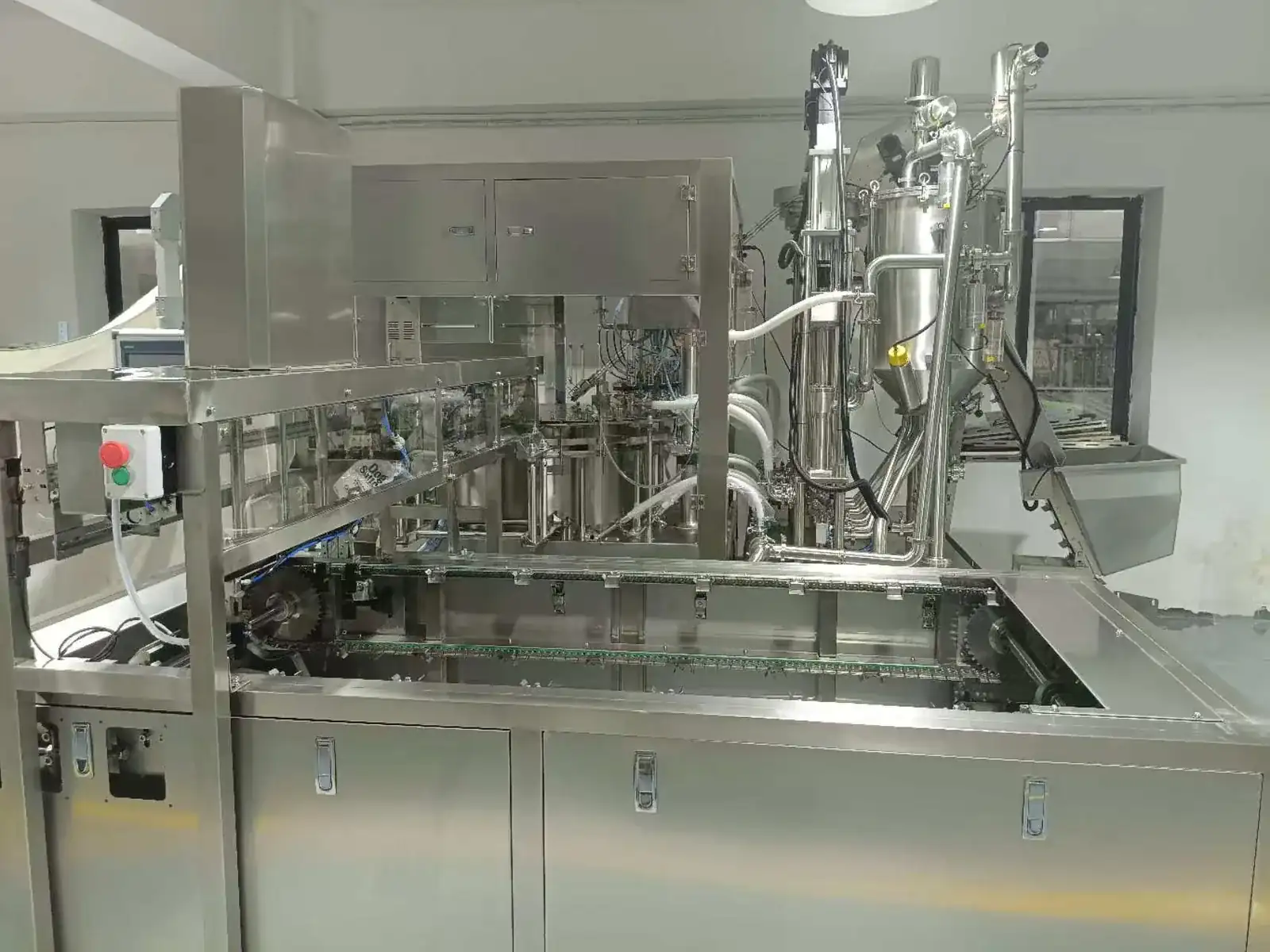
Review the available spout pouch filling and capping machine configurations before defining the trial scope. Existing closure specifications and test records can follow for technical review; testing capability, equipment supply and acceptance responsibilities must be confirmed in the proposal.