Packaging systems configured around your application Defined project scope

Share your requirements • sales@ewpackmachinery.com

Mayonnaise pouch packaging

Mayonnaise Packaging Machine for Sachets and Pouches

Compare premade side-spout pouches, roll-film doypacks and flat sachets around the actual mayonnaise formulation, temperature, package drawing, filling route, cleaning boundary and accepted-output test.

ProductTemperature, flow, particles and aeration
PackageSachet, doypack or premade spout pouch
CleaningProduct path, changeover and verification
AcceptanceFill, seal, cap, rejects and run method
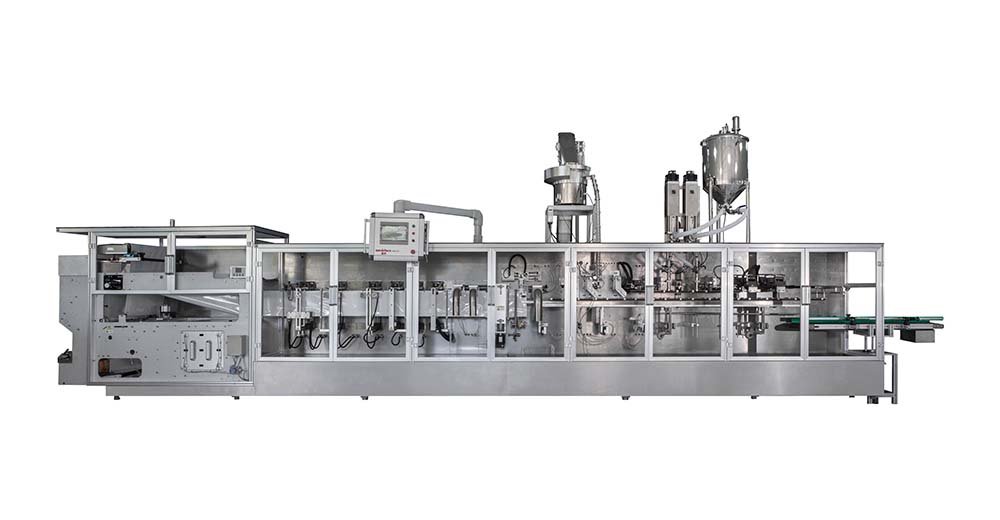
INMAYPACK SG260 premade side-spout pouch machine for mayonnaise packaging review
SG260 source configuration for compatible liquids and pastes in premade side-spout pouches. Final scope follows the approved product, pouch and test.

Direct answer

What is a mayonnaise packaging machine?

A mayonnaise packaging machine is a project-matched filling and closing system, not one universal model. It presents or forms the package, meters the validated product, protects the seal or spout area, closes the pack and discharges finished units for the agreed inspection.

The correct route changes with the formulation, product temperature, particle content, package geometry, fill range, cleaning method and required accepted output. A pump that handles one smooth mayonnaise cannot be assumed to suit every aerated, hot-filled or inclusion-containing recipe.

INMAYPACK therefore reviews the product and package together before selecting a sauce packaging machine system or a specific pouch platform.

Package-first selection

Three mayonnaise packaging machine routes to compare

Fix the approved package and product-supply route before comparing model names. Each route creates a different filling, sealing, cleaning and acceptance task.

SG260 premade side-spout pouch filling and sealing machine for mayonnaise application review
Premade pouch

Side-spout pouch filling and sealing

The documented SG260 reference receives compatible finished pouches and combines opening, metered filling, top sealing, spout insertion and cap handling. The retained source configuration identifies mayonnaise among representative smooth food products, subject to validation.

Review the SG260 reference →
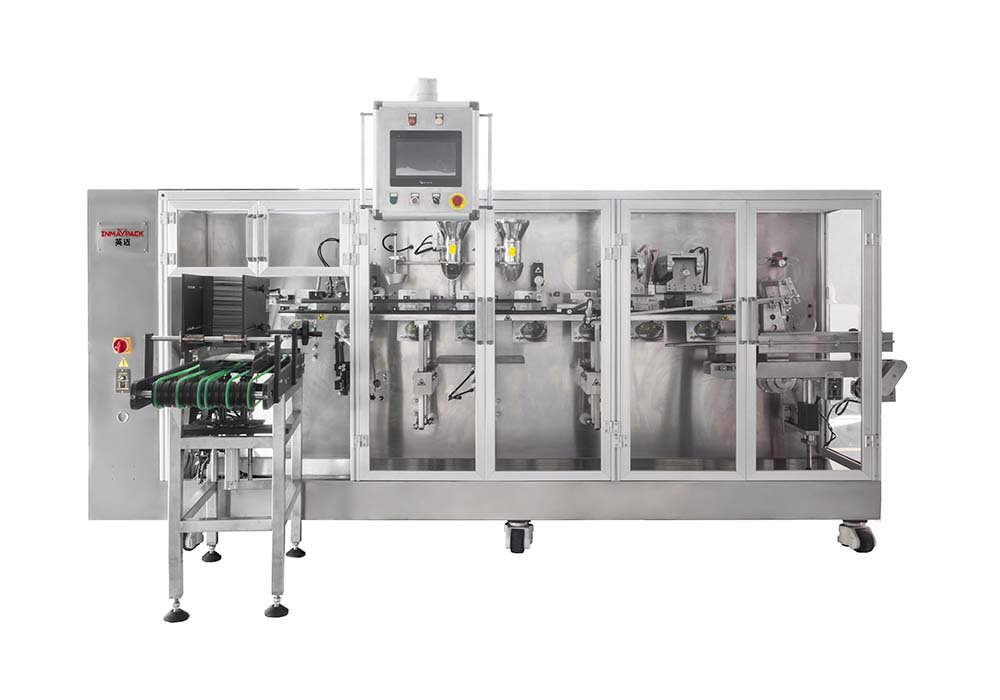
INMAYPACK roll-film liquid doypack machine route for mayonnaise pouch evaluation
Roll film

Doypack forming, filling and sealing

This route forms the stand-up pouch from approved roll stock before filling and sealing. Film structure, gusset formation, nozzle access, product settling and seal-area protection must be proven with the intended mayonnaise and pack drawing.

Compare the liquid doypack route →
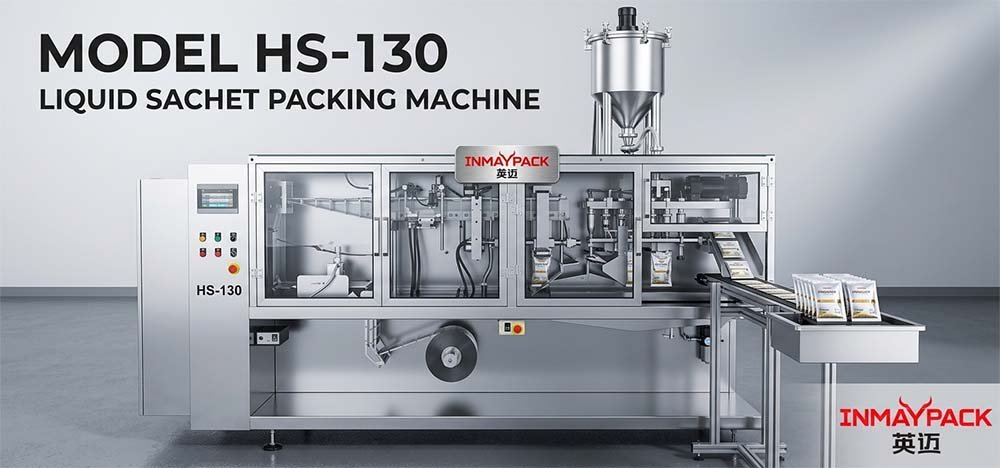
HS-130 liquid sachet machine candidate for portion mayonnaise packs
Flat sachet

Portion sachet forming and filling

Flat roll-film sachets can be evaluated for suitable portion packs. The pump, nozzle cutoff, sachet opening, fill time, seal contamination control and laminate window must be matched to the real product rather than inferred from a nominal dose.

Review the liquid sachet platform →

Product definition

The recipe determines the filling problem

“Mayonnaise” is not enough information for machine selection. Provide the production condition that the filling system must repeatedly handle.

01 · FLOW CONDITION

Temperature and consistency

State the lowest, nominal and highest filling temperature plus any hold time. Record how product consistency changes across the intended operating window.

02 · FORMULATION

Particles and inclusions

Identify herbs, vegetable pieces or other inclusions with their maximum size and concentration. A smooth-product pump reference does not establish compatibility with particulates.

03 · HANDLING

Shear, aeration and cutoff

Explain whether texture is sensitive to recirculation or shear and whether entrained air affects dosing. Nozzle closing behavior must limit strings, drips and seal-area contamination.

04 · HYGIENE

Cleaning and changeover

Define product-contact materials, cleaning method, utilities, disassembly boundary, drainability expectations and the evidence required before production release.

Filling architecture

Select the pump, tank and nozzle as one product path

The filler cannot be selected from a catalogue viscosity value alone. The upstream vessel, hose length, pump cycle, nozzle geometry, filling height and package motion all affect the result at the sealing station.

The retained SG260 source quotation documents a two-servo-rotor-pump route with a 100 L vertical tank and 316L product-contact parts for that quoted configuration. It also gives a source reference up to 5,000 cP for compatible liquids and pastes without solid particles. These are project references, not universal mayonnaise limits.

Other products or package routes may require a different pump, tank, agitation, heating, nozzle or cleaning arrangement. Submit a representative sample and the approved package before the filling architecture is fixed.

Use the pouch filling-system selection guide →
Servo-driven liquid metering pumps for mayonnaise packaging system review
Metering equipment must be matched to the product supply, pouch motion, nozzle cutoff and cleaning method.

Commercial comparison

Compare complete machine scope, not the base frame

Issue the same controlled requirement to every supplier. A lower machine total is not comparable when the pump, tank, spout handling, cleaning, inspection or trial materials differ.

Decision areaWhat to defineWhat the proposal should state
Product supplyBatch or continuous feed, temperature, refill method, pressure and buffer capacityTank, pump, piping, level control, recirculation and upstream interface boundary
FillingMinimum/nominal/maximum fill, tolerance method, inclusions, aeration and cutoff behaviorMetering principle, number of fillers, nozzle arrangement, controls and test method
PackageControlled drawing, laminate, spout/cap data, artwork and physical samplesFormat range, change parts, forming or pouch-feed route, sealing and cooling stations
CleaningAllergens, changeover sequence, utilities, disassembly and release evidenceProduct-contact materials, cleaning boundary, access, drainability and included hardware
Accepted outputConforming packs per minute, run duration, reject rules and planned interruptionsTest condition, responsibilities, acceptance calculations and retained records
Downstream scopeCoding, inspection, rejection, accumulation, cartoning and line signalsIncluded devices, interface list, ownership boundaries and final line layout

Selection risks

Five mistakes that create an unreliable mayonnaise packaging project

Most quotation gaps begin before the machine is built. Remove the ambiguity from the product, package and acceptance method while changes are still inexpensive.

01 · NAME ONLY

Sending “mayonnaise” without its process condition

A product name does not define pump duty. The supplier needs the production recipe boundary, filling temperature, consistency range, aeration, inclusions and supply pressure. If these change by SKU, list the full range and identify the most difficult condition instead of sending only the easiest sample.

02 · SAMPLE ONLY

Approving a commercial pouch without a controlled drawing

A finished sample cannot reliably define seal width, spout location, cap geometry, material structure, tolerance, artwork position or supplier revision. Send a dimensioned drawing and production-quality components. Record which converter and material lot will be used during the FAT.

03 · FRAME PRICE

Comparing base machines with different filling scope

One quotation may include the product tank, pump, hoses, nozzles, cleaning hardware, spout feeder and inspection while another excludes them. Normalize every proposal against the same requirement matrix. The useful commercial comparison is total included responsibility, not the base-frame line item.

04 · HEADLINE SPEED

Accepting cycles per minute as finished output

Machine cycles do not deduct unfilled pouches, contaminated seals, rejected caps, startup waste or stoppages. Define accepted packs per minute over an agreed run, with reject causes and planned interruptions recorded. Use the same calculation during quotation review and FAT.

05 · Treating cleaning as an accessory

Cleaning affects tank access, pump construction, hose routing, valves, drains, utilities, controls, changeover time and release evidence. State whether the project uses manual cleaning, assisted cleaning or a defined CIP route, and identify what remains the buyer’s responsibility. A general “easy to clean” claim is not an acceptance method.

Line responsibility

Define every interface around the filler

A reliable mayonnaise line is more than a pouch machine. Product delivery must keep the filler supplied without introducing unacceptable temperature drift or aeration. Package materials must arrive in the orientation and condition required by the forming or feeding system. Finished packs need a controlled route to coding, inspection, rejection and secondary packaging.

Write the ownership boundary for each interface before the order. If the buyer supplies a kitchen vessel or transfer pump, identify the connection, pressure, flow, cleaning state and low-product response. If the packaging supplier includes a tank, confirm replenishment, level control, agitation or temperature control where required, plus access for operation and maintenance.

Downstream equipment must receive a stable product flow. Define the discharge height and direction, minimum accumulation, good-pack signal, reject confirmation, emergency-stop chain and restart sequence. A fast filler that is repeatedly blocked by inspection or cartoning does not produce a fast accepted line.

Interface schedule for the URS

  • Upstream product: vessel, transfer, connection, pressure, flow, level and refill response.
  • Packaging material: roll or pouch storage, loading, splice or replenishment and low-material alarm.
  • Utilities: voltage, frequency, phase, compressed air and any water, extraction, heating or cooling.
  • Controls: permissives, speed reference, ready/run/fault signals, stop categories and data requirements.
  • Quality: coding, fill checks, seal or cap inspection, reject logic and retained records.
  • Discharge: conveyor, accumulation, orientation, cartoning handoff and nonconforming-pack route.

For a complete primary-to-secondary scope, compare the turnkey packaging line responsibility model before fixing the individual machine contract.

Factory acceptance

Turn the output claim into a measurable mayonnaise trial

Useful output is accepted finished packs under one named product and package condition. The FAT should record both conforming output and the reasons for every rejected pack.

For a broader line view, use the packaging system integration checklist to define signals, stops, accumulation and downstream ownership.

Agree the handover evidence before the trial starts. The final record should identify the recipe or settings used, test materials and lot references, measuring equipment, sample frequency, observed stops, adjustments, reject disposition and the people who witnessed acceptance. Photographs and retained packs are useful only when they are tied to the same controlled test record. If a result is conditional or a corrective action remains open, state the owner and closure method instead of treating the FAT signature as an unconditional production guarantee.

Minimum acceptance record

  • Approved product lot, temperature window and supply condition
  • Controlled pouch or sachet drawing and production material lot
  • Target fill and agreed measurement/tolerance method
  • Seal, spout weld or cap checks with reject classification
  • Start, refill, stop/restart and agreed recovery observations
  • Accepted packs, total rejects, causes and test duration
  • Cleaning/changeover steps and retained samples or records

RFQ preparation

Send these details for a configuration-specific review

  • Mayonnaise formulation description and representative sample
  • Filling temperature and consistency range
  • Maximum inclusion size and concentration, if any
  • Minimum, nominal and maximum fill target
  • Dimensioned package, spout and cap drawings
  • Laminate data and production-quality samples
  • Required accepted output and reject definition
  • Cleaning method, utilities and changeover expectations
  • Coding, inspection, rejection and cartoning scope
  • FAT duration, sample plan and required documents

Buyer questions

Mayonnaise packaging machine FAQ

Which package is best for mayonnaise?

There is no universal best format. Portion sachets, roll-film doypacks and premade spout pouches solve different serving, shelf, filling and closure tasks. Confirm the accepted package first, then select the machine route that can repeatedly fill and close it with the intended product.

Can one machine pack both mayonnaise and sauces?

Possibly, but only after both products, all required fill ranges, cleaning/changeover rules and packages are reviewed. A pump and nozzle selected for one smooth sauce may not suit a thicker, aerated or inclusion-containing product without changes.

Can the SG260 fill mayonnaise?

The retained SG260 source quotation lists mayonnaise among representative compatible food products for its quoted smooth liquid/paste route. That does not confirm every formulation. The real product, pouch, spout, cap and cleaning method must still be validated together.

How is mayonnaise kept out of the seal area?

Filling height, nozzle entry and withdrawal, cutoff behavior, pouch support, fill amount, product settling and machine timing all contribute. The trial should record contaminated seals as rejects and verify the agreed inspection method.

Is CIP included with a mayonnaise pouch machine?

Do not assume it is. The documented SG260 pump and tank are described as compatible with a CIP-configured route, but the cleaning circuit, utilities, recipes, drainability, valves, verification and supply boundary must be written into the project scope.

What controls actual mayonnaise packaging speed?

Accepted output depends on product supply, pump cycle, fill amount, pouch handling, filling access, seal or cap time, inspection, rejects and downstream flow. A supplier speed reference becomes meaningful only when the product, package and FAT method are named.

What samples should be supplied before a trial?

Provide representative product, production-quality pouches or film, spouts and caps where used, plus controlled drawings and material specifications. Confirm the trial quantity with the supplier after the test duration and changeover plan are agreed.

What should a mayonnaise machine quotation include?

It should identify the filler, product supply, package handling, contact materials, cleaning boundary, change parts, coding and inspection, utilities, line interfaces, FAT, documents, spares, delivery and site-service responsibilities. Compare quotations against the same RFQ revision.

Application review

Define the product, package and acceptance test before fixing the machine

Send your mayonnaise condition, fill range, package drawing and samples, cleaning requirements, target accepted output and FAT priorities. INMAYPACK will review the application boundary and identify the machine and filling inputs still required.

Tell Us About Your Packaging Project

Send your product and package details. INMAYPACK will review the application before recommending a machine configuration.

✓ Application reviewed before recommendation

✓ Project details stay private

✓ Configuration-specific technical reply