
Pouch packing machines
INMAYPACK pouch packing machines form bags from roll film or fill supplied pouches. Compare the package supply, dosing and closure before choosing your equipment route.
Send your product, pouch drawing, fill weight or volume and required finished-pack output.
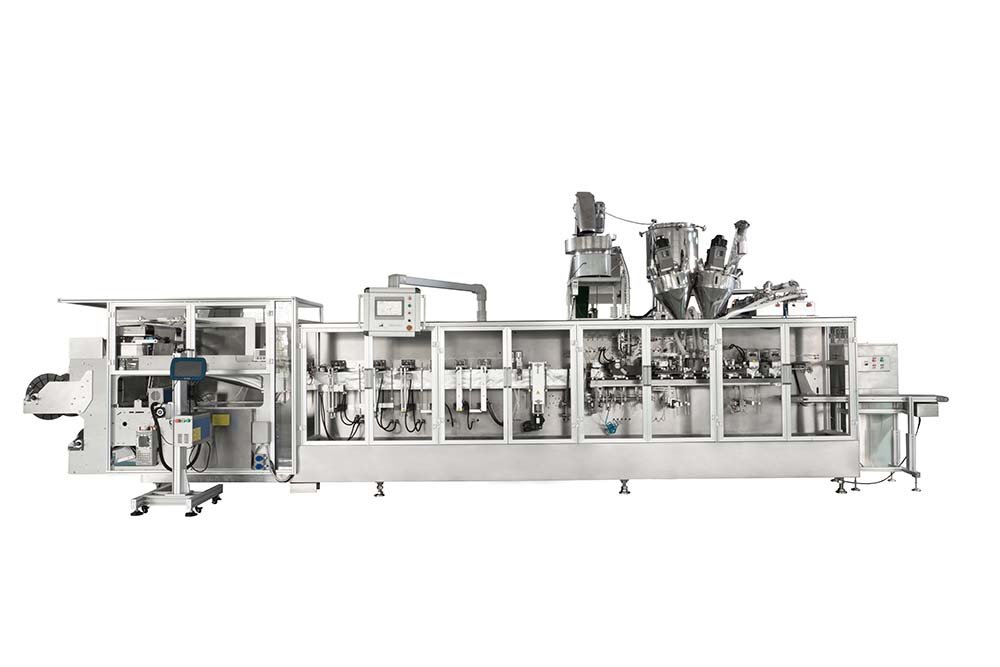
Choose the package supply
A pouch packing machine fills a flexible package and completes the selected closure. Roll-film systems also form the pouch from a continuous web; premade-pouch systems receive empty pouches that have already been manufactured.
This is the route-selection page for INMAYPACK pouch packaging equipment. Use it to compare the package architecture, then open the relevant machine or product page for the model-specific configuration.
Choose the pouch format
Package diagrams identify the format families. Match the film, pouch geometry, opening and closure to the selected model and tooling.
Stand-up pouches
Choose roll-film forming or supplied premade pouches. Specify gusset, zipper, opening and usable fill volume.
Flat sachets
Submit the 3-side or 4-side-seal layout, film structure, tear feature and finished dimensions.
Stick packs
Review the film layout and back-seal format separately from wider sachets. Select single or multiple lanes.
Spout pouches
Send the pouch, fitment and cap drawings. Identify whether the project forms a pouch or fills an existing spouted pouch.
Find your equipment route
Start with the way your empty package reaches the machine. Then choose its handling, dosing, closure and finished-pack discharge.
Roll-film pouch forming
Create the pouch from roll film and integrate the selected dosing system. Review the doypack or HFFS route for your bag shape, closure and product.
Review Doypack Machines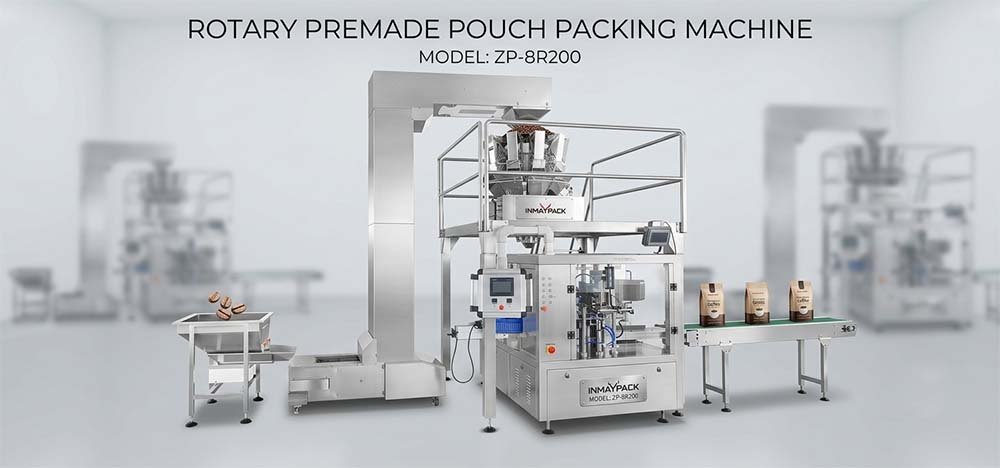
Premade pouch handling
Use supplied empty pouches and select rotary or linear handling. Match the pouch opening, grippers, filler and top-seal arrangement.
Compare Premade Pouch Machines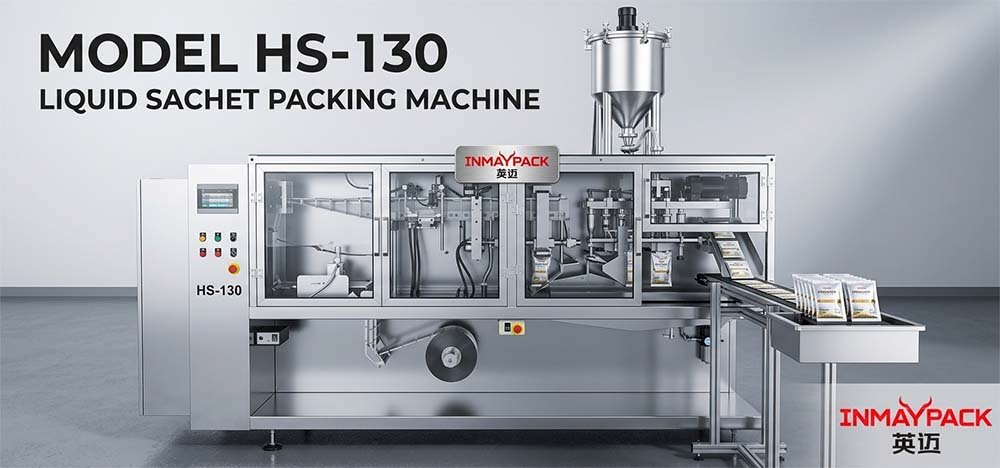
Sachets and stick packs
Review flat sachets and narrow sticks as separate formats. Match the web layout, lane count, dosing and sealing to the finished pack.
Explore Sachet & Stick Systems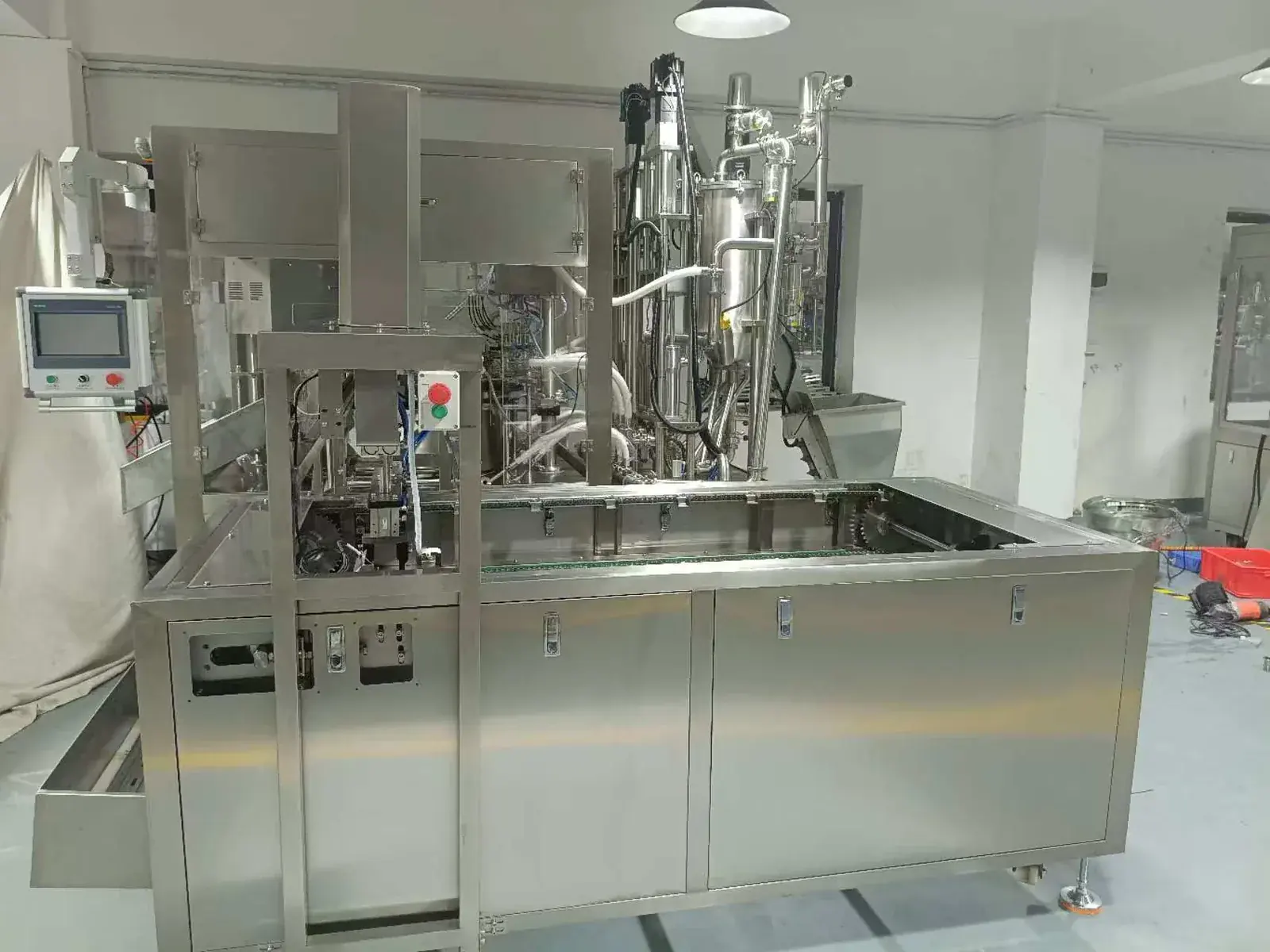
Spout filling and capping
Review filling through the existing fitment and the selected cap-handling route. Approve the neck, cap, pouch support and discharge together.
Review Spout Fill & Cap MachinesNeed horizontal forming details?
Open the horizontal form fill seal machine page to review roll-film bag forming. Use stick pack machines for narrow portion packs rather than treating every sachet model as a stick machine.
Starting a first flexible-pack line with limited working space? Compare small-business pouch packing equipment around the complete machine, filling, feeding, operator-access and collection requirements.
Compare pouch systems
On smaller screens, scroll the table horizontally to read every column.
| Equipment route | Package supply | Machine functions to specify | Package details to approve | Selection focus |
|---|---|---|---|---|
| Roll-film doypack / HFFS | Continuous roll film | Bag forming, selected dosing, sealing and discharge | Film structure, pouch geometry, selected zipper or spout functions | A forming route with approved tooling and film. |
| Premade pouch packing | Manufactured empty pouches | Pouch supply, opening, selected filling, sealing and discharge | Opening behavior, gripper area, zipper, gusset and seal window | A pouch-handling route with matched opening and filling. |
| Sachet / stick packing | Roll film for the selected layout | Single or multiple lanes, dosing and seal formation | Pack shape, web and lane layout, dose and tear feature | A portion-pack route with the required finished format. |
| Premade spout fill & cap | Empty pouches with installed fitments | Pouch presentation, filling through fitment, capping and discharge | Fitment bore, neck, cap, support, product and closure test | A fill-and-cap route with matched fitment handling. |
Specify the model, package dimensions, product and dose alongside every output target. Compare conforming finished packs using the same material, filling and operating conditions.
Define the spout process
A roll-film spout project can include bag forming and fitment insertion in the selected configuration. A premade spout filler starts with a supplied pouch that already has its fitment and needs matching filling and capping equipment.
Top-fill premade pouch equipment fills through the open pouch top and then seals it. Through-spout filling uses the installed fitment and a separate cap-handling sequence. Specify the filling opening, incoming cap condition and closure operations in the equipment schedule.
- Identify how the empty pouch reaches the machine
- Show the filling opening and fitment position
- Name who installs the fitment and applies the cap
- Approve closure integrity with actual components
Match the product and filler
Select dosing separately from package handling. The recommended arrangement follows a review of the actual product and required dose.
Powders
Provide density, flow, dust, target weight and refill conditions. Review the powder filling machine hub for dosing and pouch route choices.
Granules & pieces
Provide particle size, fragility, oil and all portion weights. Review granule packaging machines with the required weighing and feeding arrangement.
Liquids & pastes
Provide viscosity at filling temperature, foaming and any particles. Review liquid packaging machines with the filling path, cutoff and closure.
Coffee
Identify beans, ground or instant coffee, dose, pouch type and any valve or gas requirement. Open coffee packaging machines for the dedicated routes.
Food products
Send representative samples, packaging material and cleaning requirements. Open food packaging machines to compare the wider food applications.
Multiple recipes
List every recipe and dose rather than only the easiest product. Define tooling changes, cleaning, refill and the test for each planned format.
From package to finished pack
Present the package
Form it from roll film or feed a supplied pouch. Define orientation, opening and positioning.
Supply & dose product
Match the infeed and filler to product properties, all doses and the required pack volume.
Complete the closure
Specify sealing, zipper handling or capping as required by the selected package architecture.
Inspect & discharge
Name coding, checks, reject handling and the handoff to collection or secondary packing.
Connect the complete line
Product and package supply
- Product storage, feeding or transfer method
- Selected dosing module and tooling
- Roll-film unwinding or premade pouch supply
- Filling, sealing or cap-handling configuration
- Utilities, cleaning access and operator space
Finished-pack handling
- Selected date or batch coding
- Required weight or closure inspection
- Reject detection and collection
- Conveying, accumulation and packing interface
- Agreed stops, signals and test responsibility
Use turnkey packaging solutions for a coordinated line inquiry. Each module and buyer-supplied connection should appear in the equipment list and layout.
Agree the acceptance run
Trial inputs
Name the product batch, dose, film or pouch supplier and production-intent components.
Finished-pack checks
Agree the dose, seal or cap, appearance, code and package-integrity checks for the selected route.
Production events
Include refill, stops, restarts and the format or recipe changes that matter to your operation.
Accepted output
Record conforming packs, rejects, run time and the agreed evidence at the required conditions.
Build the quotation scope
Price follows the machine architecture, selected dosing, package tooling, inspection and line scope. Submit one brief so proposals can be compared on the same basis.
Machine & tooling
Name the model, package supply method, approved sizes, closure functions and all change parts.
Product & output
Include representative samples, every dose, feeding needs and the accepted finished-pack requirement.
Options & delivery scope
List coding, inspection, connected equipment, destination, utilities, installation and training requirements.
On smaller screens, scroll the table horizontally to read every column.
| Project item | State in the quotation | Agree for the project |
|---|---|---|
| Machine and format parts | Selected model, pouch route, tooling, closure modules and change parts | Package drawings, samples, SKU combinations and output conditions |
| Product feed and dosing | Filler, product transfer, hopper, contact materials and cleaning access | Product properties, operating temperature, dose limits and replenishment |
| Line and site interfaces | Coding, inspection, rejection, discharge, signals and supplied modules | Buyer-supplied equipment, layout, utilities and connection responsibilities |
| Acceptance and handover | FAT scope, drawings, manuals, training, service, spares and exclusions | Test materials, run conditions, retained records and deviation closure |
Send these details with your inquiry
Send product properties and samples; all target doses; pouch drawings and material; package supply; closure; required output; format changes; inspection; utilities; destination; and connected equipment.
Pouch packing questions
What is a pouch packing machine?
It fills a flexible package and completes the selected closure. Roll-film equipment also forms the pouch; premade-pouch equipment handles supplied empty bags before filling and sealing or capping.
What is the difference between roll-film and premade-pouch systems?
Roll-film systems form packages from a continuous web. Premade systems receive manufactured empty pouches. The choice changes the package-supply method, handling, tooling and functions included in the proposal.
How do I choose the right pouch machine route?
Start with the finished pack, product and dose. Identify whether the package arrives as film or a manufactured pouch, then review handling, dosing, closure, accepted output and connected equipment.
Can I use stand-up and zipper pouches?
Submit the actual pouch or film drawing, gusset, zipper and opening details. Stand-up and zipper functions depend on the selected forming or premade-handling model and its approved tooling.
Are sachets and stick packs the same machine format?
Sachets and stick packs use different package shapes and seal layouts. Match the pack drawing, web layout, lane configuration, dose and filler to a dedicated machine format.
Does a spout pouch machine always install the spout?
Spout installation is a separate configuration choice. Roll-film equipment can include fitment insertion; premade spout fillers receive pouches with the fitment already installed. The quotation identifies forming, insertion, filling and capping responsibilities.
Does every side-spout pouch machine fill through the spout?
The selected filling sequence depends on the pouch. Top-fill equipment fills through the open top and seals it; through-spout equipment fills via the fitment and applies the cap. State the incoming pouch and cap condition in the specification.
Which fillers can be reviewed for different products?
Review auger-based or other suitable powder dosing, selected weighing and feeding for granules, or an appropriate liquid and paste filling arrangement. Approve the actual filler with product samples and the required dose.
What pouch sizes and speeds are available?
Pouch dimensions and output are specified by model, tooling, dose and operating conditions. Review the selected machine page and submit your package drawing, product sample and required finished-pack output for a matched configuration.
Can one system run several products or pouch formats?
Request a review of every recipe and format. The equipment list should state approved combinations, change parts, setup, cleaning requirements and the test for each planned configuration.
Can the pouch machine connect to a complete line?
Review product transfer, coding, inspection, conveying, collection and secondary packing as a defined line scope. Agree supplied modules, buyer-supplied services, control interfaces and acceptance responsibility.
What do I need for a current pouch packing machine price?
Send product samples or properties, all doses, pouch drawings and material, package-supply method, closure, required output, changes, selected options, utilities and destination.
Discuss your pouch project
INMAYPACK can review your package route, dosing, closure and line scope. Start with the finished-pack requirement for a useful equipment recommendation.