
Cosmetic Packaging Machine for Sachets and Pouches
Configure forming, filling, sealing and pack handling around the actual shampoo, lotion, cream, gel or liquid-soap product—not around a catalog speed alone.
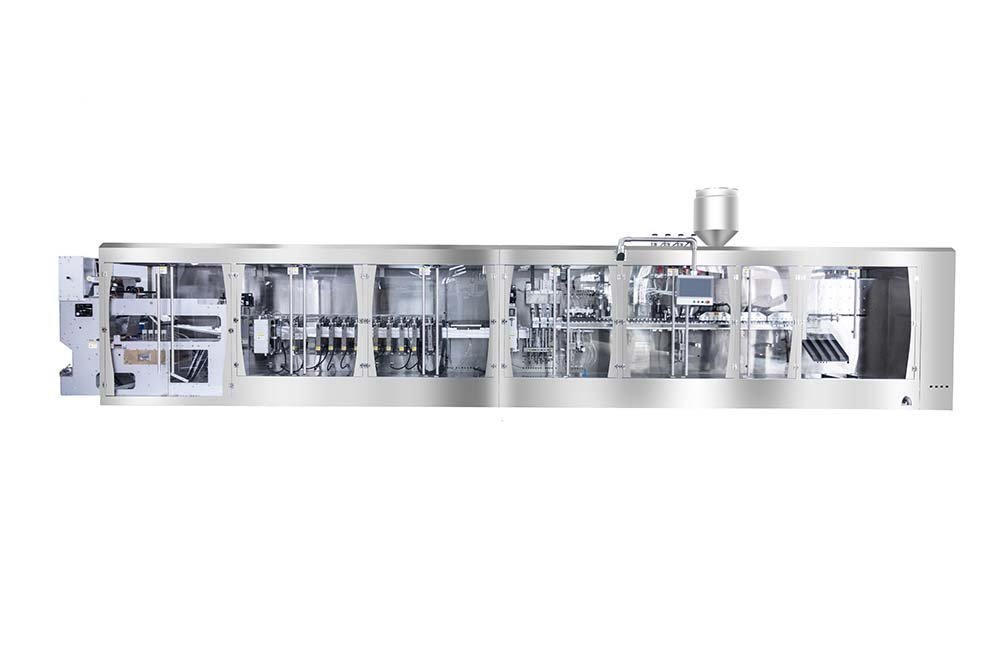
Start with the product and finished pack
“Cosmetic” is a market label, not a filling specification. Two creams can differ in viscosity, aeration, temperature sensitivity, stringing and cleaning behavior. Those differences can change the pump, hopper, nozzle, fill motion, product path and changeover method.
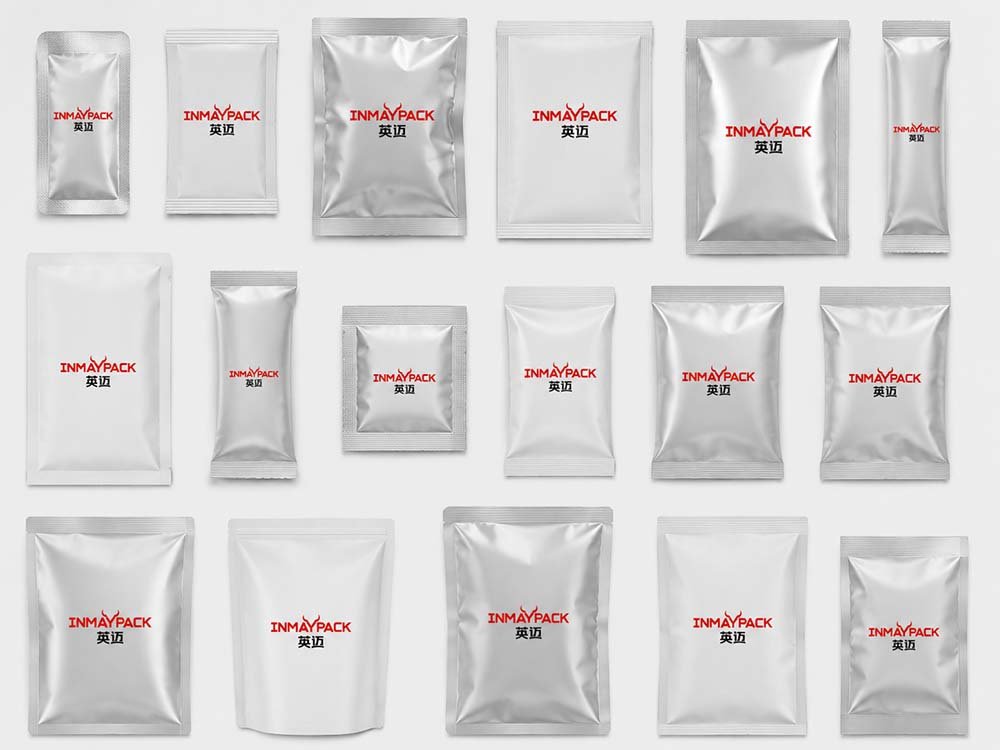
The package creates a second decision. A sample sachet made from roll film, a roll-film stand-up pouch, a spouted refill pack and a supplied premade pouch do not use the same handling architecture. The most useful quotation fixes both the product condition and the accepted package before comparing output.
Choose the package architecture before the model
Roll-film flat sachets
Suitable for samples and small flexible packs when forming, dosing, sealing and cutting should occur in one line. Review the liquid sachet packing machine route.
Roll-film stand-up pouches
A doypack route combines pouch forming with filling and sealing. The film, opening geometry, product path and seal window must be reviewed together.
Spouted refill pouches
Spout feeding, welding or insertion, controlled filling, cap presentation and torque become part of the same acceptance sequence. Compare the spout pouch filling machine route.
Supplied premade pouches
Use this route when the approved finished pouch arrives ready for opening, filling and top sealing. Confirm pouch consistency and opening access with production samples.
Shaped flexible packs
Custom contours can change usable volume, die-cut tooling, opening access and sealing geometry. Treat the controlled drawing as a machine input.
Powder cosmetic products
Dry powders require an auger or another project-matched dosing route, dust control and seal protection. Compare them separately in the powder filling machine guide.
Define the variables that change filling and sealing
| Project input | What to confirm | Machine decision affected |
|---|---|---|
| Flow behavior | Free-flowing, viscous, stringy, aerated, foaming or particle-bearing | Pump principle, product path, nozzle, cutoff and fill motion |
| Operating condition | Temperature during feeding and filling; acceptable hold time; restart behavior | Hopper arrangement, product supply and repeatability of the test |
| Target fill | Nominal dose, allowable variation and how finished packs will be checked | Metering architecture and FAT sampling method |
| Seal exposure | Splash, drip, stringing, foam or product residue near the sealing surface | Nozzle position, fill profile, cutoff and seal-area controls |
| Cleaning and changeover | Products, recipes, batch sequence, cleaning method and required access | Contact-path layout, removable parts and changeover responsibilities |
| Package | Drawing, film structure, pouch source, closure, opening feature and artwork registration | Machine family, tooling, forming, opening and sealing arrangement |
Control every handoff from product supply to accepted pack
Product supply
Define how product reaches the machine, the operating temperature, the refill method and the allowed hold condition.
Metering
Select and trial the filling principle with the real product instead of assuming that one pump fits every cosmetic formula.
Pack forming or opening
Control roll-film forming or premade-pouch pickup, presentation and opening using approved material samples.
Clean filling
Coordinate nozzle access, fill motion and cutoff so the product reaches the package without contaminating the seal area.
Seal and closure
Establish the usable sealing window and, for spouted packs, the spout and cap sequence required by the project.
Inspection and discharge
Agree the visible checks, reject conditions, coding, finished-pack handling and evidence recorded during acceptance.
Use a sachet route when the sample pack is the product
A cosmetic sample sachet is not only a small dose. Its opening behavior, artwork registration, edge quality, seal appearance and product evacuation can affect the consumer experience. The trial should therefore use the intended film and pack geometry, not only a water test in an approximate bag.
For 3-side and 4-side seal decisions, compare the sachet format and machine selection guide. When the product is liquid or paste-like, review how the filler, nozzle and sealing sequence protect the final seal.
Do not separate filling trials from seal acceptance
Use the stand-up pouch seal integrity guide to define evidence rather than judging a seal from appearance alone.
Compare suppliers on the same project scope
| Scope group | Define before price comparison | Evidence to request |
|---|---|---|
| Product preparation | Supply condition, temperature control, mixing or agitation, product transfer and replenishment | Process boundary and responsibility list |
| Primary machine | Roll film or premade pouch, package drawing, closure, lane or station architecture | Configuration drawing and machine-scope statement |
| Filling system | Metering principle, hopper, pump, nozzle, product-contact path and cleaning access | Product trial with recorded setup |
| Quality controls | Seal checks, code, reject conditions, detection and inspection interfaces | Agreed test method and retained results |
| Downstream | Discharge, accumulation, counting, cartoning or case-packing interface | Interface list and line-layout boundary |
| Delivery and support | Documents, training, spares, installation support and acceptance responsibilities | Issued quotation and handover list |
For a full line boundary, use the turnkey packaging solutions page before comparing quotations.
Accept a defined pack—not an empty-cycle claim
Freeze the test basis
Record the product batch or approved equivalent, operating condition, packaging material, package drawing and machine configuration.
Define accepted output
Agree how output is counted, the sustained test duration, permitted stops, reject rules and acceptable finished packs.
Record the evidence
Retain setup values, samples, visible checks, fault behavior and video or test records required by the issued project scope.
A useful FAT also covers starts, stops, product replenishment and planned changeover work—not only a short steady run. Use the pouch machine FAT checklist to structure the acceptance discussion.
Cosmetic packaging machine FAQ
Can one machine pack shampoo, lotion, cream and gel?
Possibly, but only after the formula range, operating temperature, product path, pump, nozzle, cleaning method and package are reviewed together. A machine family may support several products while still requiring different filler settings, contact parts or change parts.
Should I choose roll film or premade pouches?
Choose from the approved package and business process. Roll film integrates forming with filling and sealing. Premade pouches shift pouch manufacture upstream and require reliable pickup, opening and presentation. Compare film or pouch cost, flexibility, changeover, appearance and accepted output on the same basis.
What should I send before requesting a quotation?
Send the product name and representative sample, operating condition, target fill, package type and dimensions, film or pouch samples, required closure, target output, available utilities, downstream scope and acceptance expectations.
How is filling accuracy confirmed?
Accuracy must be tied to the selected filling system, real product, target dose, test method, sample size and operating condition. Do not transfer an accuracy figure from another pump or product into the project.
Can the machine make shaped or spouted cosmetic pouches?
INMAYPACK offers relevant flexible-pack routes, but the controlled pouch drawing, tooling, opening access, spout or cap system and acceptance method must be reviewed before the configuration is approved.
Does this page cover bottle, jar or tube filling?
No. This page covers flexible sachet and pouch systems. A project based on rigid bottles, jars, tubes or aerosols needs a different equipment scope.
Related packaging routes and technical guides
Liquid packaging machines
Compare sachet, doypack, spout-pouch and supplied-pouch routes by product behavior and package.
Liquid doypack systems
Review roll-film stand-up pouch forming, filling and sealing for compatible liquid and paste products.
Premade pouch filling and sealing
Use supplied finished pouches with project-matched opening, filling and sealing.
Shaped doypack packaging
Define the contour, die-cut tooling, usable volume and opening access before selecting a system.
How to choose a pouch filler
Match the product behavior, dose, cutoff and cleaning requirements to the filling architecture.
Service and project support
Review the documentation, testing, training and post-delivery responsibilities in the issued scope.
Send the product and pack that the line must actually run
Share the product sample, operating condition, target dose, package drawing or sample, output target and required line boundary. INMAYPACK can then review the flexible sachet or pouch route against one defined acceptance basis.