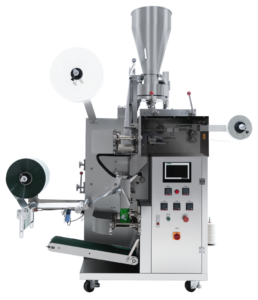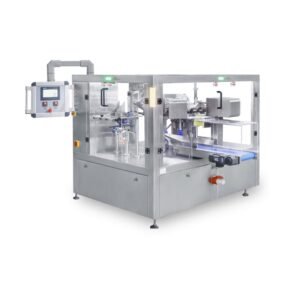
For single-serve edible oil, compare a narrow stick pack with a flat sachet using the actual oil, target dose, film and finished-pack requirements. The right choice depends on filling cutoff, seal cleanliness, opening and dispensing—not on package shape alone.
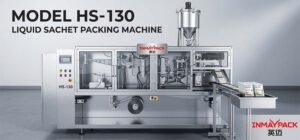
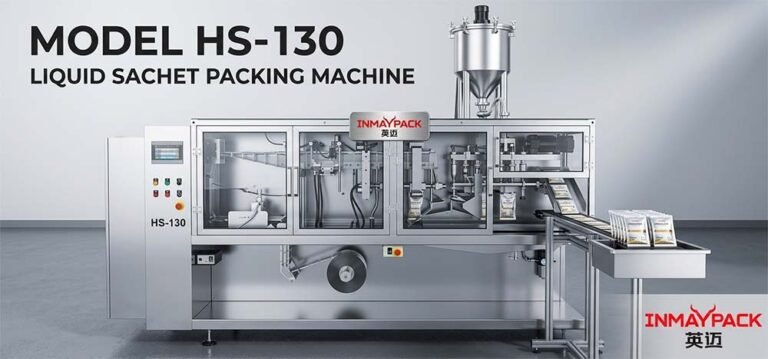
Olive oil and other edible oils can be packed in small flexible portions, but different products and distribution conditions require different evaluations. Define the product, its contact materials and acceptance tests before selecting a package or a machine. Review the stick pack machine range and the liquid flat-sachet route as starting points for an equipment discussion.
This is a buyer's selection framework, not an INMAYPACK edible-oil trial or a promise that a specific oil is compatible with a particular model. The actual product, film, package and proposed configuration require review and agreed testing.
Compare a stick pack and a flat sachet for the same oil
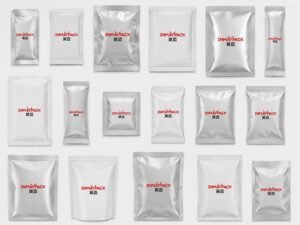
A stick pack is typically a narrow single portion; a flat sachet has a different outline and can use a different sealing arrangement. The customer's opening and dispensing needs, approved artwork, production film and selected machine determine the detailed geometry. Do not assume the same machine tooling can make both formats.
Use the same product, dose and acceptance basis when comparing routes. On small screens, scroll horizontally; keyboard users can focus the table and use arrow keys.
| Question | Stick pack | Flat sachet |
|---|---|---|
| Opening and use | Review how the narrow pack tears, pours and handles residue. | Review tear location, pouch width, pouring behavior and handling. |
| Filling access | Check nozzle access, timing and cutoff in the proposed narrow format. | Check the proposed nozzle, opening or filling station and cutoff. |
| Film and sealing | Define the actual longitudinal and transverse sealing arrangement and artwork. | Define the actual flat-pack sealing layout and artwork. |
| Output and scope | Compare lane configuration, counting and downstream handling if proposed. | Compare forming, filling, sealing, cutting and downstream handling. |
| Evidence | Use representative oil and film; retain individual fill, sealing, opening, reject and accepted-output records. | |
Neither format guarantees lower cost or longer product life. Ask the packaging supplier and machine supplier to review the complete pack drawing, including seal area and opening feature, before treating either quotation as comparable.
Define the oil before choosing the filling system
Provide the oil name and grade, ingredients or additives, intended filling condition and representative samples. State whether the product contains herbs or particles, whether it is a blended dressing, and how it will be held and supplied. An olive oil, flavored oil and emulsion can behave differently even when their desired pack size is similar.
- Flow and temperature
- Describe the product condition at storage, transfer and filling. Ask how changes across the agreed operating range will be considered.
- Product contact
- Provide the product owner's contact-material, cleaning and allergen requirements. Confirm the proposed contact path and documents for the actual project.
- Feed and refill
- Specify the supply vessel, transfer method, refill responsibility and any product stability requirement before the filler.
- Product changes
- List grades or flavors, sequencing, cleaning, residual product and verification before restarting production.
If the formulation needs mixing, heating or other upstream treatment, identify the requirement and who supplies it. Such capabilities must be explicitly reviewed in the project scope; a packaging-machine page does not establish them.
Prepare the range that the machine must cover
List each priority oil or formulation, the portion sizes, package format and expected sequence of production. Identify the samples that represent the most demanding conditions for flow, particles, cleaning and packaging. When several products share a machine, agree which will be tested first and how the remaining products will be reviewed; one successful sample does not qualify every product.
Describe how the oil arrives at the site, how long it will be held before filling, and whether it is transferred directly or through a separate tank. The product owner should provide the applicable handling requirements. Record any open questions about contact materials, allergen carryover or cleaning before suppliers choose a product path.
Control filling, nozzle cutoff and the seal area
Compare proposed metering systems using the oil, portion size and required finished-pack results. Ask the supplier to identify the pump, valves, nozzle and relevant interfaces, and how the dose is checked during refill, stop and restart. The piston versus rotary pump guide explains the equipment questions without prescribing a pump for every oil.
Look for residual droplets, oil on the forming or seal area, incomplete discharge and splash at the target operating condition. Define which defects make a pack unacceptable and how those packs are removed. Individual pack weights, seal observations and the number of rejected packs should be connected to the same test period.
A passing average does not establish that each sampled portion meets the agreed acceptance basis. Agree the tare and net-content method, sampling frequency, measurement equipment and applicable market requirements with the responsible quality team.
Define film and product-quality requirements
The International Olive Council advises protecting olive oil from excessive heat, air and light during storage. The product owner and packaging supplier should translate the relevant quality needs into requirements for the actual oil, film, distribution and storage conditions.
Review food-contact documentation, oil compatibility, sealant, light and oxygen protection, print placement, tear feature and the intended distribution environment. Agree the evidence and validation responsibility with the packaging supplier and product owner. A film description, a barrier claim or a machine name alone does not establish the finished product's shelf life.
If the project requires gas flushing or another protective process, specify the objective, measurement, supply and acceptance method. Do not assume that a machine includes such a system or that one setting guarantees a product result.
Connect the film drawing to machine and product approval
Ask the film supplier to identify the approved structure, roll and print information, sealing surfaces, contact documentation and storage instructions. Give the machine supplier the same revision, artwork repeat, target package size and opening requirements. A sample trial on a different material can inform the discussion but should be labelled as a substitute in the report.
Document who approves the final film, who confirms forming and sealing behavior, and who validates the product through its intended distribution and storage. If the film or artwork changes later, agree whether the change requires another machine or product check.
Inspect the finished portion and its opening
Approve a drawing that identifies film structure, fill location, seal layout, code, cut and tear feature. Examine representative filled packs for the agreed net content, seal-area cleanliness, appearance, code position and opening. Choose a dispensing check that represents how the package is intended to be used.
Opening a clean empty film sample is useful for an initial discussion, but the filled pack, oil on external surfaces and the actual cut can change handling. Use the easy-open sachet guide to connect the opening requirement with the approved material and seal checks.
Agree how sealed packs will be inspected, sampled, stored and assessed. Any leak, transport, shelf-life or food-safety study needs a product-specific method and acceptance criteria; visual appearance cannot substitute for those requirements.
Build a representative machine trial
Agree the sample and evidence plan before production starts. When possible, use the intended oil, production film and approved pack drawing. If another product or film is used, record the substitution and the resulting limit on what the trial can prove.
- Identify the basis: oil and condition, film revision, target portion, format, nozzle, machine configuration and agreed inspection methods.
- Observe preparation: product supply, refill, access, startup and permitted adjustments.
- Measure finished packs: retain individual net-content results and note seal contamination, leakage indications, opening and dispensing observations.
- Cover operating events: normal running, refill, controlled stops and restart; record rejects and their causes.
- Reconcile output: count accepted sealed packs, rejects and elapsed time using the same definition for every proposal.
- Close open items: assign responsibility for further film, product-quality, inspection, utility or integration evidence.
For a multi-lane proposal, identify the lane where each sample was produced and review representative results across the agreed lanes. A favorable sample from one lane does not demonstrate performance across the whole range. Retain the raw records and document adjustments and deviations.
Make the test report usable after the demonstration
Record the identity and condition of the oil and film, package drawing revision, machine and filler configuration, sample count and individual measurement results. Separate the setup period from the agreed observation period and retain the total number of accepted and rejected packs, including reasons for rejection and operator adjustments.
If a seal-area contamination or fill variation appears, document the affected sample, observations, investigation and any agreed corrective action. The buyer and supplier should decide what further sample evidence is required; do not present repeated selected passing packs as a complete production result.
Prepare handover and changeover responsibilities
Before placing an order, identify who supplies the oil feed, approved film, tooling, coding, inspection, cleaning instructions and site utilities. Define the evidence required at factory and site acceptance, including whether additional products or package sizes need separate trials. Assign each unresolved point an owner and an agreed closure method.
Compare installed scope and operating consequences
Ask each supplier to state the proposed former, filler, nozzle, sealing and cutting arrangement, approved film and package range, coding, inspection and downstream collection. Include product-contact components, cleaning access, utilities, operator training and documents. Identify the equipment or work that the buyer supplies separately.
For the operating comparison, use the same schedule and product cost, then consider product loss, rejected portions, material waste, cleaning, changeover and accepted output. Use observed results and documented assumptions; an isolated speed or a component price does not establish the cost per usable portion.
Review food-contact and product-quality responsibilities with the appropriate material and product owners. No machine selection alone establishes a legal claim, product stability or shelf life.
Buyer questions about edible oil stick packs and sachets
Can one machine make both a stick and a flat sachet?
Do not assume so. Confirm the machine architecture, tooling, film, fill access and approved dimensions for both formats in the proposal.
Is one pump suitable for every edible oil?
No. Review the actual oil, filling condition, portion, cleaning and contact requirements. Any proposed pump and nozzle must be evaluated against the project.
Does a barrier film guarantee shelf life?
No. Film is one part of a product-package system. The product owner and qualified partners must validate the relevant formulation, material, process and storage conditions.
Should every oil stick use gas flushing?
Not automatically. Define the product-quality objective and ask whether the proposed system includes the required gas supply, controls, measurement and acceptance method.
What should an oil packaging trial include?
Use representative oil and film where possible. Agree the individual net-weight method, seal and opening checks, operating events, rejected packs and accepted-output definition before the trial.
Can lubricant oil use the same food project plan?
Industrial and edible products need their own contact, cleaning and application requirements. For the industrial route, consult the lubricant oil pouch packaging page.
Prepare your edible oil packaging brief
Share the oil and sample condition, target portion, stick or sachet drawing, film, desired accepted output, quality requirements and production scope. The team can review the proposed packaging route and testing needs.