Powders may bridge, aerate or settle
Record bulk-density variation and refill behavior so auger tooling, hopper geometry and agitation are chosen for the supplied blend.
Packaging systems configured around your application Defined project scope

Choose a spice filling and packaging route by particle size, flow, dust, oil content, recipe segregation, dose and finished pack—not by an empty-cycle speed alone.
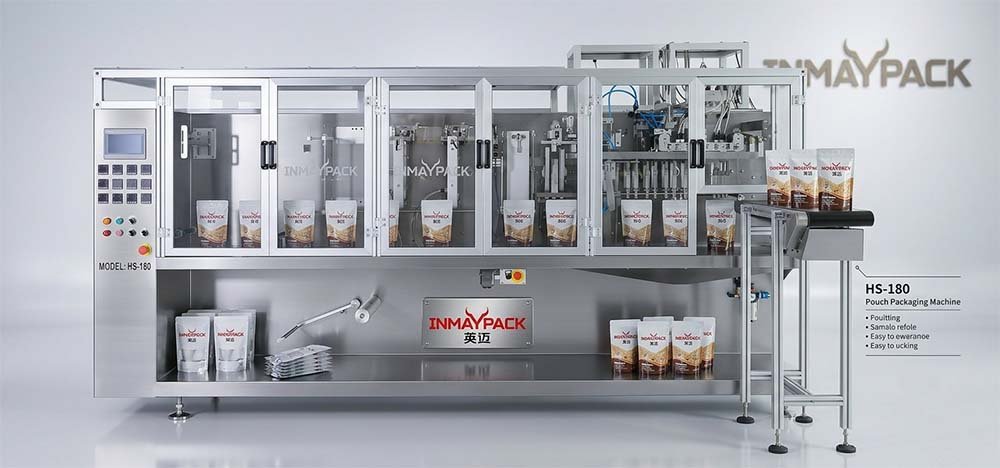
Fine pepper powder, oily chili blends, coarse herbs and free-flowing granules do not behave the same. First confirm the real product, dose and package. Then select the dosing tool, product-contact design, dust or extraction boundary, and sachet or pouch platform as one accepted system.
A recipe name is not enough for equipment selection. Ask how the blend behaves after transport, refill, agitation and exposure to the production environment.
Record bulk-density variation and refill behavior so auger tooling, hopper geometry and agitation are chosen for the supplied blend.
Airborne fines and oily ingredients can reach the seal area. Extraction, cutoff control, headspace and cleaning access must be tested with the actual recipe.
Define the product-contact boundary, removable parts, cleanout method and verification standard before promising a fast flavor changeover.
These architectures solve different package-handling tasks. Compare them on the same product, dose, material and accepted-output basis.
A horizontal sachet platform can be paired with an auger filler after powder behavior, film, bag size, dust control and seal acceptance are confirmed.
Review the powder sachet machineThe machine forms a compatible pouch from film, then coordinates opening access, spice dosing, headspace and sealing in one HFFS route.
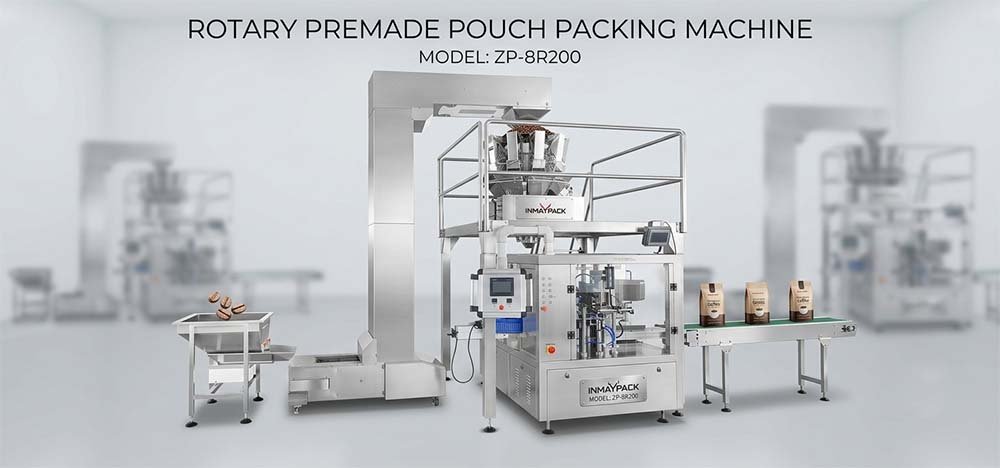
Compare roll-film Doypack systemsA premade-pouch platform must prove pickup, opening, filling and clean top sealing with the supplied pouch and selected powder filler.
Compare premade pouch systemsScope boundary: this page covers flexible sachets and pouches for powder spices, seasoning blends and project-confirmed small particulates. Jars, bottles, cans, open-mouth sacks and whole-product flow-wrap applications require a separate equipment review.
| Route | Package supply | Dosing review | Use it when | Evidence to request |
|---|---|---|---|---|
| HS-180 powder sachet route | Flat sachet formed from roll film | Servo auger candidate for project-confirmed powder | The required pack is a 3-side or 4-side sealed flat sachet. The source configuration states 40–70 bags/min, subject to product, bag and test conditions. | Powder test, dose results, film registration, seal cleanliness and accepted packs. |
| HFFS Doypack route | Stand-up pouch formed from roll film | Filler and cutoff matched to the spice | The retail format needs a project-confirmed roll-film stand-up pouch. | Controlled pouch drawing, forming, opening access, dosing and sealing evidence. |
| Premade pouch route | Finished pouches supplied to the machine | Auger or other filler selected after sample review | The pouch format, finish or material is better supplied preformed. | Pouch pickup/opening success, fill control, mouth cleanliness and top-seal results. |
Published values are not interchangeable guarantees. Final output, dose range, accuracy and machine scope must be confirmed with the representative spice and package during project testing.
Stable output depends on how the product reaches the hopper, how the package is presented, how dust is controlled and how rejected packs leave the line.
| Input | What to provide | Decision it changes |
|---|---|---|
| Representative spice | Recipe, particle distribution, supplied condition, bulk-density range, oil or moisture context and test quantity. | Feed, hopper, agitation, dosing tooling and cleaning boundary. |
| Dose and tolerance | Nominal dose, allowed range and how accepted weight will be measured. | Filler size, control method, inspection and test duration. |
| Package | Format, controlled drawing, material structure, dimensions, headspace, seal geometry and coding area. | Machine route, forming parts, pouch handling and sealing. |
| Dust and cleaning | Extraction interface, allergen or recipe segregation, product-contact boundary, cleanout method and verification. | Enclosure, access, removable parts and changeover plan. |
| Accepted output | Saleable packs per minute, test duration, allowed rejects, refill assumption and downstream state. | Commercial comparison and FAT acceptance criteria. |
| Line interfaces | Utilities, coding, checkweighing, reject handling, conveyors and secondary packaging. | Controls, layout, signals and responsibility split. |
Agree the representative spice, package, dose, utilities and line state before the run.
Include the planned product supply and hopper-refill sequence, not only isolated doses.
Check weight method, seal cleanliness, code, appearance, leaks and defined rejects.
Keep settings, duration, sample identity, results, deviations and responsibilities.
Use the packaging machine FAT checklist to define samples, responsibilities, pass criteria and evidence before testing.
Share the representative recipe, dose, package drawing, material, accepted-output basis, cleaning boundary and line interfaces. INMAYPACK will compare suitable flexible-package routes before recommending a configuration.